REVIEW · FAIRBANKS
Northern lights and Aurora Photgraphy with Warm Geodesic Dome
Book on Viator →Operated by Howling Bay Kennel · Bookable on Viator
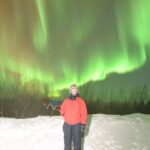
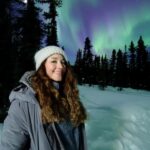
The sky goes dark, then the lights usually show up. This Fairbanks Aurora night pairs a warm geodesic dome with a real hunting strategy for clear skies, plus help getting photos right. I love the small group size and the fact that the guide actually works the plan—bonfire warmth at the homestead, then moving to better spots when the weather shifts. One thing to weigh: the dome experience can change with conditions, and Northern lights are never fully guaranteed.
Hot chocolate, coffee, and s’mores while you wait is a simple idea that works. I also like the hands-on photo support, especially if you’re new—camera settings help and encouragement from guides like Tabitha and Kevin show up again and again in people’s write-ups. The possible drawback is that communication and promised deliverables (like photos) don’t always go perfectly, so it’s smart to be flexible and check expectations up front.
If you want a cozy, low-stress Aurora evening that still gives you chances at darker, clearer sky, this is built for that mood. Just remember: you’re paying for opportunity and comfort, not a guaranteed light show.
In This Review
- Key highlights you’ll care about
- Why this Aurora night feels different in Fairbanks
- The “warm dome” plan and what it really means
- Bonfire warmth: the part you’ll remember most
- How the night works: a practical flow from stop to stop
- Stop 1: White Mountain
- Stop 2: Elliott Highway
- Stop 3: Chena River Lakes Recreation Area
- Stop 4: Chena River State Recreation Area
- Stop 5: back toward Fairbanks
- Photo help: what you can expect (and what can go wrong)
- Guides and the difference they make
- Pickup and the logistics that can save your energy
- Value check: is $200 per person fair for what you get?
- Who this tour fits best (and who should choose something else)
- What to pack so you actually enjoy the night
- Should you book this Northern Lights dome tour?
- FAQ
- What time does the tour start in Fairbanks?
- Where is the meeting point?
- Is hotel pickup included?
- How long is the experience?
- What’s included with the tour?
- Is the tour limited to a small group?
- Will there be help with Northern lights photography?
- Is service animals allowed?
- What happens if the weather is poor?
Key highlights you’ll care about
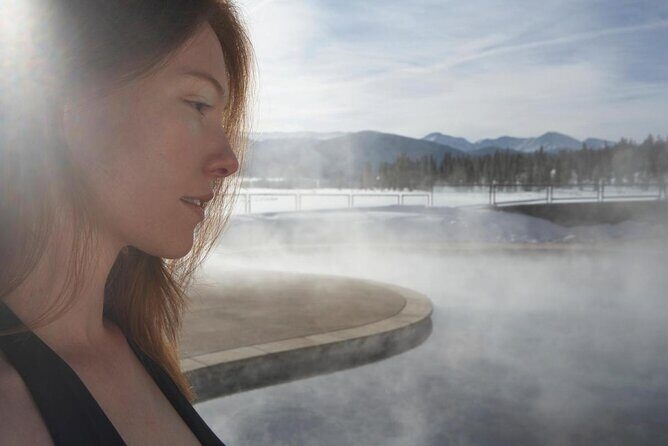
- Warm dome time, not just standing outside when the temps bite.
- Small group up to 12 people, so it feels more personal than a cattle-car night.
- Photo help on-site, including assistance with camera gear and portraits under the aurora.
- Plan changes with forecast, so you can end up driving for better viewing conditions.
- Bonfire + homestead vibe, with hot drinks and s’mores while you wait for the sky to perform.
- Hotel pickup within Fairbanks city limits, so you’re not doing nighttime logistics on your own.
Why this Aurora night feels different in Fairbanks
Fairbanks in winter is a machine for chasing the Northern lights. You’ve got real darkness, real cold, and a sky that can go from blank to spectacular with a little shift in cloud cover. This tour’s value is that it’s not only about where you stand—it’s about keeping you comfortable while the sky decides.
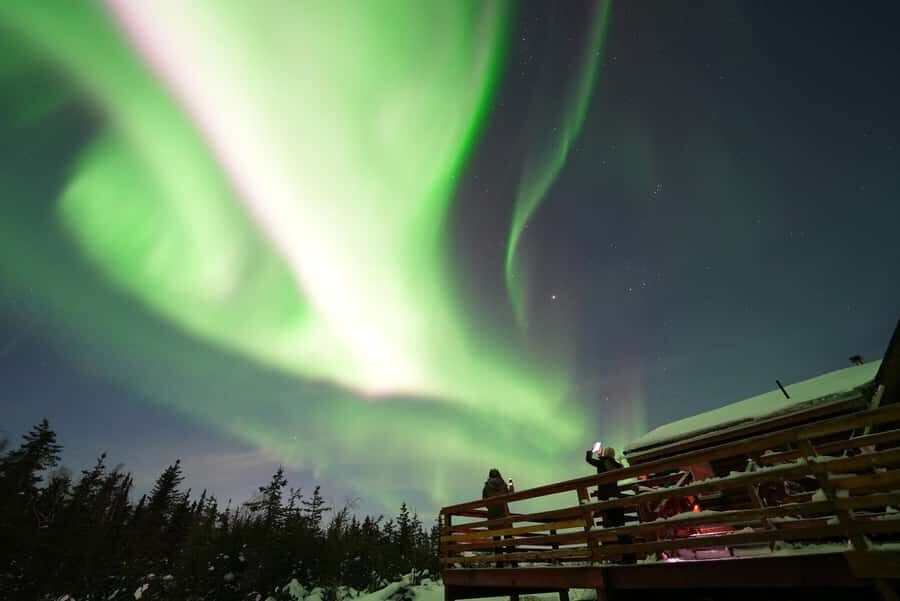
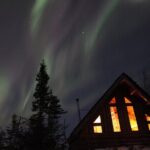
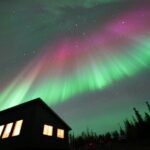
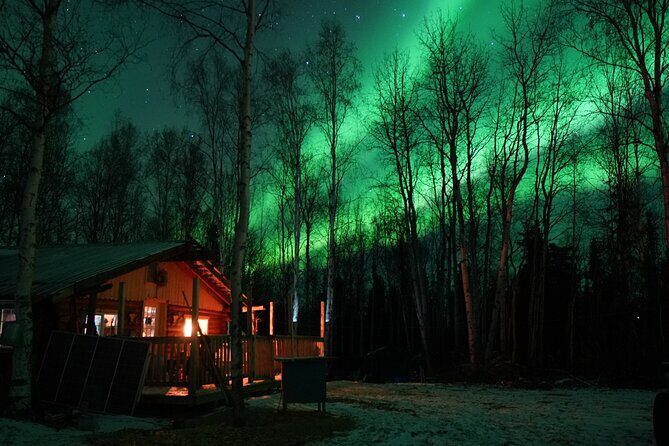
The warm geodesic dome is the big comfort lever. When the air is brutally cold, you don’t want to spend the entire night shivering at the edge of your own endurance. The dome gives you a place to wait, regroup, and keep your hands warm enough to adjust a camera without dropping it (or your hopes).
The other lever is motion. Aurora viewing is partly astronomy and partly weather management. This tour explicitly mentions traveling at times for the best results possible depending on forecasts and what’s happening in the sky.
Other Northern Lights & aurora tours we've reviewed in Fairbanks
The “warm dome” plan and what it really means
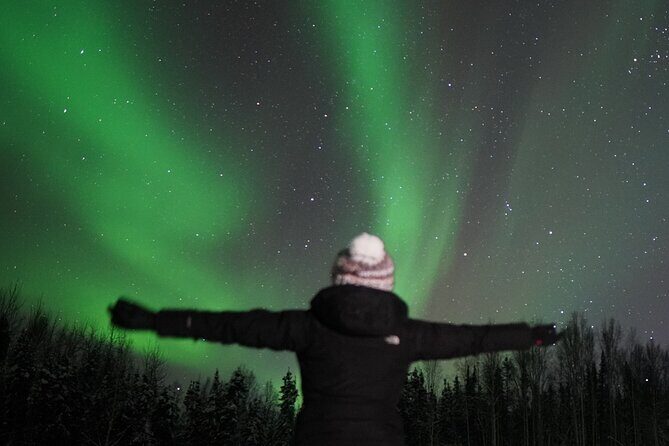
On paper, the promise is straightforward: warm up in a dome while you look for aurora, enjoy hot drinks, and get photo help. In practice, the dome experience is still the center of the night—when conditions allow.
Here’s what you should expect during dome time:
- A comfortable waiting setup so you’re not trapped outside for long stretches.
- Hot drinks like hot chocolate and coffee/tea (plus s’mores).
- A guide who can take photos of people under the lights, and/or help you set up your own camera.
Some nights go better than others. Even in the best aurora season, you can get clouds. On at least one night, the dome viewing was canceled due to lack of participants, and an alternate experience was offered (including a different outing option). That’s not “perfect,” but it does show the operator thinking in terms of options, not just running one script.
Bonfire warmth: the part you’ll remember most
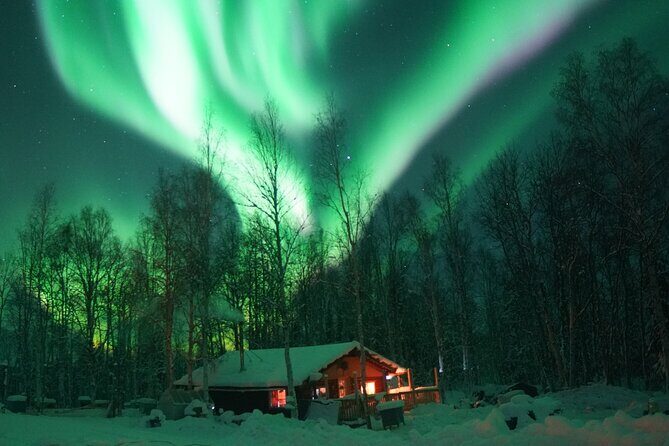
Even if you’re there for photos and the aurora, the best moment of these tours is often the human scale of it. This one leans into that with a bonfire and homestead-style waiting time.
You’ll get:
- Time around the bonfire at the homestead location
- Snacks and hot drinks during the wait
- A relaxed pace where you can watch the sky, then warm up again
That matters because aurora time is unpredictable. You might wait. You might adjust your timing. You might chase the “active area” when it appears. A warm social scene makes those waiting gaps feel like part of the experience instead of wasted hours.
How the night works: a practical flow from stop to stop
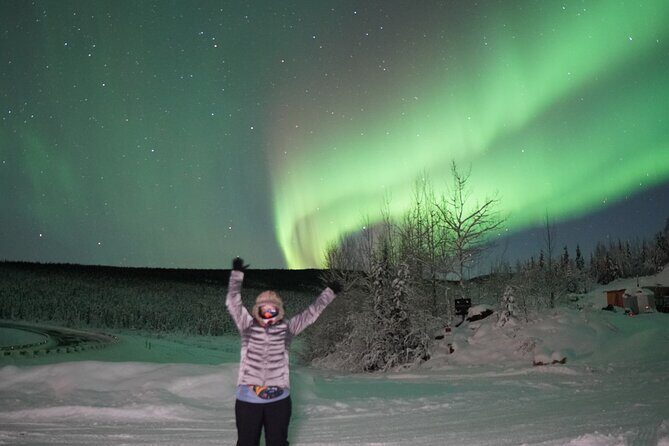
The tour runs late—starting around 10:00 pm, with an experience length listed at about 5 hours. In reality, the evening can stretch deeper into the night depending on light activity and where the guide finds clear sky. So plan for “late-night Alaska,” not early bed vibes.
Stop 1: White Mountain
This is a dark-sky-style starting point. The goal is simple: find a place with a view of the sky where clouds and light pollution are minimized as much as possible. You’ll typically use this early stretch for the first sweep—spotting any glow, checking how active the sky looks, and getting your camera ready.
What to watch for: if the aurora is weak at first, it can still build. Give yourself time here before you assume nothing is happening.
Other aurora photography tours in Fairbanks
Stop 2: Elliott Highway
This is a classic corridor for driving hunting—moving when conditions demand it. Elliott Highway is part of the strategy for reaching better viewing areas beyond central Fairbanks.
Potential downside: traveling adds more cold time to your night. The flip side is that driving can be the difference between clouds ruining your chances and a clear pocket opening up.
Stop 3: Chena River Lakes Recreation Area
This is where the tour can shift from “look and wait” to “set up and shoot.” Recreation areas around water can offer good sky access and interesting foreground, which helps with aurora photography.
Photo tip you can use: if you’re shooting with a phone, longer exposure options may help—but if the dome is warm, you might prefer waiting inside until you’re ready to shoot.
Stop 4: Chena River State Recreation Area
If conditions change, this acts like another “try again” viewing spot. The tour description makes it clear that times and locations depend on forecasted aurora activity and sky conditions.
What I like about this approach: it reduces the frustration of one-and-done viewing. Aurora nights are often about adapting faster than the clouds.
Stop 5: back toward Fairbanks
You’ll return after your viewing window. Some people note a long evening end-to-end, so treat this as a serious late-night plan.
Photo help: what you can expect (and what can go wrong)
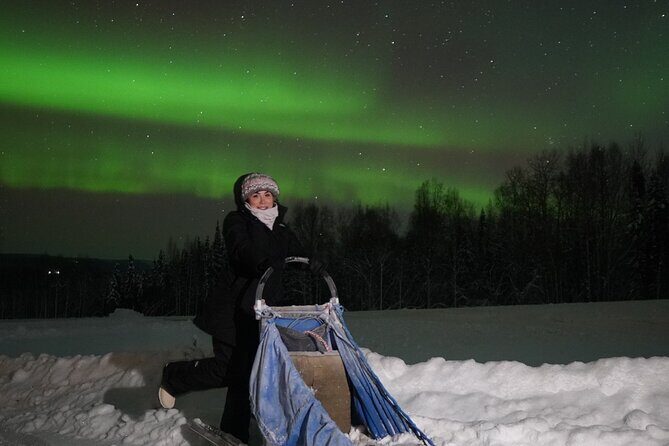
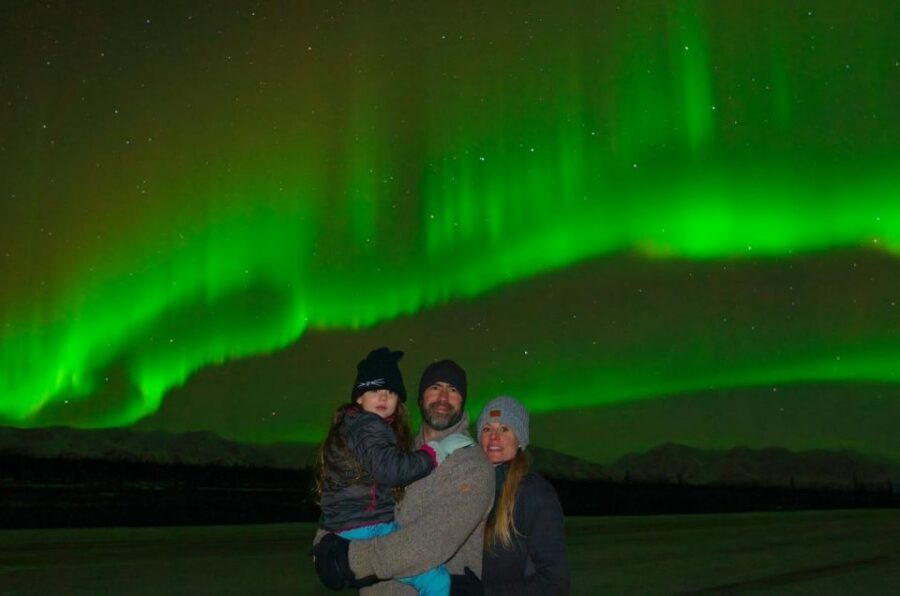
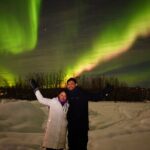
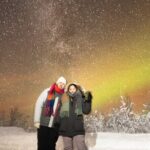
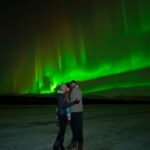
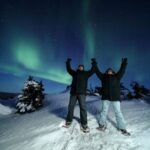
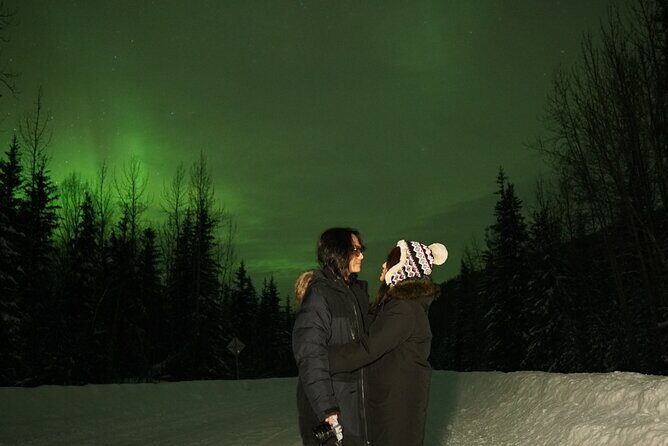
This tour isn’t just “here’s the aurora, good luck.” It specifically mentions taking pictures under the lights and assisting with camera gear so you can get better photos.
In real-world terms, you might experience:
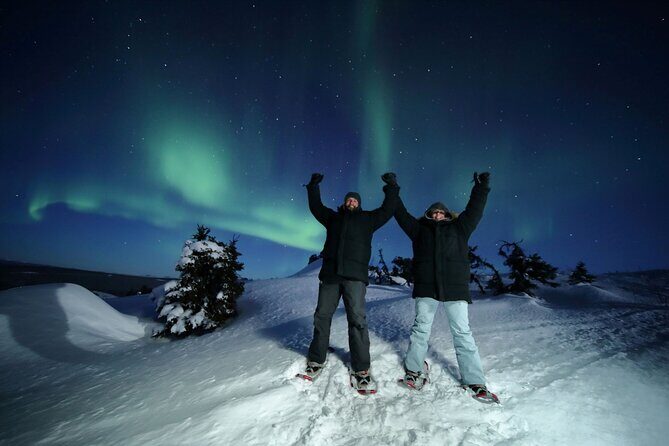
- A guide helping with camera settings and long-exposure portrait shots
- Guides taking photos for you under the lights
- Photos being shared afterward in some form
That last part is where expectations can vary. Some people report photos were included and sent (for example via a shared link or Dropbox-style delivery). Others report not receiving promised photos, even after contacting the operator.
My advice: go into the night assuming photos will happen, but if receiving a file is important to you, ask what the handoff looks like and when you should expect them.
Also, remember your own job: keep batteries warm. Even in a warm dome, the second you step outside with cold hands, your gear gets stressed fast.
Guides and the difference they make
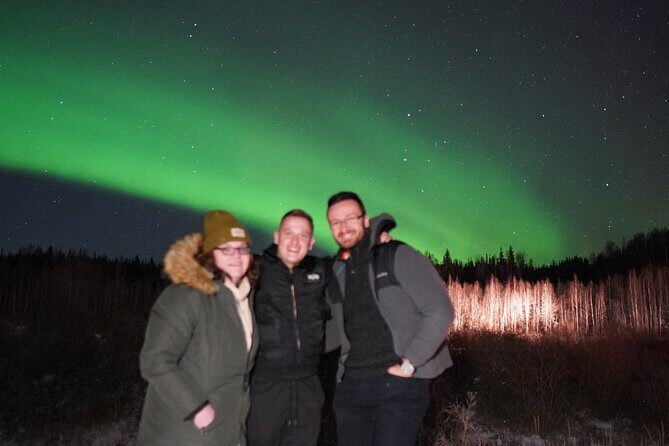
A big chunk of the experience depends on who’s driving and guiding that night. Names that show up include Tabitha and Kevin (and one guide named Cynthia appears in feedback too).
What stands out from those write-ups is the “do the work” mindset:
- Keeping things relaxed, not rushed
- Sharing local context about the lights and the area
- Moving when conditions aren’t perfect
On at least one occasion, when aurora conditions weren’t shaping up, the guide tried to maximize the chance of seeing lights by planning around weather breaks and offering alternatives. That’s the kind of effort that turns an unlucky night into a “we still got something” night.
Pickup and the logistics that can save your energy
This is a pickup-included tour from Fairbanks city locations with good access. That’s not a tiny detail. Aurora night is exhausting even when you’re comfortable. If you have to drive yourself in the dark in winter, you burn energy before the real show even starts.
Meeting point is listed at 3873 Elliott Hwy, Fairbanks, AK 99712, with the activity ending back at the meeting point. From a practical view, you want to be ready for a late return and dress like you’ll be outside a lot—even if there’s warm shelter built in.
Value check: is $200 per person fair for what you get?
At $200 per person for about five hours, you’re paying for three things that are hard to replicate on your own:
- Transportation to multiple viewing areas beyond the easiest pull-offs.
- A warm dome setup plus hot drinks and snacks to keep you functional.
- Local aurora and photography help, especially if you want better results than point-and-hope.
Is it cheaper than driving yourself? Usually yes in gas and time savings, depending on your setup. Is it more comfortable and likely to get you better sightlines than a random roadside stop? That’s the big advantage.
But here’s the balance: Northern lights aren’t guaranteed, and experiences can vary depending on skies and how smoothly things run that night. If you’re the type who needs everything to go perfectly on schedule, this is still Alaska winter—so build in flexibility.
Who this tour fits best (and who should choose something else)
This is a great fit if:
- You want comfort first (warm dome, bonfire, hot drinks) while you chase the aurora.
- You like small-group attention rather than feeling lost in a big crowd.
- You want photo help and don’t want to fight settings alone in the cold.
- You’d rather have someone manage the “where should we go now?” calls.
You might look elsewhere if:
- You need guaranteed photo delivery with zero chance of delay or mismatch.
- You’re the kind of traveler who gets upset when plans adapt to weather.
- You strongly prefer one fixed viewing location (this tour can move).
What to pack so you actually enjoy the night
Even with warmth built in, you’ll still spend time outside for the best views. Pack like you’re doing “brief, frequent cold exposure,” not one long outdoor vigil.
At minimum:
- Warm layers you can breathe in while moving
- Gloves you can use with camera controls
- A hat that covers ears
- A water plan (some people note water containers freezing, so consider bringing what you can manage)
- Camera batteries kept warm
If you’re relying on a phone camera, keep expectations realistic. A dome can help you stay comfortable, but it can’t stop the physics of exposure and cloud cover.
Should you book this Northern Lights dome tour?
If you want a cozy, guided Aurora night in Fairbanks with a warm geodesic dome, hot drinks, bonfire time, and real help with photos, I’d say it’s worth considering. The operator’s ability to adapt—driving when skies aren’t working—can turn a shaky night into a memorable one.
Book it if comfort and guidance matter more than ticking one single viewing box. Skip it if you need a strict schedule, guaranteed photo delivery, and zero flexibility. For most people, the combination of warmth + small group + aurora-focused planning makes this one of the more practical ways to do the lights.
FAQ
What time does the tour start in Fairbanks?
The tour starts at 10:00 pm.
Where is the meeting point?
The meeting point is 3873 Elliott Hwy, Fairbanks, AK 99712, USA.
Is hotel pickup included?
Yes. Pickup is offered from all Fairbanks city locations with good access.
How long is the experience?
Duration is listed as about 5 hours.
What’s included with the tour?
You’ll get coffee and/or tea, hot chocolate, and s’mores (plus hand sanitizer). Covid-19 health and safety measures are included as well.
Is the tour limited to a small group?
Yes. The maximum group size is 12 travelers.
Will there be help with Northern lights photography?
The experience includes the chance to have your picture taken under the lights, and you can get assistance with your camera gear to help you capture better photos.
Is service animals allowed?
Yes, service animals are allowed.
What happens if the weather is poor?
This tour requires good weather. If it’s canceled due to poor weather, you’ll be offered a different date or a full refund.