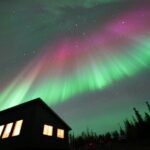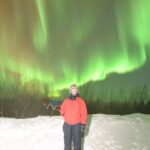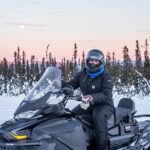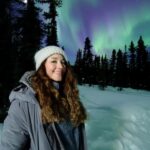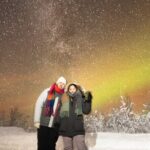
Pitch-dark Alaska turns into a science show. This Aurora Chaser Tour in Fairbanks runs late so you get darker skies outside of town, and it keeps you comfortable with coffee and tea during the northern lights watch. A guide leads the search with real Alaska know-how, and names like Ray and Rene show up often in accounts of how hard they work for results.
Still, go in with one clear expectation: weather controls everything. Cloud cover and winter road conditions can mean a less exciting night, or even a cancellation.
In This Review
- Key things to know before you go
- Late-Night Start at 10:00 pm: Making the Day Feel Like Yours
- Getting to the Pickup Point: Walmart, City Limits, and Backup Plans
- The Drive Out of Fairbanks: Watching the Campus Go by
- Outside-Town Viewing and Hot Drinks: How the Hunt Actually Works
- Your Guide in the Cold: Ray, Rene, and the Decision to Keep Moving
- Weather Reality, Road Conditions, and Your Chances of Seeing Aurora
- Group Size, Vehicle Comfort, and What You Can Hear
- What to Wear for a 5–6 Hour Night in Fairbanks
- Who This Tour Fits Best (and Who Might Prefer Different Timing)
- Should You Book Aurora Chaser Tour with Auroraquest?
- FAQ
- What time does the Aurora Chaser Tour start?
- Where does the tour meet?
- Do you offer pickup from hotels?
- How long is the tour?
- What language is the tour offered in?
- Is the northern lights viewing guaranteed?
- What happens if I cancel?
Key things to know before you go
- A 10:00 pm start that leaves your afternoon wide open for other Fairbanks adventures
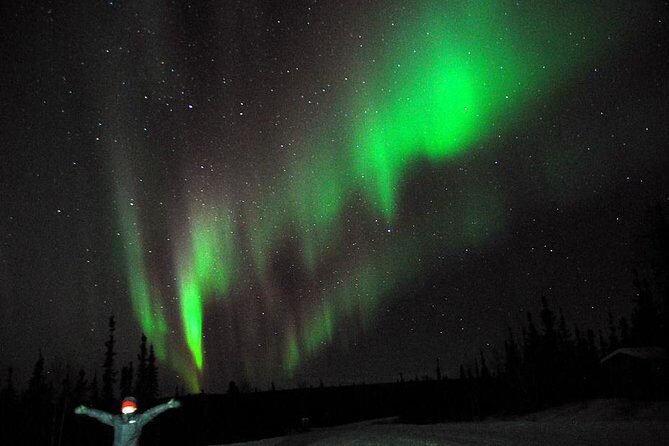
- Outside-Fairbanks viewing for darker skies and better viewing odds
- Small groups up to 10 people (average 4–6), which makes the experience feel more focused
- Coffee and tea during the watch session so you’re not freezing while you wait
- Guides who actively keep hunting across multiple viewing spots, like Ray’s mountain-side persistence
Late-Night Start at 10:00 pm: Making the Day Feel Like Yours
This tour’s timing is one of its best tricks. You start at 10:00 pm, so you do not burn your daylight on a van ride and waiting around. In Fairbanks, that matters because daytime can be used for museums, wildlife, or just getting your footing in town.
A late start also fits how aurora viewing really works. The key is darkness, and you get a full run at it without spending the whole evening tied to a schedule.
Other Northern Lights & aurora tours we've reviewed in Fairbanks
Getting to the Pickup Point: Walmart, City Limits, and Backup Plans
Pickup is offered from hotels and B & Bs within Fairbanks city limits. If you are staying outside those limits (including North Pole), the tour does not pick you up. Your safest move is to plan on meeting at the Walmart Supercenter, 537 Johansen Expy, Fairbanks, AK 99701, at 10:00 pm.
If you’re outside Fairbanks but still want to join, you can sometimes arrange a different mid-town meeting place. The tour asks for your lodging name plus email and a U.S. phone contact when booking, so they can coordinate quickly if conditions change.
Practical tip: show up early enough to park, use the restroom, and get dressed. Winter nights can turn into a scramble fast, and you do not want your group to be waiting on cold hands and zippers.
The Drive Out of Fairbanks: Watching the Campus Go by
After you meet at Walmart, you head out of town and drive by the campus on the way to the viewing area. That’s not a “tour stop” for photos, but it does signal the real goal: leaving the brighter, busier parts of Fairbanks behind.
The drive is part of the night, not filler. It’s where you get oriented, and it’s where the guide starts thinking like a hunter—what direction to go, where the sky opens up, and what spots might reduce haze and light spill.
If you’re the type who likes understanding the plan, this is your moment to pay attention and ask questions once you’re rolling and settled.
Outside-Town Viewing and Hot Drinks: How the Hunt Actually Works
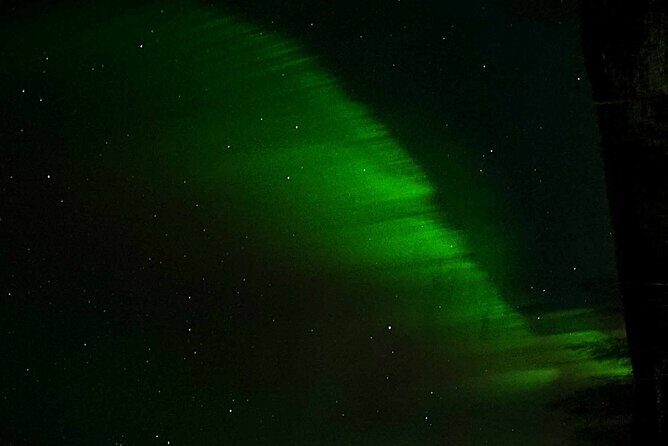
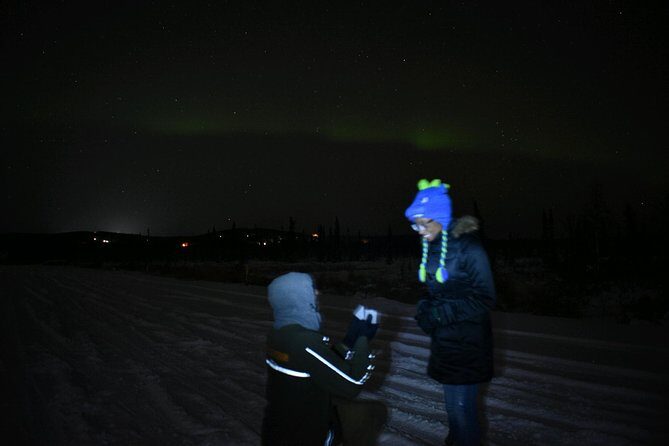
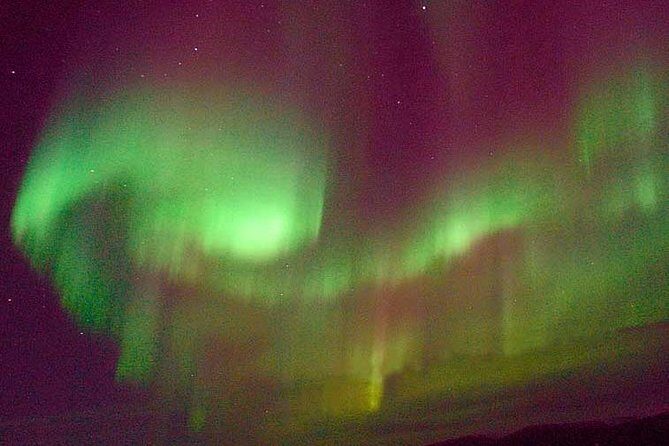
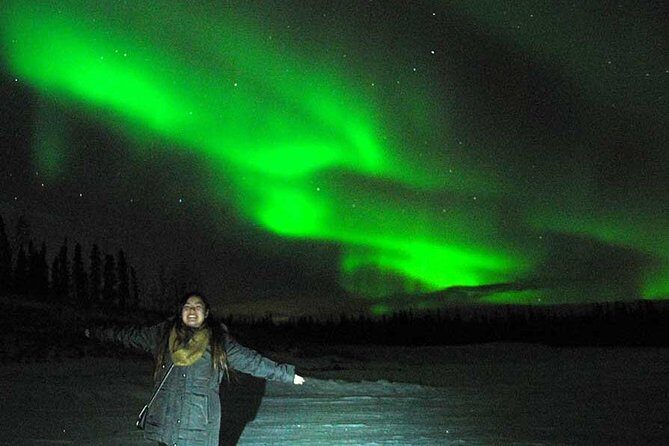
The big event is the special viewing location outside Fairbanks. This is where you wait, scan the sky, and give your eyes time to adjust to the dark. Even when aurora activity is strong, it can come in waves, not as one steady show.
You’ll be offered coffee and tea during the watch session. That’s a small detail that matters. Warm drinks can help you stay out longer, keep your hands working for phone settings or binoculars, and reduce that stiff, miserable feeling that hits after you’ve stood still for a while.
Here’s how to think about your chances without getting disappointed: auroras are not controllable. What the tour tries to control is where you’re positioned—darker sky, better viewing angles, and fewer obstacles.
Your Guide in the Cold: Ray, Rene, and the Decision to Keep Moving
This tour is guide-driven in a good way. The common theme is that the guide knows Alaska’s frontier and keeps steering you toward better odds. Names like Ray come up in accounts for being both enthusiastic and persistent—driving to multiple high-up spots when initial conditions weren’t cooperating.
Some nights have been led by guides like Rene / Rennae, with the same idea: don’t assume the first location is the only chance. The goal is to keep your night alive with a series of attempts, not to park you somewhere and hope.
That “keep moving” approach has a downside too: you may sit in the car between viewing spots. But when the alternative is a single dead-end stop, the extra driving can be the difference between seeing nothing and catching a brief burst.
My advice: dress for winter driving time, not just the viewing time. The cold can feel sharper when you’re stationary, and the vehicle stops can add up.
Weather Reality, Road Conditions, and Your Chances of Seeing Aurora
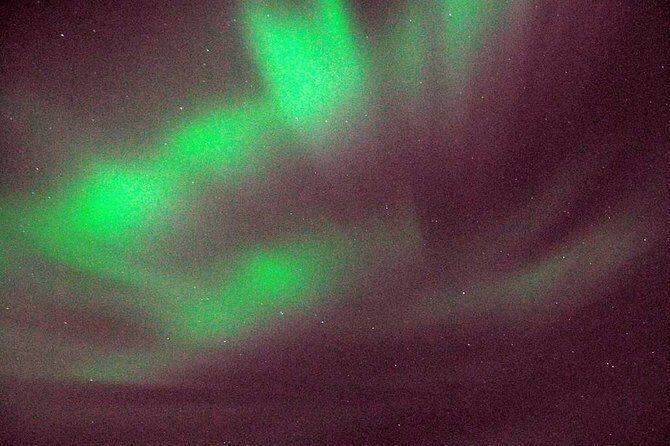
This is Alaska. Aurora viewing depends on things you can’t fix—cloud cover, visibility, and winter conditions. When the sky is blocked, even an excellent guide can’t perform a miracle.
The tour does require good weather to operate, and it also depends on road conditions. That’s why you might see a night cancelled close to pickup if conditions make it unsafe or impossible to get to the viewing spots.
And one more honest point: even when it all goes well, aurora can arrive late or in short flashes. One strong takeaway from past experiences is patience. There are nights where you have to wait, then suddenly the sky delivers.
Group Size, Vehicle Comfort, and What You Can Hear
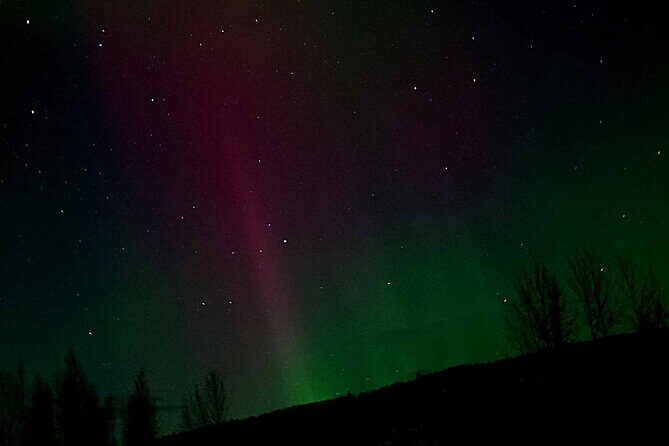
The tour caps at 10 travelers, with an average group size around 4–6. That matters more than it sounds. Smaller groups feel easier to manage in winter—less chaos stepping in and out, and more space to shift positions if someone needs a better view.
You’ll be in a vehicle designed for winter driving and remote access. Still, sit where you can see the windows comfortably. In a small SUV-style group setup, the seats nearest the side windows can make a bigger difference for skywatching than people expect.
Also, think about sound. In a cold night setting, you’ll likely spend long periods quietly watching, not talking. If you need narration every minute, you might find the pace more calm than you want. The tradeoff is that the guide keeps focus on the route, the viewing plan, and safety while driving.
What to Wear for a 5–6 Hour Night in Fairbanks
The tour runs about 5 to 6 hours, starting at 10:00 pm. That’s not a quick in-and-out. You’re dressed for a winter night that may include driving time plus standing still at a remote spot.
At minimum, plan on layered insulation, warm hat coverage, and gloves that let you operate a phone or camera. If you rely on your hands for settings, use gloves that aren’t just for warmth but for usability.
If you’re someone who gets cold easily, treat this tour like a stand-at-the-bus-stop situation, not like an indoor event. The coffee and tea help, but they don’t replace proper winter layers.
Who This Tour Fits Best (and Who Might Prefer Different Timing)
This is a great fit if you want a guided aurora experience with an active search approach. You’ll likely enjoy it most if you like the idea of getting out of town, staying out late, and being flexible about where you watch from.
It also works well for small groups and couples who want a quieter night in the car and at the viewing spot. The group size keeps things manageable, and the guide-led hunt is the point.
Who might not love it? If you need a guaranteed aurora show or you strongly prefer early-evening starts, this may feel too dependent on conditions and time of night. And if you do not want the possibility of last-minute weather changes, you should mentally plan for alternate outcomes.
Should You Book Aurora Chaser Tour with Auroraquest?
If your priority is maximizing your odds with a guide who keeps searching and a viewing location outside Fairbanks, this tour is a solid choice. The late 10:00 pm start is practical, the group size stays small, and the hot drinks are a real comfort upgrade.
I’d book it if you can handle winter uncertainty. Bring warm layers, expect patience, and understand that your best photos may be brief.
I’d skip it if you are staying outside Fairbanks city limits and can’t coordinate a meeting spot, or if you’d struggle with the idea that poor weather and road conditions can shut the night down.
FAQ
What time does the Aurora Chaser Tour start?
The tour starts at 10:00 pm.
Where does the tour meet?
The standard meeting point is Walmart Supercenter, 537 Johansen Expy, Fairbanks, AK 99701.
Do you offer pickup from hotels?
Yes. Pickup is offered from hotels and B & Bs within Fairbanks city limits. The tour does not pick up customers staying in North Pole or anywhere outside Fairbanks city limits.
How long is the tour?
The tour runs about 5 to 6 hours.
What language is the tour offered in?
It is offered in English.
Is the northern lights viewing guaranteed?
The experience requires good weather, and aurora viewing depends on conditions. If it’s canceled due to poor weather, you’ll be offered a different date or a full refund.
What happens if I cancel?
The experience is non-refundable and cannot be changed for any reason.