REVIEW · FAIRBANKS
Guided Fairbanks Snowmobile Tour
Book on Viator →Operated by Rods Alaskan Guide Service · Bookable on Viator
Cold starts. Warm gear. Fast fun.
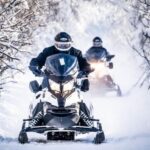
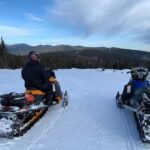
This guided snowmobile tour outside the North Pole is a simple way to get real Alaska winter driving time without needing experience. I like how the crew sets you up with heated helmets and a quick practice loop before the guided ride begins. You also get to roll past the Alaska Pipeline and into snow-covered forests, with your guide adjusting the trail to your comfort level.
The main thing to think about is that you’ll need a valid driver’s license to drive, plus you must be able to follow the safety instructions in English. And on mixed-skill groups, the pace is designed around the slowest rider.
In This Review
- Key takeaways
- First gear: what a North Pole snowmobile hour is really like
- Check-in at Rod’s: warm outer gear and the heated-helmet upgrade
- Safety briefing and practice laps: how first-timers actually get control
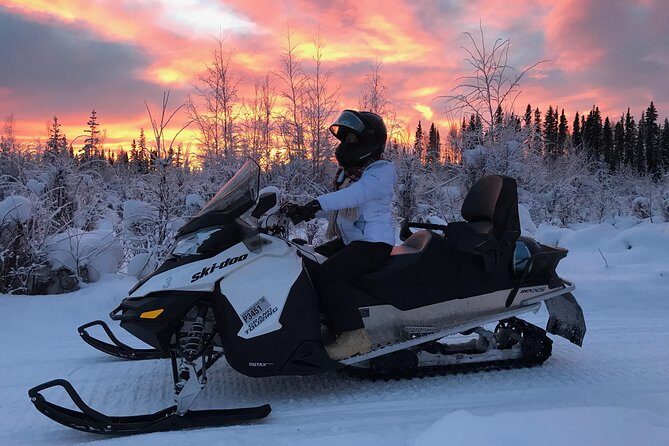
- Riding Ski Doo luxury touring snowmobiles: comfort in a cold place
- Your 1-hour route: trails picked by ability, with views that change fast
- Wildlife spotting: what you’re actually looking for (and how to help your chances)
- The pace and group setup: why mixed experience can be a good thing
- Gear warmth and photos: how you keep the memory without freezing
- Price and value: is $169 fair for a guided hour?
- When this tour might not be your best fit
- Should you book Rod’s Alaskan Guide Service snowmobiling?
- FAQ
- Do I need a driver’s license to drive?
- What age is the minimum for this tour?
- What winter gear is included?
- How long do we ride?
- What wildlife might we see?
- What if weather is poor or I need to cancel?
Key takeaways
- Heated helmets and gear help you stay comfortable enough to actually enjoy the ride
- Practice time first means first-timers can get their bearings fast
- Beginner-friendly trails are chosen based on rider ability
- Wildlife spotting focus can include moose, fox, and snowshoe hare
- Small group size (max 16) keeps the ride feeling controlled and personal
First gear: what a North Pole snowmobile hour is really like
This is one of those tours that sounds like an activity, but it actually plays like a guided winter lesson plus a thrill ride. You start near the North Pole area (not deep in some remote backcountry), and the goal is to get you out on groomed and planned trails where you can drive safely, look for wildlife, and still feel the fun of a snowmobile under you.
I also appreciate the “tour rhythm.” You’re not just thrown onto a machine and told to hold on. You check in, get outfitted, get briefed, do practice riding, then roll into the main route. That structure matters a lot in Alaska winter, where cold makes everything slower, from zippers to hand control.
Most people are comfortable riding after the practice portion, including folks who’ve never touched a snowmobile. Guides also use clear communication on the trail—small details, like the follow-distance reminders and stop routines, help you stay relaxed when the scenery opens up and you want to look around.
Other snowmobile and snowmachine tours in Fairbanks
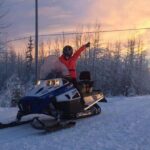
Check-in at Rod’s: warm outer gear and the heated-helmet upgrade
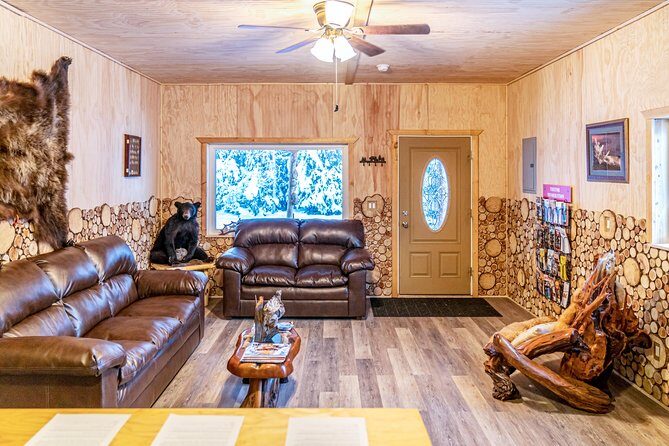
Your meeting point is Rod’s Alaskan Guide Service at 3355 Repp Rd, North Pole, AK 99705. Arrive about 30 minutes early so you’re not rushing while putting on layers.
The outfitting is a big part of why this tour feels “easy.” You’ll be provided a set of cold-weather items that cover the things that usually ruin winter plans:
- snow jacket
- snow bibs
- neck gator
- boots
- gloves
- heated helmet
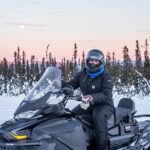
Even the helmet is a comfort story, not a gimmick. Multiple guides and riders mention how warm it keeps you when the wind hits. And the heated handgrips on the Ski Doo touring snowmobiles also reduce that numb-hand problem that makes short winter drives feel longer.
One extra practical note from real rider feedback: Rod’s helmets can support GoPro mounts for guest use. Cold can kill batteries fast, so if you’re bringing a camera setup, plan on keeping power gear warm.
Safety briefing and practice laps: how first-timers actually get control
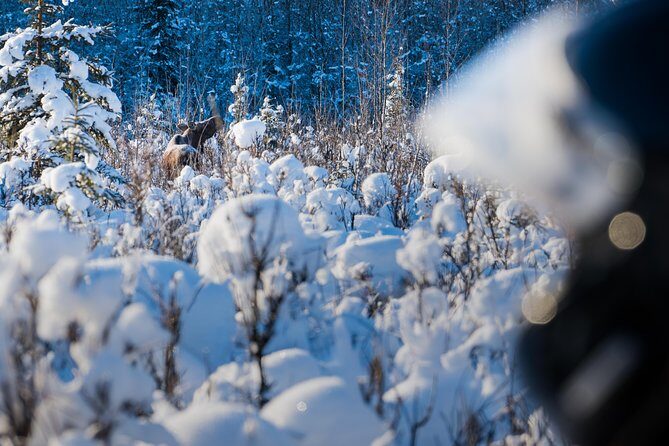
Before the main ride starts, you get a safety and operations brief. Then comes the part that makes this tour work for all levels: practice riding.
You’ll practice on the same general idea as the route—starting, steering, and managing your speed—just without the “what if” pressure of being out on the full trail. That’s what turns a first attempt into something you can enjoy, including for solo riders.
From reviews and how the operation is described, the guides are focused on:
- getting you comfortable with the controls
- making sure your following distance is safe
- using straightforward communication and signals
There’s also an important reality check: you may ride at a speed that matches your group. If you’re new, that’s a benefit. If you’re hoping to hammer the throttle the whole time, this isn’t a chaos-race tour. The ride is planned for safety and flow.
Riding Ski Doo luxury touring snowmobiles: comfort in a cold place
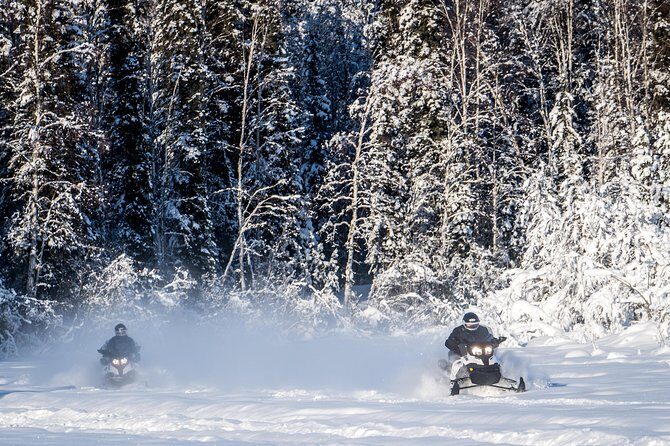
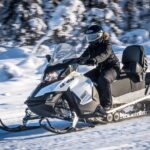
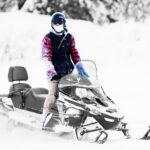
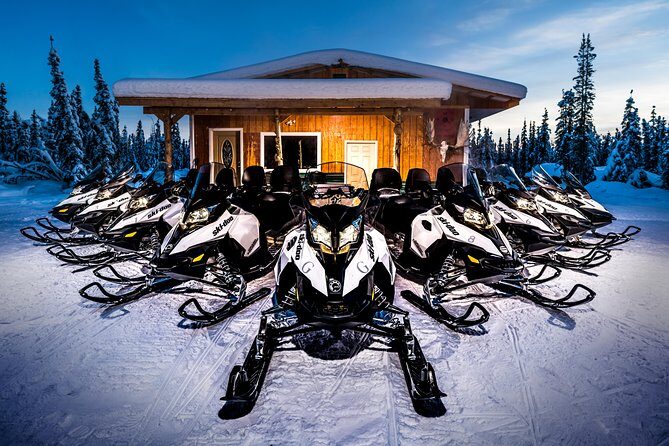
The machines are Ski Doo luxury touring snowmobiles made for winter comfort. Expect features that matter when temperatures drop:
- heated handgrips
- electric start
- accommodation for one or two riders
If you’re driving, the controls are the main thing you’ll notice first. If you’re riding as a passenger, the comfort focus is obvious: you stay warm and steady through turns and trail changes.
It also helps that the operation is built for people coming in wearing different levels of winter gear. If you show up underdressed, the tour notes that you can use their clothing for free, and that’s exactly the kind of safety net you want in Alaska.
One more plus: the staff talks like they expect real weather problems—so the gear and brief aren’t treated like a formality. Heated helmets and warm gloves reduce the “cold distraction,” so you can actually pay attention to the driving and the wildlife.
Your 1-hour route: trails picked by ability, with views that change fast
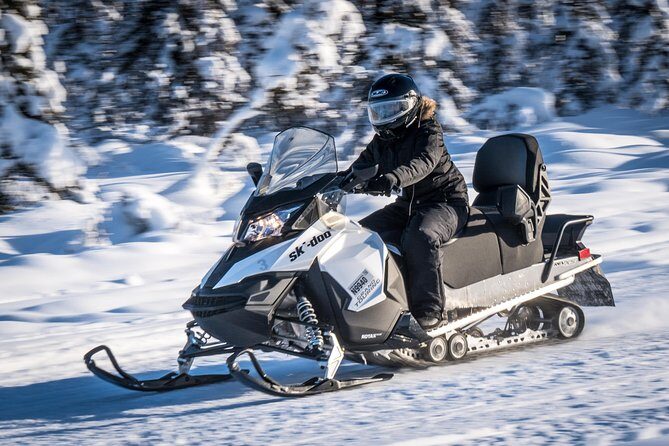
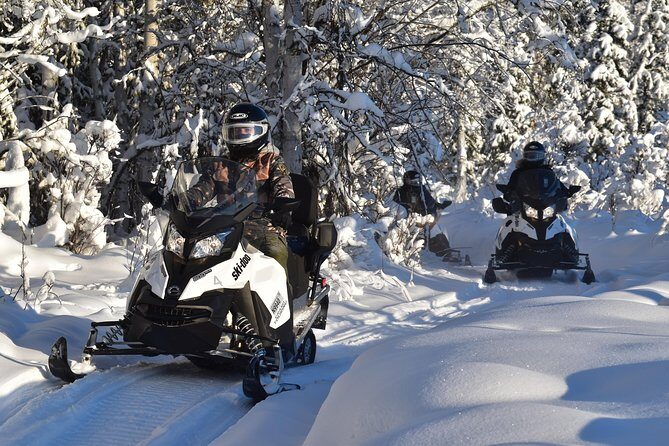
Your snowmobile adventure is about 1 hour on the machine (the overall experience includes check-in and training time before you head out). Trails are chosen based on rider ability, so you don’t get stuck on a route that’s too intense—or too slow—for your comfort.
The tour route is described as starting out on the outskirts of the North Pole area, riding past the Alaska Pipeline, and then moving through snow-covered forests. That mix is part of the fun. Pipeline-area stretches can feel more open and “zoomy,” while forest sections feel more like a real winter exploration: slower turns, more frequent scenery checks, and more chances to spot animals.
On some days, riders mention crossing or heading toward frozen lake scenery, and you may get moments where the trail opens enough to feel speed. But the big takeaway is consistency: your guide keeps the group together and steers the pace based on who’s riding and how everyone’s handling the conditions.
Also, this is offered with several departure times during the day. If you’re juggling wildlife timing, weather, or sunset/sunrise plans in Fairbanks, picking the slot that matches your schedule can make the experience feel even better.
Other guided tours in Fairbanks
Wildlife spotting: what you’re actually looking for (and how to help your chances)
This is a guided ride with wildlife on the lookout. Your guide may scan for Alaska animals including:
- moose
- fox
- snowshoe hare
- ptarmigan
- grouse
- squirrels
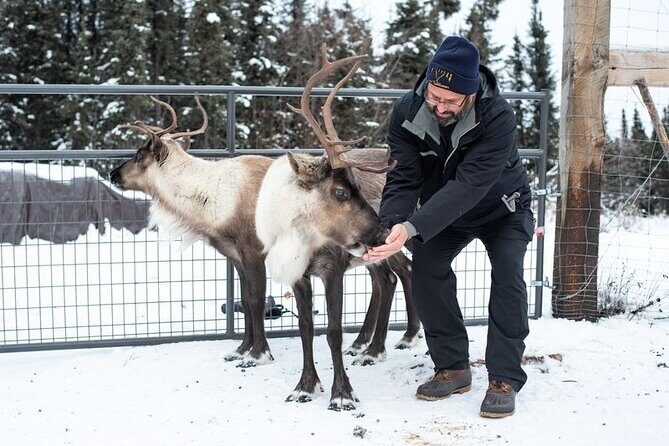
Wildlife spotting on a snowmobile tour isn’t a guaranteed checklist. But the reason this tour is worth doing is that you’re actively searching with an experienced guide, not just driving past a view and hoping.
Practical advice: keep your visor and goggles clear, and don’t let fog turn your attention into a battle. One common issue in cold helmets is glasses fogging. Rod’s specifically recommends using helmet-visor technique to defrost, and rider feedback indicates guides help with this in the moment. If you wear glasses, consider contacting lenses if you’re able, since fogging can be stubborn.
When moose do show up, the ride often becomes a “slow down and look” moment. Even if you don’t see animals every minute, being out in the right winter habitat with the right guide is what gives these sightings a real chance.
The pace and group setup: why mixed experience can be a good thing
This is suitable for beginners, and that’s not just marketing language. The practice riding plus trail selection by ability makes the tour feel fair for people who’ve never driven before.
That said, the pace works like most group tours: you go as fast as conditions and comfort allow. If someone in your group is cautious, the whole line follows that reality. Several riders even mention enjoying the ride more because they could open up in certain segments while still staying in a safe rhythm.
Here’s the value for you: if you’ve got a mix of skill levels (or age ranges), this tour structure lets everyone participate. You’re not stuck watching someone else drive the whole time while you stay seated and cold.
One more practical point: English matters. Drivers must clearly understand safety instructions in English. If anyone in your party doesn’t meet that, consider having them ride as a passenger, if the guide can accommodate it.
Gear warmth and photos: how you keep the memory without freezing
The tour includes heated helmets and warm outer gear, plus the basics like gloves and boots. Riders consistently flag that the warmth is enough to focus on driving and enjoying the moment, not just surviving.
Most riders also end up with at least one photo stop. That’s a good balance: you want a chance to step into the scenery for a quick memory shot, but you also want most of the hour dedicated to riding.
If you want extra footage, the GoPro mount option is a meaningful perk. For cold-weather filming, battery management is key—keep batteries warm and expect shorter battery life than you might in mild weather.
Price and value: is $169 fair for a guided hour?
At $169 per person for an approx. 1-hour guided snowmobile ride, the value comes from three main places:
- You get full equipment (jacket, bibs, boots, gloves, heated helmet). In Alaska winter, paying for gear rental separately can erase the “cheap tour” illusion pretty fast.
- You get instruction plus practice, not just a quick safety lecture. That’s what makes it beginner-friendly and helps you enjoy the ride instead of wrestling with controls.
- You’re guided on a pre-planned route that includes trail selection by ability and wildlife searching. That planning effort is hard to replicate on your own without local expertise.
You can also think about what you’re buying besides driving time: the time saved in figuring out cold-weather safety, the comfort of having warm gear ready, and the confidence of following a guide who knows the route and the rules of snowmobile travel in winter conditions.
If you only want a short taste, this hour is a good starter. If you’re a “more is more” type and you want longer sections at higher speed, you might find yourself wishing you booked a longer tour afterward.
When this tour might not be your best fit
This isn’t the right choice if:
- You don’t want to drive and don’t have a plan for a passenger experience. (Driving requires a valid license.)
- You need total control over pace and stops. It’s guided, and you match the group.
- You’re very sensitive about glasses fogging, and you rely on glasses as your only vision solution. The guide may help with helmet adjustments, but you should still plan to protect your sight.
There was also at least one negative account about the tone of the briefing/waiver language and about a guide’s behavior when managing the group. That type of experience can happen in any activity with shared safety rules and liability waivers. The operator’s response emphasizes that safety is the priority and that guides expect tailgating issues to be addressed immediately. If you’re conflict-averse, I’d still go in with the mindset that safety instructions can sound firm in the cold and on a machine with risk.
Should you book Rod’s Alaskan Guide Service snowmobiling?
Yes, I’d book it if you want a guided first snowmobile experience that focuses on warmth, safety, and real winter scenery. This tour has strong signals of professionalism: warm gear, heated helmets and handgrips, practice laps, and guides like Victoria, Will, Josh, and Elijah mentioned by name in rider feedback.
Do it especially if you:
- are new to snowmobiles or returning after a long break
- want a controlled route near the North Pole with wildlife chances
- appreciate equipment that keeps you warm enough to enjoy the ride
Skip or reconsider if you:
- can’t drive due to lack of a license
- depend on glasses and hate any fogging risk
- want a solo, unguided style of riding with no group pace limits
If you show up early, wear layers smartly, and listen to the safety brief, you’ll come out with the kind of Alaska memory that feels simple on the surface and real in the details: a steady Ski Doo hour, cold air in your face, warm gear on your body, and the surprise of seeing wildlife where you didn’t expect it.
FAQ
Do I need a driver’s license to drive?
Yes. You need a valid driver’s license to drive the snowmobile. Drivers also must be able to clearly understand safety instructions in English.
What age is the minimum for this tour?
The minimum passenger age is 5 years old.
What winter gear is included?
The tour provides a heated helmet, snow jacket, snow bibs, neck gator, boots, and gloves. The company also notes that you can use their clothes for free if you dress appropriately or need the warm protective gear.
How long do we ride?
The snowmobile adventure is about 1 hour. There’s also time for arrival outfitting, a safety and operations brief, and practice riding before you start the main route.
What wildlife might we see?
The guide looks for Alaska native wildlife such as moose, fox, snowshoe hare, ptarmigan, grouse, and squirrels.
What if weather is poor or I need to cancel?
This experience requires good weather. If it’s canceled due to poor weather, you’ll be offered a different date or a full refund. You can cancel for a full refund up to 24 hours in advance; within 24 hours, refunds aren’t available.