REVIEW · FAIRBANKS
Fairbanks: Aurora Borealis Northern Lights Tour
Book on GetYourGuide →Operated by Greatland Adventures · Bookable on GetYourGuide
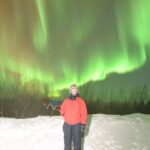
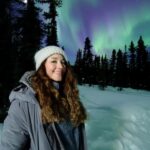
Fairbanks in winter can feel unreal. This Northern Lights tour leans hard on planning—using forecasting to choose where to drive—so you’re not just waiting and hoping. I love the small group size (up to eight people), and I love that you’re backed by an aurora forecasting service that shapes each night’s route. One thing to keep your expectations grounded: auroras can’t be forced, and clouds or haze can shut down the view even after the chase.
I also like that the guide experience matters. In past nights, guides such as Ben and Shannon were described as staying upbeat, staying focused, and willing to try more than one spot when conditions were tough. Still, the tour is designed around safety, weather, and darkness timing—so your exact route and how long you stay at each stop can vary.
This is a night-out built for the realities of Alaska winter: you depart in the 8–11 PM window, ride in comfortable vehicles, and return based on conditions. The advertised duration is 6 hours, but the atmosphere of the night is less about a strict clock and more about finding that clean patch of sky.
In This Review
- Key Things That Make This Fairbanks Aurora Tour Work
- Forecasting Turns Guessing Into a Real Plan
- Your Night Starts With Smart Timing and a Comfortable Ride
- How Far You’ll Chase: Leaving Fairbanks for Darker, Clearer Skies
- First Viewing Spot: Why One Good Patch of Sky Can Matter
- Chasing vs. Waiting: What a Multi-Stop Night Can Look Like
- Small Group Energy: Up to Eight People, Less Friction, Better Attention
- Price and Value: Is $321 Worth It for a 6-Hour Aurora Hunt?
- When the Tour Runs: Matching Your Dates to Realistic Darkness
- Who This Tour Fits Best (and Who Should Rethink It)
- Making Your Chances Better Without Overthinking It
- Should You Book the Fairbanks Northern Lights Tour?
- FAQ
- What’s the duration of the Fairbanks Aurora Borealis Northern Lights Tour?
- How many people are in the group?
- Does the tour include pickup from my hotel?
- Is aurora forecasting included?
- What time do you depart to look for the Northern Lights?
- How far will you drive to find better viewing conditions?
- What is the best time of year for auroras during this tour season?
- What’s included in the tour price?
- Is this tour suitable for children?
- Can I cancel if weather looks poor?
Key Things That Make This Fairbanks Aurora Tour Work
- Aurora forecasting drives the plan, not guesswork—locations are chosen based on forecasted strength, weather, and distance.
- Max eight people per guide means less crowding and more attention when you’re trying to read the sky.
- Comfortable vehicles and refreshments keep you steady during long dark waits and moving between spots.
- Up to 3 hours outside Fairbanks helps you escape light pollution and hunt clearer skies.
- Multiple-location strategy is built in, when the aurora and the weather cooperate.
Forecasting Turns Guessing Into a Real Plan
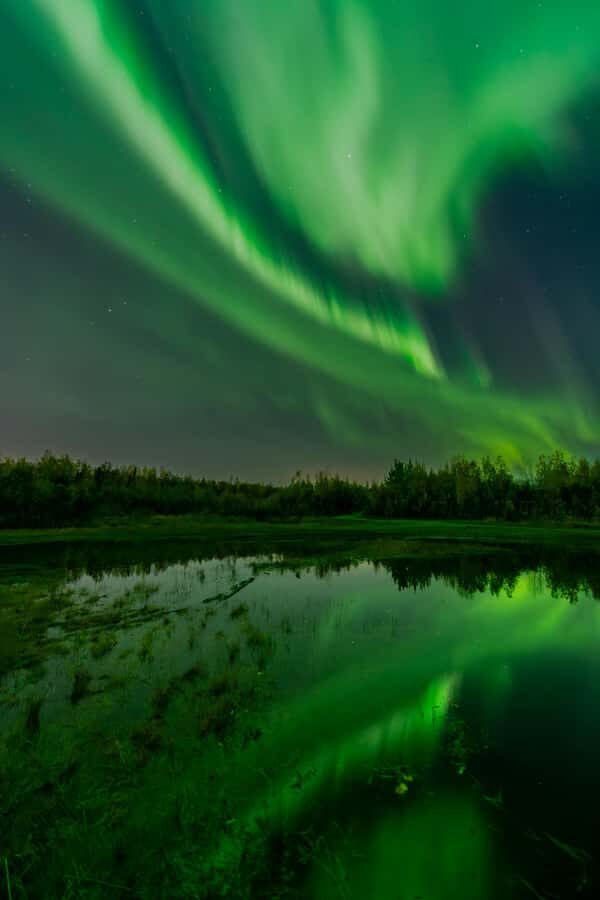
Northern Lights hunting sounds simple until you’re standing under a wide, dark sky in Alaska and realizing the main enemies are cloud cover and light pollution. This tour is designed around that reality. You get an aurora forecasting service that helps the team predict viewing conditions and then select a nightly location.
Why that matters for you: it’s the difference between hoping the next bend in the road works versus running a set of educated moves. The tour uses tech to match where you go with what the sky is likely to do that night. Even if the aurora is active, you still need clear viewing conditions, so the logistics are part of the experience.
This is also where the tour’s promise becomes more than marketing. The ride isn’t just transport—it’s the vehicle part of the strategy, with the group moving when the forecast says it’s worth it. If you’ve ever watched people crowd one spot and wait, you’ll appreciate that this tour aims for smarter positioning.
Other Northern Lights & aurora tours we've reviewed in Fairbanks

Your Night Starts With Smart Timing and a Comfortable Ride
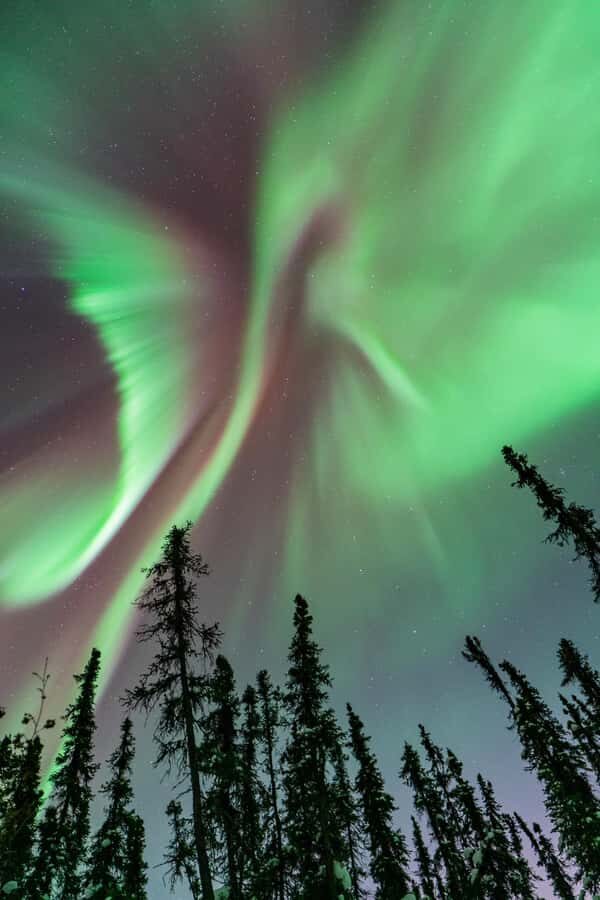
The departure time varies between 8 and 11 PM, depending on the night. That range isn’t random—it’s about hitting darkness and pairing that darkness with the best chance of aurora activity. You’ll be out for about 6 hours, though the exact return time changes with the season and the forecast.
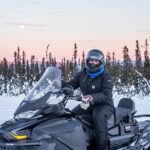
You’re not expected to suffer through the night in a bare-bones way. The tour uses comfortable transportation, and it includes refreshments, which helps when you’re waiting and scanning the sky for long stretches. The vehicle is basically your moving base camp—warm enough to keep you functioning while the team decides when and where to stop.
If you’re staying at a Fairbanks hotel, pickup is included at Fairbanks hotel locations only. If you’re in a private residence like an Airbnb or VRBO, pickup isn’t offered, and the office confirms arrangements separately. That detail affects how smoothly your night starts, so it’s worth planning around your lodging location.
How Far You’ll Chase: Leaving Fairbanks for Darker, Clearer Skies
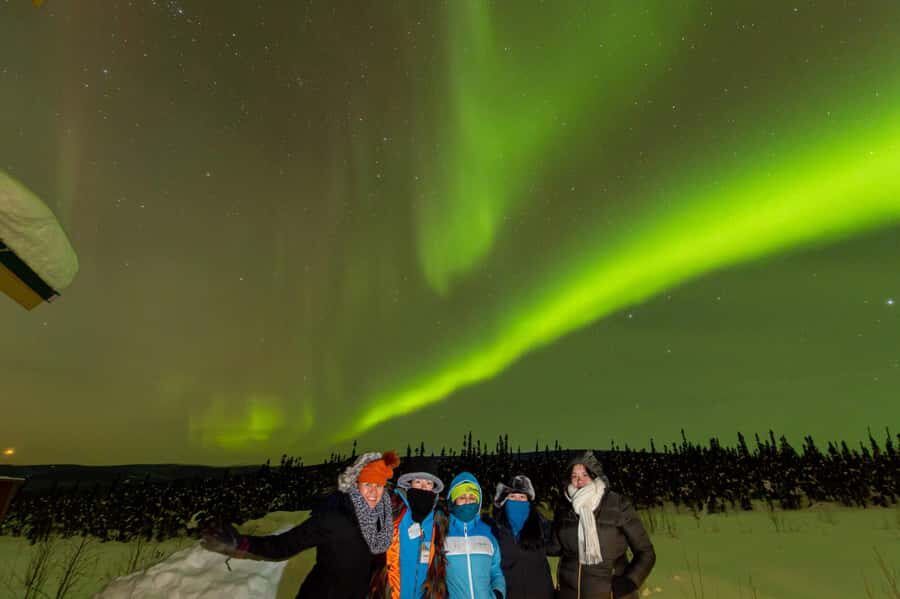
A key part of this tour’s approach is that you won’t be locked inside the city glow. The tour notes that they will drive up to 3 hours outside Fairbanks to find clear, dark skies.
That’s a big deal because “seeing the aurora” is not just about darkness—it’s about good darkness. Even when auroras are present, clouds can block them entirely, and nearby lights can wash out visibility. By driving out, you’re increasing your chances in two ways: you’re escaping light pollution, and you’re hunting for places with better weather.
You should also know this is a chase, not a guaranteed sit-and-watch show. The team’s route depends on the same sky conditions that determine whether you’ll actually see anything. So you’re paying for a system designed to improve odds—not for a specific promise that the lights will appear for everyone.
First Viewing Spot: Why One Good Patch of Sky Can Matter
Once you’re out of Fairbanks and in the dark, the tour sets you up at a strategic viewing spot based on the night’s forecast. The goal is simple: arrive where you can see the aurora if it shows up. That means they’re choosing locations with a mix of forecasted aurora strength, weather conditions, and the distance from Fairbanks.
In practice, this usually feels like a night of scanning, waiting, and learning what to look for. Aurora can show up quickly and then fade, so being positioned correctly at the right time is everything. The guide’s job is to help the group stay focused while also making decisions for when the situation calls for moving.
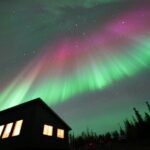
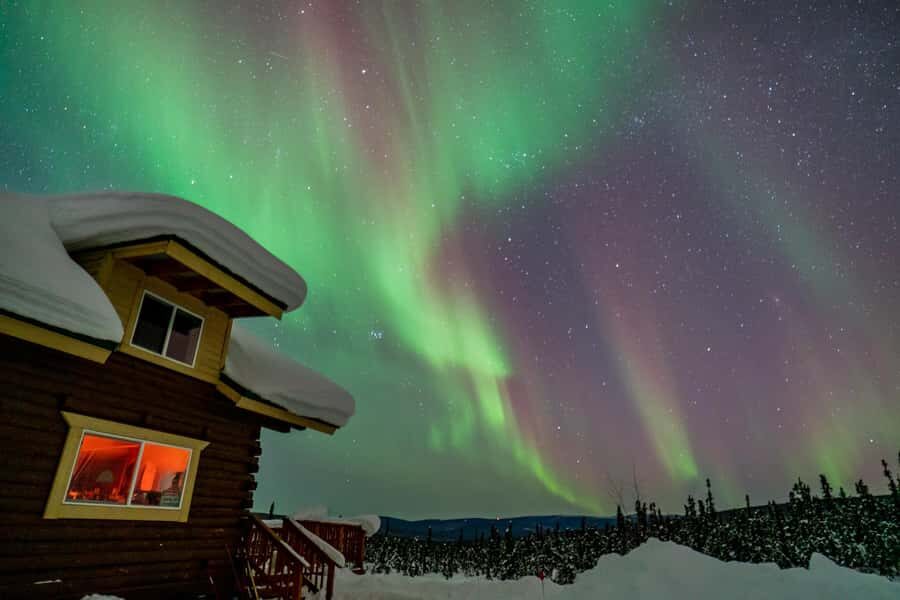
One interesting detail from past experiences: some groups ended up spending a long stretch at a cabin-style stop. Staying in one place can be great when the sky is cooperating, because you can settle in and watch longer. It also shows you the trade-off: sometimes chasing means committing to one strong option rather than hopping constantly.
Chasing vs. Waiting: What a Multi-Stop Night Can Look Like
The tour is built to search. You’ll be watching the sky, and if conditions improve or shift, the team may chase the aurora to a second location. That approach showed up in guides’ performance stories: there are accounts of teams finding the lights at one stop and then moving again to catch more later.
But here’s the important balanced note: multi-stop doesn’t always happen. Weather can tighten the window, and the team may decide that staying put is the best call for that night. One reported experience included a longer single-location stay, with a shorter overall feel to the evening compared to what some people hoped for.
So what should you do with that information? Don’t plan your expectations around a fixed number of stops. Instead, think of it like this: the tour team is making decisions to maximize your viewing odds, and sometimes the best odds come from patience rather than movement.
The good news is that the tour is designed to keep you in motion when it counts, not just shuffle you around aimlessly.
Small Group Energy: Up to Eight People, Less Friction, Better Attention
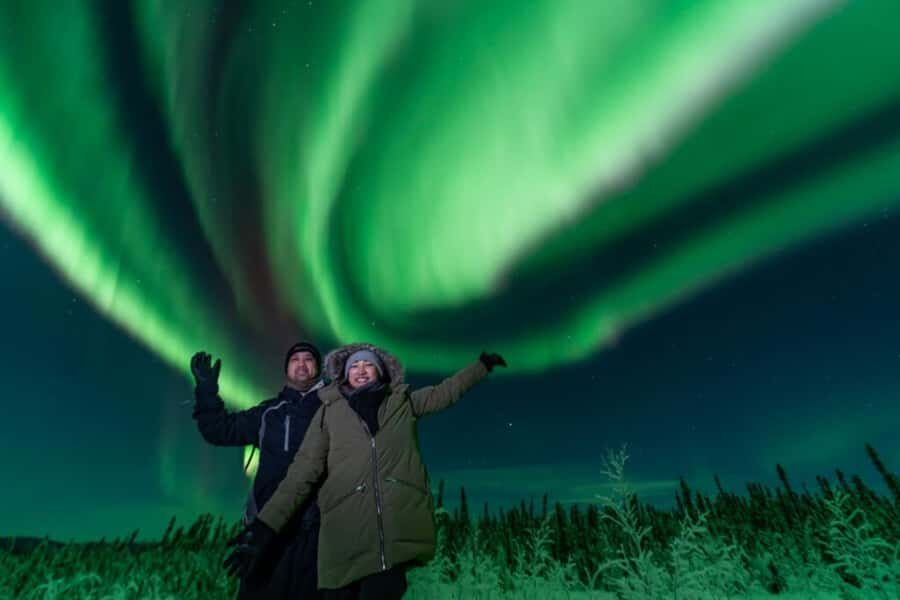
The tour caps the group at eight participants per guide. That small-group size changes the feel immediately. You’re less crowded at viewing stops, which helps you see the sky without constant jostling. It also makes it easier for the guide to manage the group’s attention and keep everyone aligned on what’s happening in the sky.
This is where those guide stories matter. When conditions are tricky, you want someone who can keep the group calm, patient, and ready to act when the forecast suggests a move. Past experiences with guides like Ben and Shannon emphasized that they worked hard to find a workable sky—sometimes by going after a second view when the first location didn’t deliver much.
If you like a tour that feels more like a focused night out with a competent team rather than a crowded bus ride, this small-group setup is one of the strongest reasons to choose it.
Price and Value: Is $321 Worth It for a 6-Hour Aurora Hunt?
At $321 per person for a 6-hour tour, you’re paying for more than a seat on a vehicle. You’re paying for:
- Professional guidance
- Aurora forecasting technology
- Transportation (including driving beyond Fairbanks)
- A small group experience
- Refreshments during the night
Here’s the value math that makes sense. Aurora viewing is probabilistic. Some nights are clear and active; some nights are clouds and disappointment. Because you can’t control the sky, you buy systems that improve your odds—forecasting and strategic site selection.
That doesn’t mean it’s cheap in the absolute sense. There are lower-priced Northern Lights options in Fairbanks, and some people feel strongly that this tour’s cost is high, especially if the weather doesn’t cooperate. One key consideration is that you should treat this as an “odds-boosting” experience, not a lights-on-demand ticket.
If you can book more than one night, you multiply your chances. The tour itself recommends booking each available night, starting with the first night of your visit, because auroras can be visible any night with adequate darkness and clear skies.
When the Tour Runs: Matching Your Dates to Realistic Darkness
The tour operates November 2 through April 14. That lines up with peak winter darkness, which is essential because auroras need adequate darkness to show well.
Also, it’s helpful to understand the bigger sky calendar: auroras can be visible from late August through mid-April, as long as the darkness conditions are right. The limiting factor isn’t whether the aurora season exists—it’s whether this specific tour is running on your dates.
If your travel window is outside the operating period, you’ll need a different plan. If you’re within the operating period, you’re in the right place for maximum viewing potential.
Who This Tour Fits Best (and Who Should Rethink It)
This is not suitable for children under 12. That’s likely because of the nighttime driving and the patience required during aurora hunting.
Who tends to enjoy it most:
- Adults and older teens who can handle winter darkness and want a guided, decision-driven approach
- People who value a small group over a big crowd
- Anyone planning a multi-night Fairbanks trip and wants the best odds on each outing
If you’re the type who hates uncertainty, understand what you’re signing up for: aurora visibility can change fast. Even on a well-run tour, the sky may not cooperate.
Making Your Chances Better Without Overthinking It
You can’t force the aurora, but you can make smart choices that increase your odds. The biggest things the tour points to are straightforward:
- Pick nights with adequate darkness
- Remember the two biggest obstacles are cloud cover and light pollution
- Book multiple nights if you can, and start with your first night in Fairbanks
That multi-night advice matters more than it sounds. When one night is cloudy, the “data-driven chase” approach has a fresh opportunity on the next night. If you only book one date, you’re relying on that night’s specific weather.
Also, be realistic about timing. You’re going out between 8–11 PM, and the return time depends on season and forecast. That flexibility is part of what gives the team the ability to chase when conditions improve.
Should You Book the Fairbanks Northern Lights Tour?
Yes—if you want the best odds and a guided, small-group chase rather than a simple viewing session. This tour’s biggest strengths are the forecast-driven planning, the effort to move to the right viewing conditions, and the up to eight person group size that makes the night feel more personal.
Book it especially if you can schedule more than one night in Fairbanks and you want to start early in your trip. If you’re only going once, understand the main risk: Alaska weather can shut down viewing, and even a great team can only work with what the sky gives them.
FAQ
What’s the duration of the Fairbanks Aurora Borealis Northern Lights Tour?
It runs for about 6 hours. Departure time varies between 8 and 11 PM, and the return time depends on the season and the forecasted conditions.
How many people are in the group?
The tour is a small group limited to a maximum of eight participants per guide.
Does the tour include pickup from my hotel?
Pickup is included for Fairbanks hotel locations only. Pickup is not available for private residences like Airbnb or VRBO, and the office will confirm pickup location if you’re at an eligible hotel.
Is aurora forecasting included?
Yes. The tour includes an aurora forecasting service that helps predict viewing conditions and select the night’s location.
What time do you depart to look for the Northern Lights?
Departure time varies between 8 and 11 PM.
How far will you drive to find better viewing conditions?
The tour may drive up to 3 hours outside Fairbanks to find clear, dark skies.
What is the best time of year for auroras during this tour season?
Auroras can be visible from late August through mid-April with adequate darkness, and this tour operates from November 2 through April 14.
What’s included in the tour price?
The included items are a professional Alaskan aurora guide, aurora forecasting service, and transportation.
Is this tour suitable for children?
No. It is not suitable for children under 12 years old.
Can I cancel if weather looks poor?
You can cancel up to 24 hours in advance for a full refund, and the tour also offers a reserve now & pay later option.