REVIEW · FAIRBANKS
Fairbanks Northern Lights Tour
Book on Viator →Operated by Greatland Adventures · Bookable on Viator
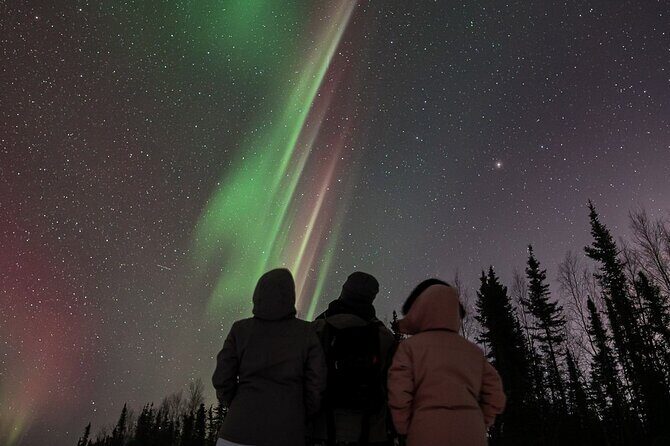
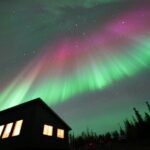
Northern lights are fickle, so plan smart. This Fairbanks tour is built around that reality with a weather-based hunt and a team that adjusts your night in real time. Two things I really like are the complimentary warm clothes and shelter (so you’re not freezing your enthusiasm off) and the chance to take home professional aurora photos and portraits. One thing to consider: you’ll get your exact pickup timing and plan later, when the team calls between 3:00pm and 5:00pm, so don’t schedule something tight during that window.
The whole setup is designed to keep you out of logistics mode. You get hotel pickup and drop-off, hot drinks, snacks, and guidance on how to photograph the aurora borealis. The group is small (maximum 10 travelers), and that matters when you need everyone lined up, bundled, and ready to shoot fast.
You start at 9:00pm from the Fairbanks area and head out until the sky (or the clouds) tells you what’s best. The tour is for most ages, with a minimum age of 13, and it’s offered in English. If you’re traveling in peak season, note that this style of tour is popular—on average it’s booked about 89 days ahead—so earlier planning usually pays off.
In This Review
- Key highlights you’ll feel right away
- How the aurora hunt works in Fairbanks (and why the call matters)
- Pickup, comfort, and small-group pacing on a long night
- Warm gear and shelter: the comfort upgrade that affects your photos
- Cabin fire vs road-chasing: what your night can look like
- Professional photos and portraits: how you’ll actually get results
- Your guide’s real job: finding clear sky fast
- Price and value: what $354.25 buys you for an 8-hour night
- What to bring (and what you can relax about)
- Weather reality and backup outcomes
- Who should book this Fairbanks Northern Lights Tour?
- Should you book this Fairbanks Northern Lights Tour?
- FAQ
- What time does the Fairbanks Northern Lights tour start?
- When will I find out my pickup time and destination?
- Is hotel pickup and drop-off included?
- What’s included to keep me warm outside?
- Do I get photos from the tour?
- How many people are in the group?
- Is the tour suitable for kids?
- What happens if the tour is canceled due to weather?
- What is the cancellation window for a full refund?
Key highlights you’ll feel right away
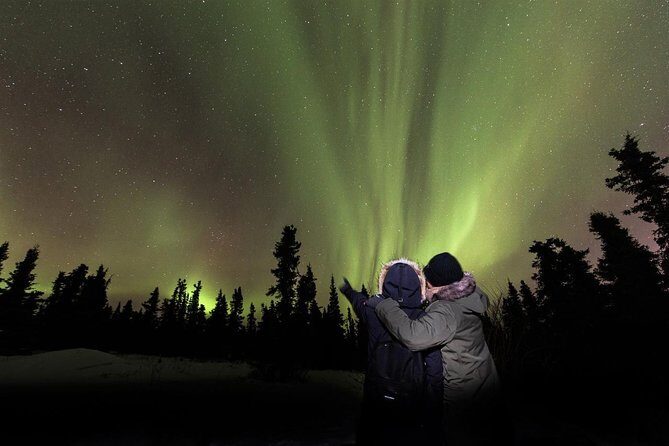
- Forecast call between 3:00pm–5:00pm: your night plan is based on the conditions they see.
- Cabin fire or road-chasing: you go where the odds improve that evening.
- Keep warm kit: complimentary clothes plus shelter make the wait easier.
- Pro photos and portraits: you’re not left with only blurry phone attempts.
- Aurora photography tips: camera settings guidance so you can actually capture what you see.
- Small group (max 10): more attention, less shuffling in the cold.
How the aurora hunt works in Fairbanks (and why the call matters)
This tour runs on aurora math: cloud cover, aurora strength, and local timing. You meet at 9:00pm in Fairbanks, but the big details—where you’ll go and how long you’ll stay out—come after the forecast update call.
Expect a phone call sometime between 3:00pm and 5:00pm from your aurora team. That call is where they tell you your pickup time, your tour length, and your destination for the night. If you’re traveling with a flight, a dinner you can’t miss, or another timed activity, line it up with that call window in mind.
That flexibility is the whole point. Northern lights aren’t guaranteed, so the operator’s strategy is to chase what’s working right now, not what the forecast said days ago.
Other Northern Lights & aurora tours we've reviewed in Fairbanks
Pickup, comfort, and small-group pacing on a long night
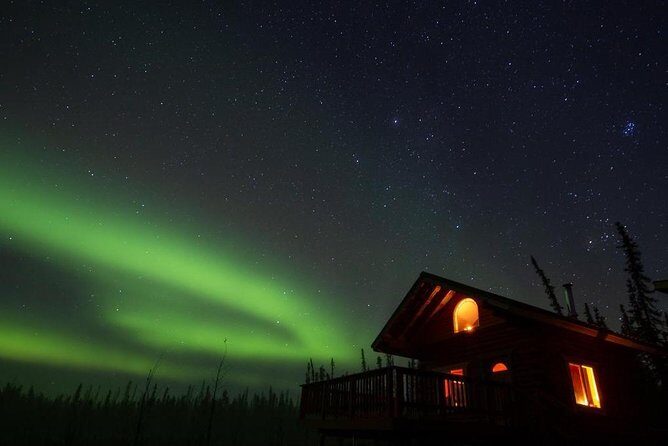
Hotel pickup and drop-off are included, and you’ll appreciate that on a winter night when your car is basically just extra effort. Getting collected and returned by the same team means you can focus on staying warm and ready to move quickly when they spot a better spot.
The group is capped at 10 travelers, which usually means you’re not fighting for position when it’s time to set up cameras and tripods. Smaller groups also help guides manage timing, because aurora intensity can rise or fade quickly.
You’ll use a mobile ticket, and the tour is offered in English. It’s a straightforward setup for most people, especially if you’re not trying to run your own itinerary from scratch.
Warm gear and shelter: the comfort upgrade that affects your photos
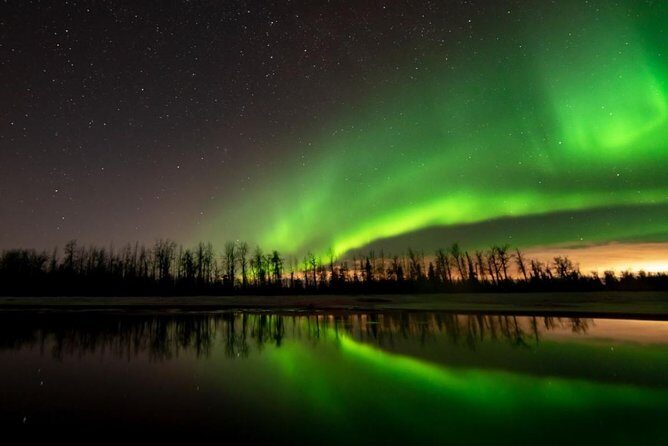
One of the standout features here is that you’re not left to solve the cold yourself. You’ll get complimentary clothes and shelter, which directly affects how long you can comfortably stay outside. In northern lights season, comfort is not a luxury. It’s how you make it through the waiting part without giving up.
You also get hot drinks, snacks, and coffee or tea. That matters more than it sounds because your body is always doing extra work in the cold. When you’re warm and fueled, you can stay patient through the quieter minutes when the lights are faint or slow to start.
If you’ve ever tried to shoot aurora while shivering, you already know what happens next: you rush, you fumble with settings, and your tripod suddenly becomes a liability. The tour is set up to prevent that.
Cabin fire vs road-chasing: what your night can look like
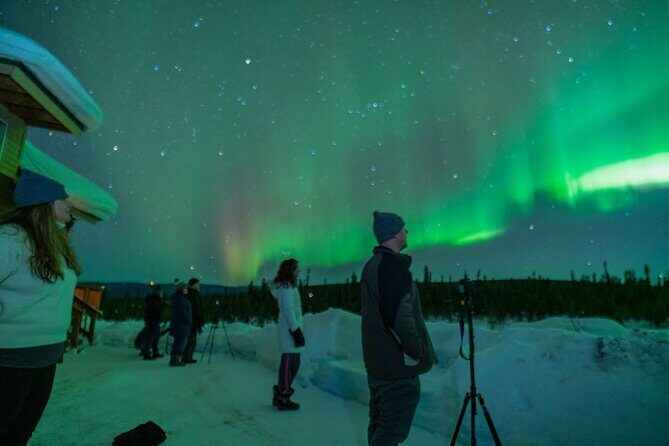
Your evening can follow one of two approaches, based on weather conditions.
Sometimes you’ll head to a cabin area with a cozy fire. That’s the calmer version of the aurora hunt. You get shelter, warmth, and a place to reset while you wait for the sky to cooperate.
Other nights are more active. If conditions point to it, you’ll go on a chasing tour, driving to multiple locations to improve your odds. The length of the night out and the final destination depend on the sky—especially cloud cover and aurora strength.
You should also expect the team to make quick decisions. In one example, a guide (Shaggy/Mike) used strong camera know-how to bring out what was hard to see with the naked eye. The takeaway for you is simple: the aurora may be subtle in person, and your guide’s job is to help you notice it and photograph it.
Another helpful detail from real-night experience: chasing works best when you’re not only hunting bright streaks. Guides may use road pull-offs and star visibility cues to find better viewing angles—so yes, look for stars, because they often tell you the sky is clear enough to work.
Professional photos and portraits: how you’ll actually get results
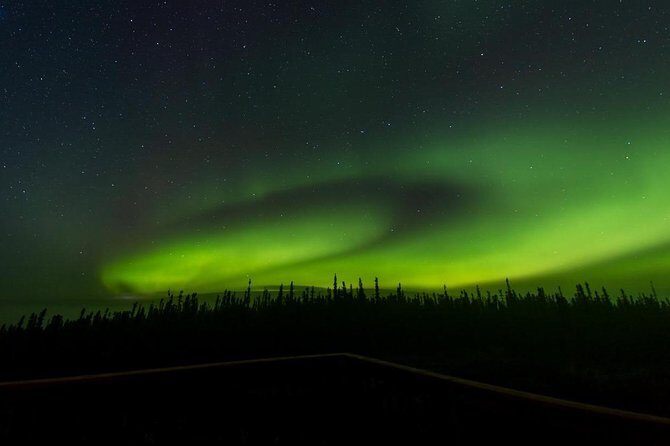
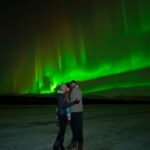
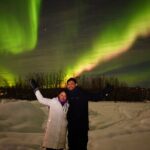
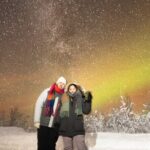
This tour includes web quality photographs and portraits. That’s a big deal because aurora photography isn’t just about having a camera. It’s about having the right settings, the right framing, and someone who knows how to make fast adjustments.
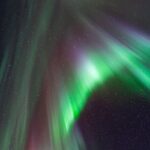
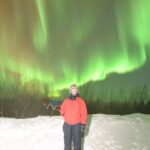
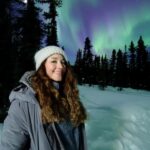
You’ll also get special tips to photograph the aurora borealis. In practice, that often means learning how to set up your shot so the lights show up clearly. One booking story described lights that were difficult to see with the naked eye, but the moment the guide adjusted camera settings, the aurora appeared in the photos.
You’ll likely use a tripod setup and follow the guide’s directions for where to stand and when to shoot. The guide team also helps ensure everyone gets a chance—especially important if you’re solo or if you don’t have someone in your party who can manage both camera and composition.
Photo delivery is part of the value. In one example, a link with photos arrived within two days. The exact timing can vary, but the key is that you’re not paying just for the sky. You’re paying for a photographic outcome.
Your guide’s real job: finding clear sky fast
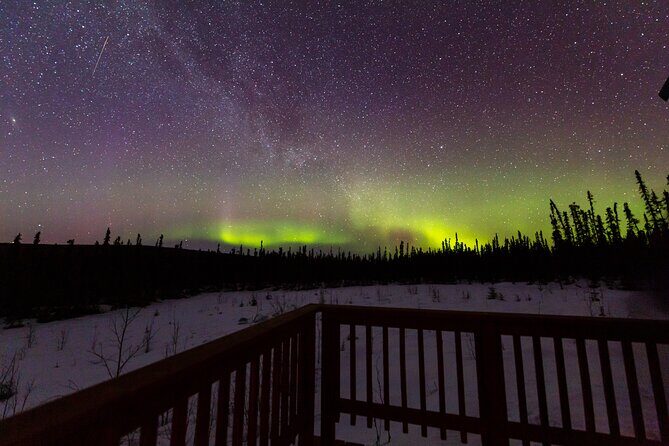
The guide team on this tour isn’t just pointing at the aurora. They’re constantly evaluating conditions and deciding what to do next.
You might get a forecast call from someone like Jacob, who’s used to giving the practical details you need: pickup time, tour length, and destination. Later, your on-the-ground guide may be someone like Shaggy/Mike, who’s described as having the camera and tripod know-how to find the best settings and the best spots.
Guides also manage the human side of the experience. One host, Chris, was described as making sure everyone got plenty of pictures taken. Another guide, Steve, stayed out longer than some other groups, aiming for a higher chance at seeing stronger aurora. He also made sure a solo attendee didn’t feel left out, which is exactly what you want from a tour operator when you’re out in the dark for hours.
That’s the balance you’re buying: expertise plus attention. Northern lights nights can be long and cold. The best guides act like good hosts, not just drivers.
Price and value: what $354.25 buys you for an 8-hour night
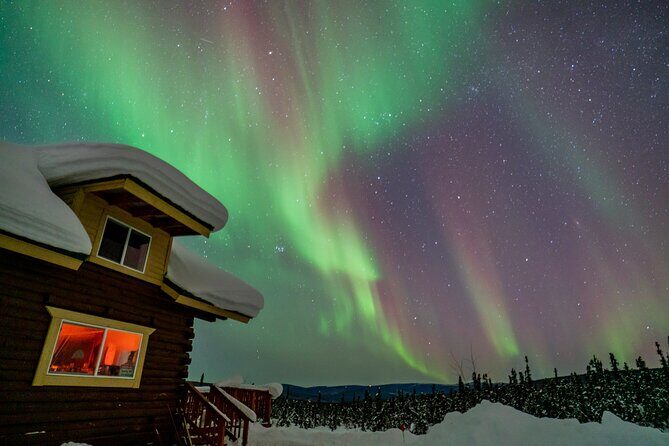
At $354.25 per person for about 8 hours, this isn’t the cheapest way to chase aurora. But it is a very “worth it if you want results” kind of price tag.
Here’s what you’re paying for, in concrete terms:
- Pickup and drop-off from your hotel, so you’re not self-navigating in snow and darkness.
- Warm gear and shelter, which lets you stay outside without losing half your attention to discomfort.
- Hot drinks and snacks, which makes the wait manageable.
- Professional photos and portraits, which can turn a faint aurora night into real keepers.
- Photography tips tied to the conditions you’ll actually face.
If you’re someone who wants to come back with images you’re happy to share, the included photo service does heavy lifting. If you’re mainly hoping to “see something with your eyes,” you may wonder if you could do it cheaper on your own. You can. But this tour removes the uncertainty and most of the guesswork.
Also consider timing. This tour is often booked well ahead (about 89 days on average). When demand is high, it’s usually because the format works: small groups, real guidance, and a plan that responds to weather instead of pretending the sky can be controlled.
What to bring (and what you can relax about)
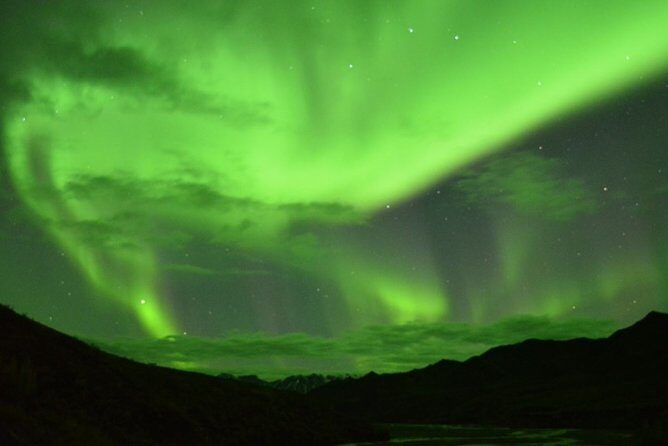
The operator provides complimentary clothes and shelter, plus drinks and snacks. That means you don’t have to show up dressed like a polar explorer from the start.
Still, you should plan to layer like you mean it. The tour involves waiting outside and taking photos in cold temperatures, and your comfort affects your patience. Even with provided clothing, you’ll want gloves, warm socks, and a hat you can tolerate for hours.
If you have a camera or want to learn, bring it. The tour includes tips for aurora photography, and your experience will likely be better if you can follow along with your own gear. If you don’t have a camera, you’ll still get guided viewing and the included professional photos.
Weather reality and backup outcomes
No aurora tour can promise lights on command. This experience is explicitly dependent on conditions—good weather is required.
If the tour gets canceled due to poor weather, you’ll be offered a different date or a full refund. That helps, because you’re not stuck with a lost night if the sky is truly not cooperating.
On nights when conditions are uncertain, the plan is adaptive. You might switch between cabin time and road-chasing as the sky changes. That’s not a downside. It’s how you maximize odds.
Who should book this Fairbanks Northern Lights Tour?
This is a strong fit if you want:
- A guided aurora hunt with minimal logistics.
- Help staying warm while you wait.
- A chance to get professional photo results plus portrait shots.
- A small-group feel where attention is shared instead of stretched.
It also makes sense for solo travelers who want structure. One account included a solo attendee being supported so they understood what was happening and weren’t left behind.
You should consider another option if you’re traveling with younger children, because the minimum age is 13. The operator says you can inquire about a private northern lights tour for groups with younger children.
Should you book this Fairbanks Northern Lights Tour?
If your priority is seeing the northern lights and leaving with photos you’re proud of, this tour is a smart bet. The combination of warm gear, hotel pickup, small group size, and professional photos is built for people who want fewer headaches and better odds.
Book it if you can handle the timing flexibility. You’ll get the big details via phone call between 3:00pm and 5:00pm, and your night plan can change based on cloud cover and aurora strength. If you already have a fixed schedule during that call window, this may be stressful.
One more practical note: since northern lights depend on conditions, your best strategy is to stay flexible and trust the guide’s decisions. This tour is designed for that reality, not for wishful thinking.
FAQ
What time does the Fairbanks Northern Lights tour start?
The tour starts at 9:00pm. Exact timing can vary based on weather and aurora conditions.
When will I find out my pickup time and destination?
The aurora team will reach out by phone between 3:00pm and 5:00pm to share pickup time, tour length, and destination details.
Is hotel pickup and drop-off included?
Yes. Hotel pickup and drop-off are included, and the activity ends back at the meeting point.
What’s included to keep me warm outside?
The tour includes complimentary clothes and shelter, plus hot drinks, snacks, and coffee and/or tea.
Do I get photos from the tour?
Yes. You’ll receive web quality photographs and portraits.
How many people are in the group?
The tour has a maximum of 10 travelers.
Is the tour suitable for kids?
The minimum age is 13. For younger children, you’re asked to inquire about a private northern lights tour.
What happens if the tour is canceled due to weather?
If the tour is canceled because of poor weather, you’ll be offered a different date or a full refund.
What is the cancellation window for a full refund?
You can cancel for a full refund up to 24 hours in advance of the experience’s start time. Changes within 24 hours aren’t accepted for a refund.