REVIEW · FAIRBANKS
Snowshoe Hike to Castner Glacier Ice Cave
Book on Viator →Operated by CoveredGround Tours · Bookable on Viator
This is one of the rare Alaskan days that mixes big views with a real, frozen room. You snowshoe across the Castner Glacier to reach the Ice Cave, then spend time exploring the glowing blue formations and snapping photos. I love that the hike is set up for regular winter visitors (not just hard-core mountaineers), and I also like that you get the gear support—ice cleats, trekking poles, and the option for snowshoes.
Your main trade-off is the cold and the boots. You’re required to wear winter shoes/boots and dress for Arctic temps, and the day involves several hours outdoors, including time walking on snow-packed glacier.
In This Review
- Key things I’d plan around
- Castner Glacier Ice Cave: What You Really Get for $275
- How the Day Flows: Fairbanks Pickup, Glacier Time, and North Pole Stops
- Snowshoe Across Castner Glacier: Pace, Pace Again, and Proper Winter Footing
- Entering the Ice Cave: 30 Minutes of Glowing Formations and Photo Planning
- Delta Junction Stop and the ALCAN Highway Story
- Guides, Group Size, and What Can Vary Day to Day
- What to Pack (So the Cold Doesn’t Win)
- Should You Book the Castner Glacier Ice Cave Tour?
- FAQ
- How long is the Snowshoe Hike to Castner Glacier Ice Cave?
- What time does the tour start?
- Where do I meet for the tour in Fairbanks?
- Is hotel pickup included?
- Is lunch included?
- What winter gear do I need to bring?
- What equipment is included for the hike?
- How long do you spend inside the ice cave?
- Is there a restroom or snack stop during the day?
Key things I’d plan around
- Short ice-cave time, big photo payoff: plan to make your 30 minutes count.
- Hike distance adds up: over a mile across the ice, with winter footing.
- Gear is mostly handled: you’ll get cleats and poles, plus snowshoe options.
- Small group format: up to 10 travelers, which helps on a glacier trek.
- Drive includes real stops: Santa’s North Pole area and a Delta Junction stop for ALCAN history.
Castner Glacier Ice Cave: What You Really Get for $275
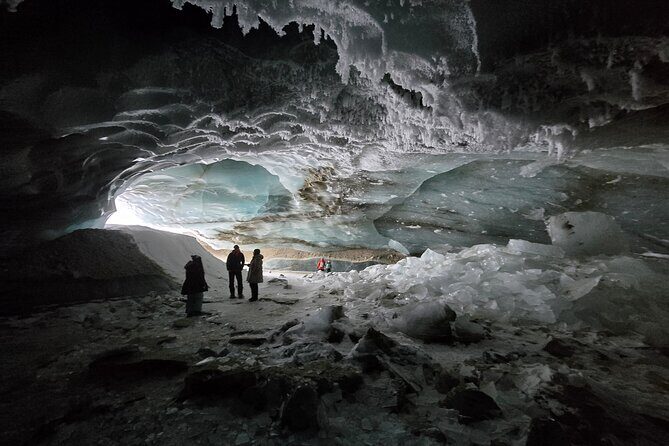
At $275 per person for a roughly 9-hour outing, this isn’t a cheap impulse stop—and that’s because you’re paying for the whole package. You’re not just being driven out. You’re transported in an air-conditioned vehicle, outfitted for traction and movement on snow and ice, and brought to an ice cave experience that most people can’t access safely on their own.
From a value standpoint, the best part is that your “hard work” is structured. You’ll start with a pickup and a guided push toward the glacier. Then you get the walking equipment you need (ice cleats and trekking poles), and you’re guided through the glacier conditions so you can focus on enjoying the scenery and the cave.
The most practical part: the operator builds in time for the human needs—snacks/water along the way and a rest stop at Delta Junction.
Other Castner Glacier ice cave tours in Fairbanks
How the Day Flows: Fairbanks Pickup, Glacier Time, and North Pole Stops
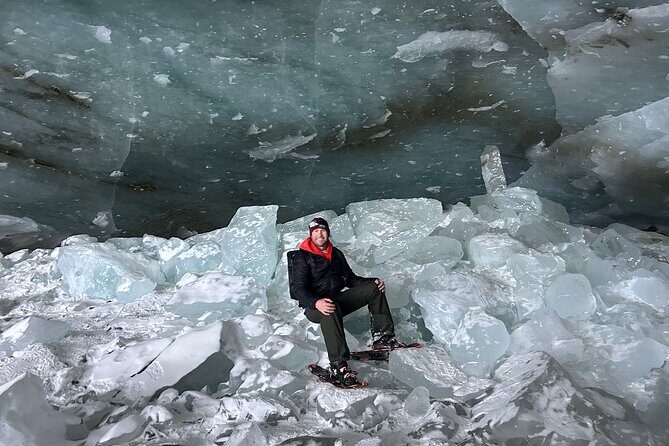
The day begins in Fairbanks. The meeting point is Walmart Supercenter, 537 Johansen Expy, Fairbanks, AK 99701, with a start time of 8:30am. If you’re in most Fairbanks hotels, pickup is typically offered, but in some cases you’ll meet at Walmart instead. The tour provides a more exact pickup time the day before, and they also note North Pole is on the way out of town for pickup.
Once everyone’s together, you travel south toward the glacier area. You’ll have a drive portion with quick breaks and photo opportunities.
Along the way, the tour includes a Delta Junction stop for a restroom and snacks, plus a short history lesson connected to the AlCan Highway. That’s a nice change of pace after hours in cold air. It also gives you a moment to reset before the ice-cave portion.
Then there’s the Santa Claus area in North Pole. You’re basically in the right place for the year-round Santa scene—festive street vibes, candy cane-style lighting, and the chance to see parts of Santa’s workshop setup as you drive by. You don’t get a long theme-park-style experience here. It’s more like Alaska winter nostalgia with a real road-trip feel.
Snowshoe Across Castner Glacier: Pace, Pace Again, and Proper Winter Footing
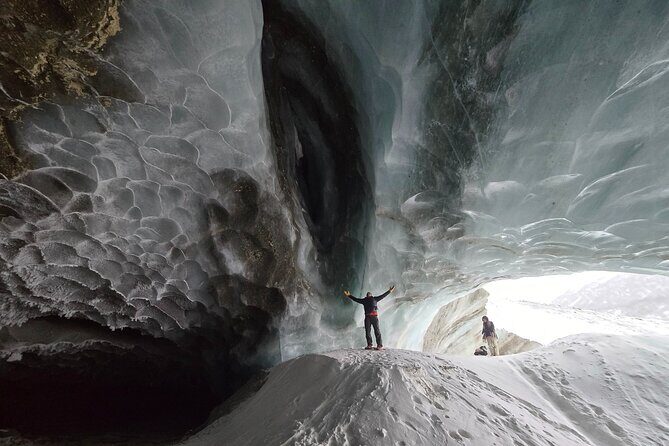
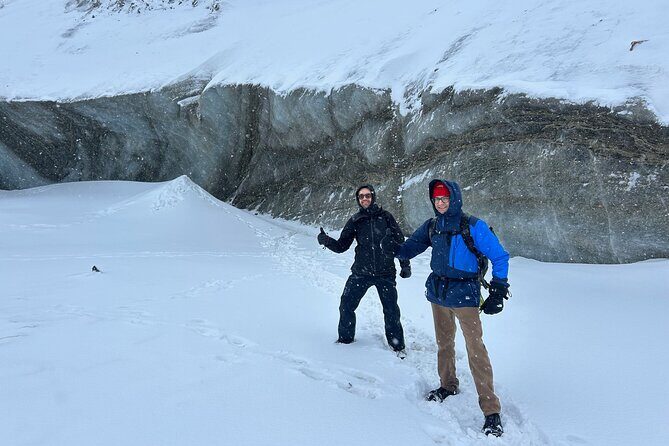
The core of the adventure is the walk onto Castner Glacier. You gear up at the trailhead and then trek a little over a mile across the ice to reach the cave. Depending on snow depth and how the trail is set, the walking can feel easy and steady—or briefly “why did I choose this?” for a minute.
Here’s what I’d take seriously if you want the day to feel smooth:
- Bring the right winter boots. Winter shoes/boots are required, and cold bites quickly if your footwear isn’t up to the job.
- Use the provided traction. Ice cleats are included, and they matter a lot once the ground gets uneven or packed.
- Assume you’ll be breaking trail sometimes. One guide team handled days where conditions had erased a clear path, and they still kept things safe and moving.
- Keep your group together. A glacier walk is not the time to wander 30 feet behind. In at least one account I saw, spacing issues were part of a serious safety concern. The lesson for you is simple: when your guide tells you to stay together, actually do it—especially near uneven snow.
The tour expects a moderate physical fitness level. That usually means you don’t need to be a marathon runner, but you do need to be comfortable walking for hours in winter conditions. Also, the provided trekking poles help a lot on snow-packed stretches, and snowshoes are optional (so they’ll help you decide based on conditions and your comfort).
Entering the Ice Cave: 30 Minutes of Glowing Formations and Photo Planning
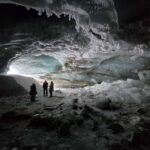
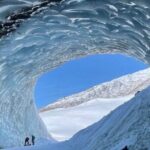
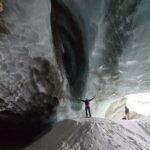
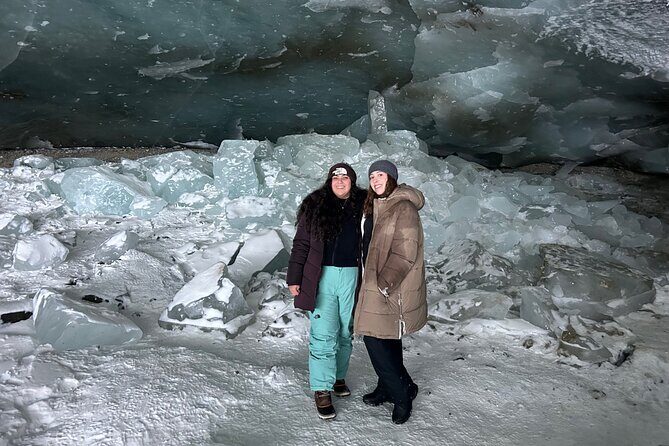
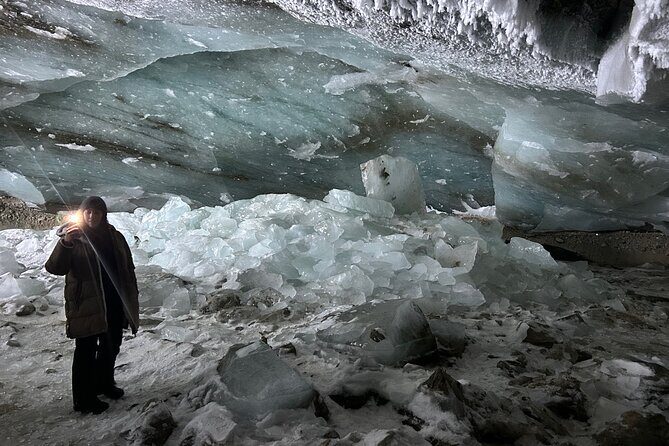
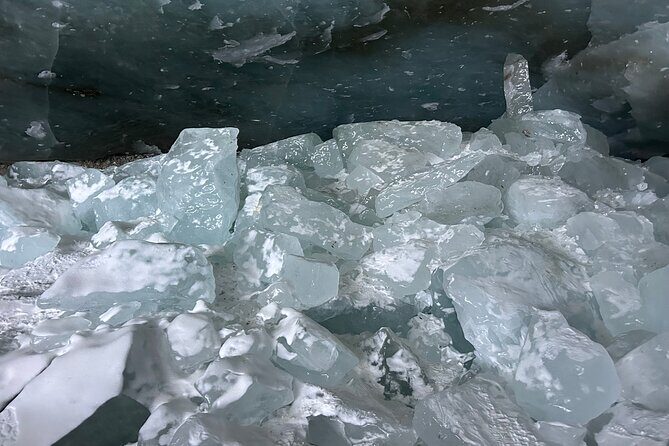
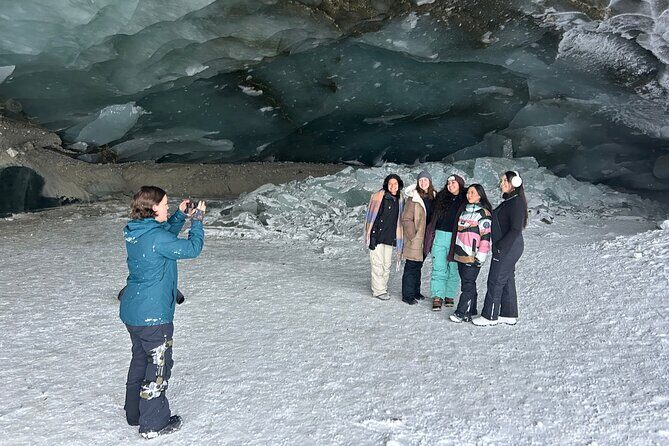
Once you reach the cave area, you get the real pay-off: stepping into the Castner Glacier Ice Cave. You’ll spend about 30 minutes inside, with time to explore the space, take photos, and enjoy a snack while surrounded by ice.
A few practical thoughts so those 30 minutes feel worth it:
- Decide your photo path fast. The cave time is short. Look first, then shoot—don’t spend your whole minute fiddling with gloves.
- Expect slippery spots. Ice cave floors can be uneven and slick. Even when conditions are great, the ground can change underfoot. Watch your footing the whole time.
- Ask about flashlight use if conditions call for it. Some guide teams bring flashlights to help you see deeper sections and enhance photos inside the cave. Even if you don’t use one, it’s a good signal that your guide is thinking about visibility.
Also, note that you may be entering a cave when the glacier conditions shift. One guide team specifically helped guests avoid unsafe areas before going in, which is the kind of pre-trip safety talk you want to hear.
If your goal is photos, you’ll be happiest treating the cave like a short guided photo walk rather than a long indoor museum visit.
Delta Junction Stop and the ALCAN Highway Story
Between glacier time and the return drive, the Delta Junction stop is a smart breather. You get about 30 minutes for restroom and snacks. That matters because once you’re moving across ice, bathroom options are limited.
This is also where the tour adds meaning to the route. You’ll learn about the AlCan Highway and the storied connection of that road through Alaska. It’s a nice way to break up the “only ice, only cold” feeling and remember that you’re part of a much bigger Alaska story than just one glacier.
And yes—you can top up supplies here if you need lunch. Lunch isn’t included, but you can bring your own or buy food at the stop (the tour info specifically notes a grocery store and Subway at Delta Junction on the way).
Guides, Group Size, and What Can Vary Day to Day
The tour caps at 10 travelers, which is a big deal when you’re on a snow-and-ice route. Smaller groups make it easier to manage pace, take turns at photo spots, and keep people from spreading out.
The experiences you’ll hear about often revolve around guide style. Names that show up in the best-rated days include Owen, Matthew, Kody, Josh, Cody, Colter, and Matt. Many of the strong experiences describe guides who helped with snowshoe setup, kept things safe even under tough conditions, and offered photo help.
That said, I’ll be practical: winter tours can vary by day and by guide. In one account, there were claims of late pickup, weak communication, and poor group control contributing to a safety incident. That’s not how most people describe the tour, but it’s a reminder for you to take safety seriously and to communicate quickly if something feels off during pickup or on the trail.
The best approach is simple:
- Listen to the guide during gear-up and while walking.
- Don’t lag behind.
- If you need water, ask early.
- And if temperatures or conditions change, trust the guide’s decisions.
What to Pack (So the Cold Doesn’t Win)
This tour requires winter gear and specifically winter shoes/boots. Beyond that, I strongly recommend you treat this like a full-on Arctic outing, not a casual hike.
Based on what people struggled with on extremely cold days, pay extra attention to:
- Face protection. One guest described cold-related blisters and nerve pain when they weren’t prepared for extreme cold, and other accounts flagged face masking as important. If it’s -something outside, your face matters.
- Gloves and hand warmth. Cold hands can ruin your whole day, especially when you’re adjusting boots or taking photos.
- Extra socks if you’re prone to snow inside boots. Some guides even helped with sock solutions when snow got in and feet were soaking.
What’s included can help, but it won’t replace your own preparedness. You’ll get bottled water, trekking poles, ice cleats, and snowshoes are optional. You’re still responsible for dressing correctly, because the tour is outdoors for a long stretch.
Should You Book the Castner Glacier Ice Cave Tour?
I’d book it if you want a real glacier-and-ice-cave experience with guided support, traction gear, and a schedule that includes break stops and photo time. It also fits well if you’re traveling as a couple, solo, or small group and you want a guided day that’s active but not “technical climbing.”
I’d think twice if you don’t handle extreme cold well or you’re not willing to wear the required winter boots and winter gear. Also, if you hate being outside for hours, this might feel like too much.
If you decide to go, do one smart thing: before you head out, make sure your face, hands, and feet are truly set for Arctic conditions. Then commit to staying with your guide and the group on the glacier. Do that, and you’ll likely feel that classic Alaska satisfaction: you earned the view, and it was worth it.
FAQ
How long is the Snowshoe Hike to Castner Glacier Ice Cave?
The tour is about 9 hours approximately, with the hiking to the cave, a time inside the ice cave, and drive time included.
What time does the tour start?
The activity starts at 8:30am.
Where do I meet for the tour in Fairbanks?
The meeting point is Walmart Supercenter, 537 Johansen Expy, Fairbanks, AK 99701.
Is hotel pickup included?
Pickup is offered from most hotels in Fairbanks, but depending on your location you may be asked to meet at Walmart. Exact pickup time is provided the day before.
Is lunch included?
Lunch is not included. The day includes snacks and water bottles. You can bring your own lunch or purchase food at Delta Junction, where there is a grocery store and Subway.
What winter gear do I need to bring?
You need winter shoes/boots and winter gear. The tour provides hiking support gear, but you’re responsible for dressing appropriately for the conditions.
What equipment is included for the hike?
Included items are bottled water, trekking poles, ice cleats, and snowshoes (optional). You’re also on an air-conditioned vehicle for the day.
How long do you spend inside the ice cave?
You spend about 30 minutes exploring the Castner Glacier Ice Cave.
Is there a restroom or snack stop during the day?
Yes. There’s a Delta Junction stop for about 30 minutes, including time for restroom and snacks.