REVIEW · FAIRBANKS
Alaska Railroad Aurora Winter Fairbanks to Anchorage One Way
Book on Viator →Operated by Alaska Railroad Corporation · Bookable on Viator
This one-way winter rail trip is a long sit with big payoffs: I love the unobstructed Denali sightlines through the large picture windows, and I love how reserved seating plus baggage help make the day feel easy. One drawback to plan for: the car lights may not always be turned off, so window glare can soften photos.
What makes this ride feel different is the mix of storytelling and scenery—Healy Canyon, Broad Pass, Hurricane Gulch, and the river-and-mountain scenes that slide by in winter light. On one trip, the narration really landed when the conductor was Vern, and the onboard team stayed friendly and ready to help when questions popped up.
It’s also a time commitment. You’ll spend about 12 hours on the rails, and once you arrive in Anchorage, you’re on your own for dinner and lodging (those come separately).
In This Review
- Key things to notice before you go
- The Fairbanks to Anchorage Rail Experience That Feels Like Alaskan Slow Travel
- Getting On in Fairbanks: What to Know About the Start
- Healy Canyon and the Nenana River: The North-of-Denali Stretch
- Broad Pass: When the Alaska Range Shows Up in Multiple Directions
- Hurricane Gulch and the 296-Foot Bridge: The Backcountry You Can Actually See
- Talkeetna Area to Anchorage: Denali Above the Susitna River and the Knik Crossing
- Onboard Comfort: Seats, Clean Cars, and Staff That Keeps Things Moving
- Dining and Snacks: What’s Included, What Isn’t, and How Meal Timing Works
- Wildlife Spotting: Yes, You Can Hit the Lottery
- Photo Reality Check: Window Glare and How to Cope
- Price and Value: Does $259 Buy Real Worth?
- Arriving in Anchorage: Your Evening Is On You
- Who This Train Ride Fits Best
- Should You Book This Fairbanks to Anchorage One-Way?
- FAQ
- How long is the Fairbanks to Anchorage train ride?
- What time does the train leave Fairbanks and arrive in Anchorage?
- Where do I meet for the train in Fairbanks?
- Where does the train arrive in Anchorage?
- Is this ticket one-way or round-trip?
- Is seating reserved, and are cars non-smoking?
- Is food included in the ticket price?
- Can I bring a service animal?
- Are children allowed?
- Is the ticket refundable if I need to change plans?
Key things to notice before you go
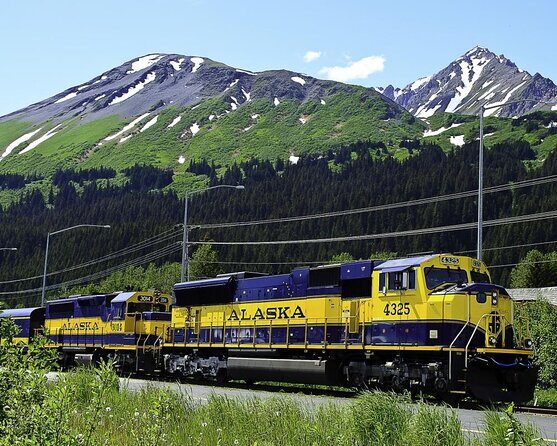
- Denali, framed for you: Large picture windows are part of the design, not an afterthought.
- A backcountry route south of Hurricane Gulch: You get views away from the main road system.
- Healy Canyon and the Nenana River: The train follows river curves north of the park area.
- Broad Pass views of the Alaska Range: You’ll have open sightlines in multiple directions.
- Hurricane Gulch from high up: The tracks cross a 296-foot bridge for a dramatic look.
- Smaller booking group: This activity listing caps at 15 travelers.
The Fairbanks to Anchorage Rail Experience That Feels Like Alaskan Slow Travel
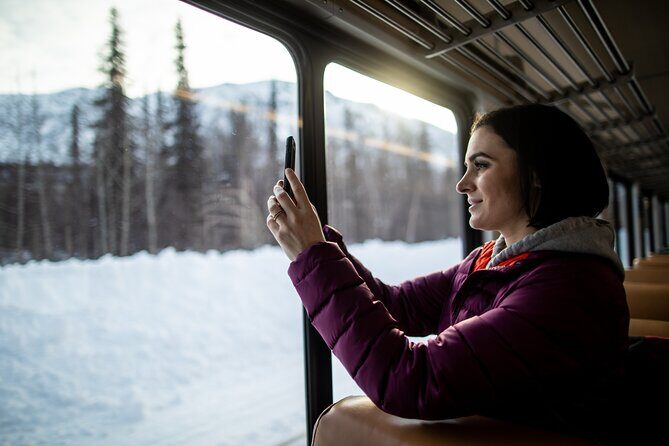
This is the “put your head out the window and let it happen” style of Alaska travel. You’re not bouncing between stops; you’re moving steadily south, car by car, through winter terrain that’s hard to replicate any other way. The value here isn’t just that it’s scenic—it’s that the scenery is continuous, and you can actually watch it without constantly driving or navigating.
The biggest reason I think this one-way makes sense is that it bridges regions. You start in Interior Alaska near Fairbanks, then the train threads through Southcentral territory as you close in on Anchorage. That means the scenery shifts enough to keep the day from feeling repetitive.
You also have reserved seating in non-smoking cars and baggage services, which matters more than it sounds. It reduces friction. You’re not juggling luggage while trying to enjoy the ride.
Other Northern Lights & aurora tours we've reviewed in Fairbanks

Getting On in Fairbanks: What to Know About the Start
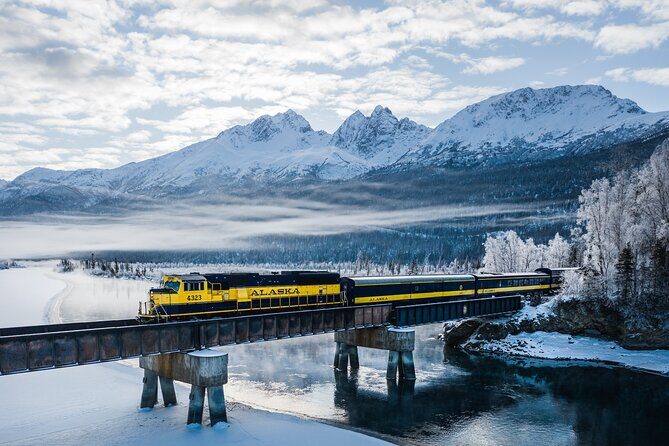
Your departure is 8:30 am from the Alaska Railroad Fairbanks Depot at 1031 Alaska Railroad Depot Rd, Fairbanks, AK 99701. Plan to arrive early enough to check in and settle without rushing. Once you’re seated, the day becomes smooth: find your seat, keep an eye on the window timing, and let the train do the work.
This is also where the mobile ticket feature comes in. The experience includes a mobile ticket, and you’ll get confirmation at booking. That’s helpful if you’re trying to avoid printouts.
Even if you travel solo, the “max 15 travelers” limit on the activity listing can feel calmer than big-group day tours. Still, the train itself carries plenty of passengers—so you’ll want your basics ready: layers, water, and a small snack buffer if you’re picky about meal timing.
Healy Canyon and the Nenana River: The North-of-Denali Stretch
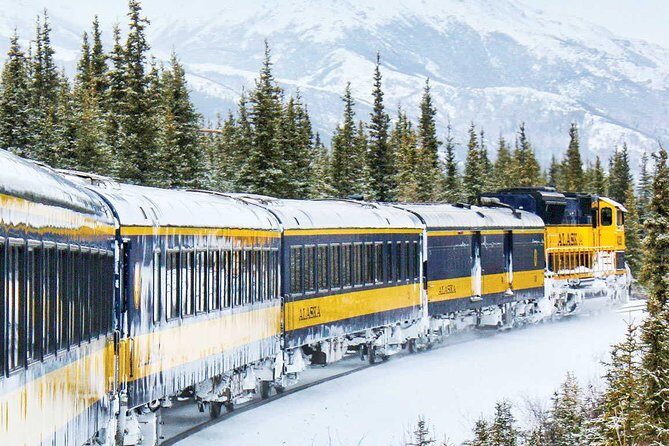
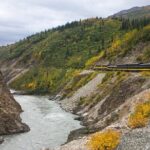
North of the park area, the train winds along Healy Canyon and follows the curves of the Nenana River below. In winter, this kind of route is more than pretty. It’s readable. You can track how the river bends, where the terrain rises, and how the train follows those lines.
Why this part is worth your attention: it sets the rhythm for the whole day. Early on, you’re getting used to the window feel, the pace, and when commentary tends to highlight features. If you care about photography, this is also a great time to test your setup before the light gets harsher later.
Tip I’d use again: keep your camera/lens plan simple early. Once you start chasing settings, you miss the moment the scenery clicks into place. This part rewards “steady and patient” over “gear-heavy.”
Broad Pass: When the Alaska Range Shows Up in Multiple Directions
As you head south of the park area, the train reaches Broad Pass. This is where you get majestic views of the Alaska Range in all directions. That phrasing is important: it means the terrain opens up and you’re not always stuck with one repeating angle.
Here’s the practical upside. When views widen, you can reposition less. You can take a photo from where you’re sitting, then scan outward for more. You don’t need to constantly shuffle seats or hunt for the perfect angle.
If you’re hoping for that big, “this is Alaska” feeling, Broad Pass is the kind of stretch that delivers. It also helps that the train is still moving at a comfortable rhythm, so you aren’t rushing to catch a single view before it’s gone.
Hurricane Gulch and the 296-Foot Bridge: The Backcountry You Can Actually See
North of Talkeetna, the tracks veer away from the road system into the Hurricane backcountry area. This is where the ride gets extra visual. You can look for the snaking Indian River, occasional remote cabins, and—most memorably—the expansive view of Hurricane Gulch from the top of a 296-foot bridge.
A bridge view in winter hits different. You get height, distance, and the sense that you’re far from streets and traffic. It’s the kind of scene that feels almost too big for a single window frame.
One heads-up: when you’re that high up, wind and cold can make you want to bundle. That’s fine—just plan to take photos quickly during the best windows of clarity and then get comfortable again.
Other Alaska Railroad trips from Fairbanks
Talkeetna Area to Anchorage: Denali Above the Susitna River and the Knik Crossing
Just south of Talkeetna, watch for Denali rising high above the Susitna River. This is a key moment in the whole itinerary because it puts Denali into the view with a layered river-and-mountain composition.
Then, traveling between Talkeetna and Anchorage, the train crosses the Knik River with the Chugach Mountains in the backdrop. This is a good contrast moment. You’ve been working through broad pass and backcountry sightlines; now you’re closing in on Anchorage scenery where mountains stack closer to the route.
This section is also where I recommend you keep your eyes up for light changes. Winter skies can turn quickly, and the mountain edges can go from crisp to soft within minutes. If your photos matter to you, don’t wait until the “perfect” moment to start shooting—start earlier, then keep a short burst rolling as the light shifts.
Onboard Comfort: Seats, Clean Cars, and Staff That Keeps Things Moving
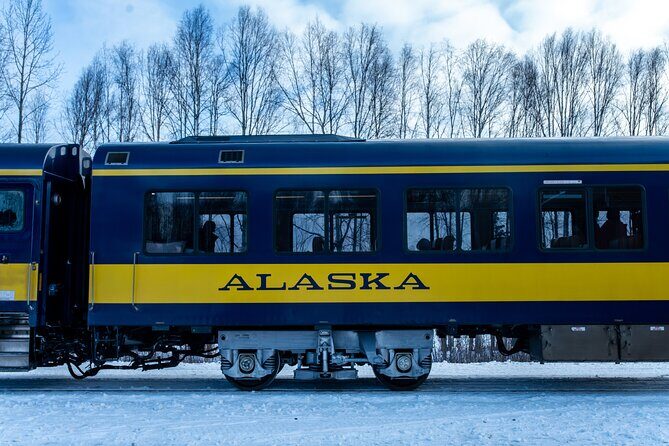
The ride is built around reserved seating in comfortable cars, and the overall vibe tends to be easy. A lot of the praise centers on the staff being friendly and on top of requests, and that’s a big deal on a long day. When the team is organized, you feel it in small moments: bag handling, questions answered, and when you can actually relax.
Most cars are non-smoking, and the experience includes baggage services. For many people, that’s the difference between “great trip” and “trip with stress.”
One more point I’d file under “worth it”: the staff provides narration during the journey. That keeps the train from feeling like pure waiting. You get local context tied to what you’re seeing outside the window—so even when you’re not staring at the most dramatic scene, you’re still learning.
Dining and Snacks: What’s Included, What Isn’t, and How Meal Timing Works
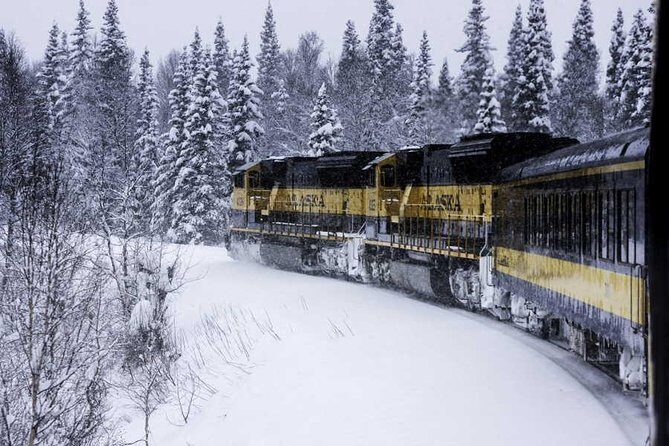
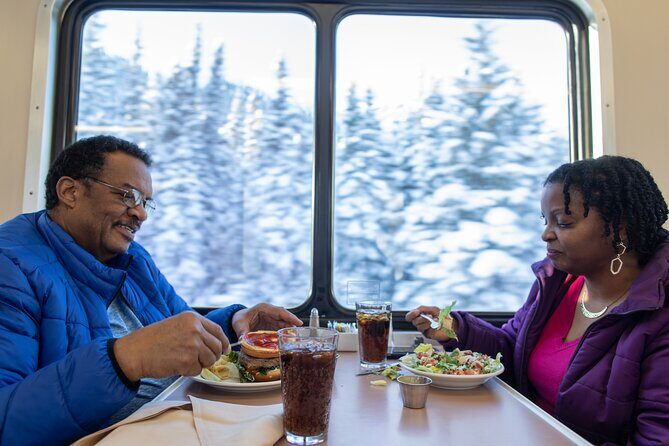
Here’s the clear breakdown: your ticket includes the one-way rail transportation and reserved seating, but snack bar and optional dining are for purchase. So you’ll want to budget for food onboard.
In a great scenario, dining is a highlight. In one ride, the dining experience was described as fabulous, with plenty of chances to eat while still watching the day outside. In another experience with poorer service, meal timing was staggered based on which cart your seat assignment matched, and service delays happened. That tells me one honest thing: meal flow can depend on how the cars are routed and how staff bandwidth looks that day.
What I’d do to stay comfortable:
- Eat when the option opens, not when you’re starving.
- Have a small backup snack in your bag if you’re sensitive to long waits.
- For kids, assume meals may land later than you expect because service can be scheduled by cart.
Also, the train is about 12 hours, so hunger management is not optional. Even if you plan to buy meals, plan your timing with the ride length in mind.
Wildlife Spotting: Yes, You Can Hit the Lottery
If you want wildlife, this route can deliver. One detailed ride description listed sightings including 46 moose, 2 sheep, a coyote, a snowshoe hare, 7 bald eagles, and multiple ptarmigans, plus a possible hawk. That’s not a promise—winter weather and timing matter—but it shows what this train can reveal when conditions line up.
How to make wildlife spotting easier:
- Scan the edges of open areas as the train passes bridges and river bends.
- Keep your camera ready but don’t stop paying attention to what’s happening right now outside the window.
- Watch for movement patterns: wildlife often appears in brief bursts.
The best part is that you don’t have to hunt for a parking lot viewpoint. You’re moving, and the view comes to you.
Photo Reality Check: Window Glare and How to Cope
The big photo complaint from multiple viewpoints is glare. Several people noted that interior lights can stay on, which creates reflection across the glass and can ruin shots. Others still got great photos, which tells me it’s a matter of technique and timing.
Practical photo tactics that help on long rides:
- Turn off your flash. (Reflection indoors gets worse with flash.)
- Use the window glare to your advantage: shoot when the outside light is stronger than the interior light.
- If the car has multiple lighting zones, choose a seat where reflections look lower.
- Clean your lens before boarding. Winter grit can smear highlights.
If your goal is Instagram-level sharpness, accept that train photography is a compromise. If your goal is “I saw it and I want proof,” you’ll likely be happy.
Price and Value: Does $259 Buy Real Worth?
At $259 per person, you’re paying for a full one-way day on Alaska Railroad with reserved seating and baggage services, plus optional onboard food. Is it expensive? In Alaska, rail isn’t bargain-basement pricing. But value here comes from what you get bundled into one ticket:
- A long scenic transit without driving stress.
- Unobstructed Denali potential through picture windows.
- Backcountry route segments you likely won’t recreate by car in a day.
- Onboard staff narration that adds meaning to the view.
- Reserved seating so you don’t fight for a spot.
When I look at this as value, I see it as a “buy the comfort and time” choice. You’re paying to sit comfortably for hours while the route unfolds, not to maximize activities.
If you’re headed from Fairbanks to Anchorage anyway, this can feel like one of the better ways to turn transit time into something scenic and informative rather than wasted hours.
Arriving in Anchorage: Your Evening Is On You
You arrive around 8:00 pm at the Anchorage Depot, 411 W 1st Ave, Anchorage, AK 99501. This is key: the rail ticket covers the ride, not lodging or city transportation afterward. You’ll be exploring Anchorage on your own, and accommodations are booked separately at your own expense.
So, I suggest planning your overnight setup before you board in Fairbanks. Have a place reserved that can handle late arrival. Then you can focus on the ride instead of scrambling afterward.
Who This Train Ride Fits Best
This is a great match if:
- You want scenery for hours without switching vehicles.
- You care about Denali views from a comfortable seat.
- You like learning as you travel, not just “getting from A to B.”
- You want a calmer group feel since the activity listing caps at 15 travelers.
It’s a weaker fit if:
- You mainly want the best possible window photos and glare will drive you crazy.
- You expect meals to be quick and perfectly timed every time. It can vary by service flow.
Should You Book This Fairbanks to Anchorage One-Way?
If you’re traveling south and you want the trip to feel like part of your Alaska story, I think this one is worth booking. The combination of reserved seating, a long winter route, and the promise of Denali through picture windows is exactly the kind of “pay once, see a lot” experience Alaska rail does well.
Book it if your priorities are comfort, views, and simple transit. Skip it only if window reflections would ruin the experience for you, or if you’re hoping the day will be short and tightly scheduled. For most people, this is one of those rides where you can relax, watch the backcountry slide by, and still end the day in Anchorage with stories you’ll be repeating for a while.
FAQ
How long is the Fairbanks to Anchorage train ride?
The trip duration is approximately 12 hours.
What time does the train leave Fairbanks and arrive in Anchorage?
It departs Fairbanks at 8:30 am and arrives in Anchorage at 8:00 pm.
Where do I meet for the train in Fairbanks?
Meet at Alaska Railroad – Fairbanks Depot, 1031 Alaska Railroad Depot Rd, Fairbanks, AK 99701.
Where does the train arrive in Anchorage?
The train ends at Anchorage Depot, 411 W 1st Ave, Anchorage, AK 99501.
Is this ticket one-way or round-trip?
This is a one-way trip from Fairbanks to Anchorage.
Is seating reserved, and are cars non-smoking?
Yes. You get comfortable reserved seating in non-smoking cars.
Is food included in the ticket price?
No. Snack bar and optional dining are available for purchase, so food is not included.
Can I bring a service animal?
Yes. Service animals are allowed.
Are children allowed?
Yes, but children must be accompanied by an adult.
Is the ticket refundable if I need to change plans?
No. This experience is non-refundable and cannot be changed for any reason.