REVIEW · FAIRBANKS
Arctic Circle Day Tour Adventure
Book on Viator →Operated by Alaska Arctic Expeditions · Bookable on Viator
A 12-hour day, built for awe. This Arctic Circle tour mixes big-road adventure with real-world stops, from the famous pipeline to the Yukon River, ending at the official Arctic Circle sign. I love that the day is structured like a journey, not a checklist, with time set aside to actually look out the window.
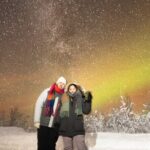
Two things I especially like: the chance to catch Northern Lights on the way back when conditions cooperate, and the way guides such as Nick, Alan, and Aaron tend to help with timing and photo stops so you’re not fumbling in cold hands. One consideration: it’s a long ride on uneven Dalton Highway stretches, and legroom can feel tight on packed vans.
If you want a relaxed, short sightseeing loop, this isn’t that. But if you can handle a full day of bumpy driving for an Arctic Circle moment, it’s a strong use of your time in Fairbanks.
In This Review
- Key highlights worth planning for
- Why the Dalton Highway run to the Arctic Circle feels different
- Price and value: what $299 buys you in the real world
- Meeting in Fairbanks: timing, pickup, and the “long-day rhythm”
- Stop 1: Alyeska Pipeline Viewing Point and the story behind the silver thread
- Northbound driving: Elliot Highway, Finger Mountain, and the Arctic Circle turnout
- Yukon River Camp at Mile 56: fuel, restroom breaks, and dinner on the return
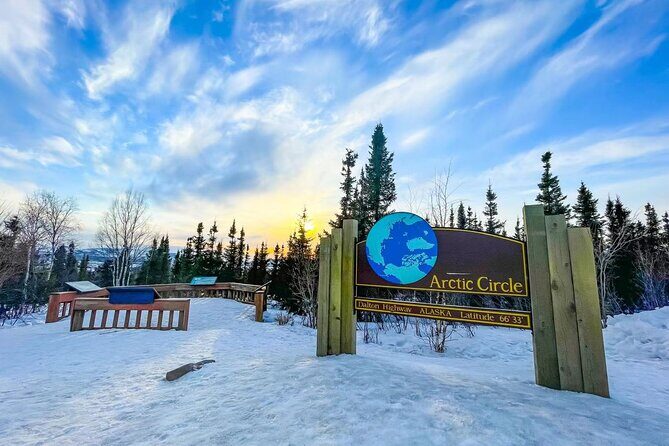
- The Arctic Circle sign at 66º33’: your crossing moment and the certificate
- Northern Lights chances on the drive home: how to be ready
- Guides and the difference between a talkative ride and a quiet one
- What to pack for a 12-hour winter van ride
- Who should book this Arctic Circle day tour, and who should skip it
- So, should you book it?
- FAQ
- What is the starting location for this tour in Fairbanks?
- What time does the tour start?
- Is pickup included, and how do I find the van?
- How long is the tour?
- What’s included in the price?
- What is not included?
- What stops are on the itinerary?
- How much time do you spend at the Arctic Circle sign?
- What is Yukon River Camp like, and when do you go there?
- Is there a maximum group size?
- Is the tour suitable for most people?
Key highlights worth planning for
- A real Arctic Circle crossing at 66º33’, with an official certificate
- Stops with meaning: pipeline tech at Alyeska and geology lessons at Finger Mountain
- Yukon River Camp (Mile 56) for fuel, restroom breaks, and dinner options
- Mobile tickets and onboard WiFi to make the long day easier
- Aurora timing on the return drive when skies are clear enough
Why the Dalton Highway run to the Arctic Circle feels different
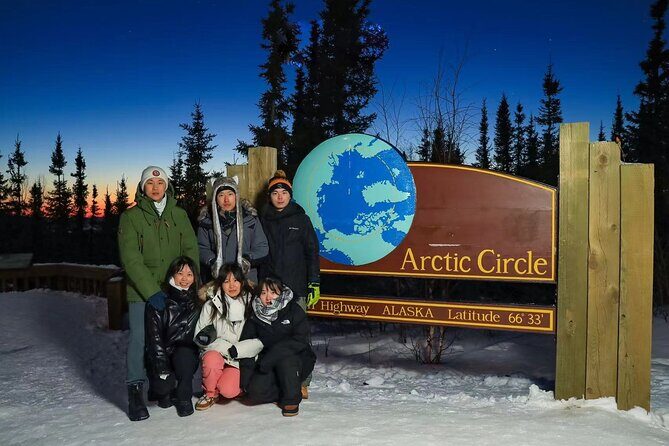
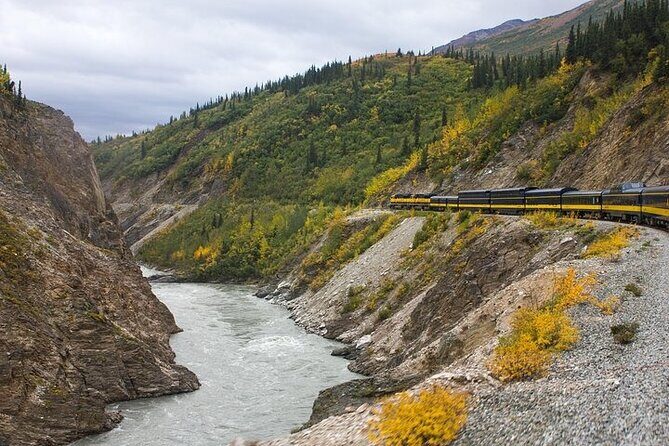
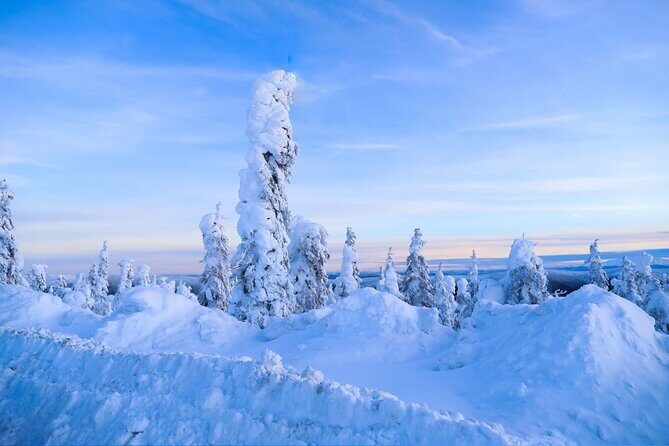
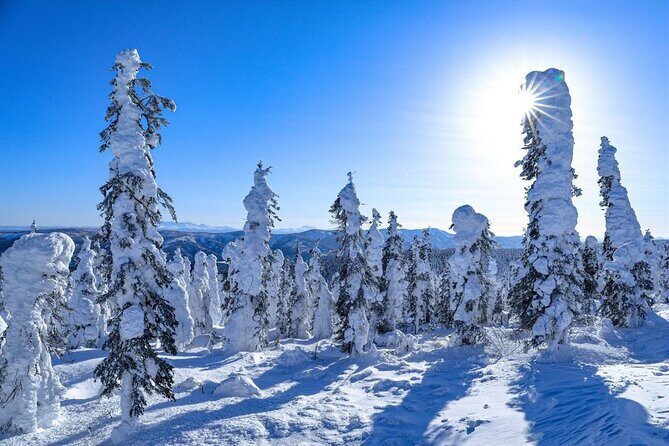
This is one of those Alaska trips where the distance becomes part of the story. You’re not just “going to a sign.” You’re traveling north through birch-and-aspen boreal forest hills, tundra valleys, and river crossings that make the Arctic feel real instead of theoretical.
The route also gives you built-in reasons to stop. You’ll see a pipeline system that threads through harsh terrain, then you’ll reach a high tundra viewpoint, and only after all that changing scenery do you hit the Arctic Circle point itself.
If you’re a first-timer in Fairbanks, this day tour is a direct path to the far-edge experience people chase. If you already have northern lights plans, this tour can still fit well because the timing puts you back in town after dark, when aurora chances often matter most.
Other Arctic Circle tours in Fairbanks
Price and value: what $299 buys you in the real world
At $299 per person for an approximately 12-hour day, the value comes from logistics plus access. Remote highways like the Dalton Highway are not something you do casually in a rental car, especially in winter when conditions can change quickly.
You’re also paying for a guide/driver and a vehicle with onboard WiFi and air-conditioning. That may not sound exciting, but during a long cold day it’s the difference between surviving and enjoying. Add the Arctic Circle Certificate and the structured stops, and the price starts to make sense as a bundle.
One more value point: small group size. This tour has a maximum of 24 travelers, which usually helps with photo timing and stop management on the roadside.
Meeting in Fairbanks: timing, pickup, and the “long-day rhythm”
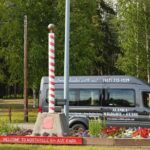
The tour starts from Hyatt Place Fairbanks (400 Merhar Ave). The listed start time is 10:00 am, and pickup runs from nearby lobbies by passenger van with the Alaska Arctic Expeditions logo. Plan to be ready about 5 minutes early, and give yourself some slack since pickup can take up to 15 minutes.
The day is mostly travel time. The stops are short and purposeful: about 20 minutes at the pipeline point, about an hour at Yukon River Camp, and about 30 minutes at the Arctic Circle sign. The rest is the road, which means you’ll want to dress for long periods sitting still.
Comfort can be the make-or-break issue. Multiple departures mention the ride being bumpy, and some people specifically note limited legroom on packed seating. If you’re tall or sensitive to cramped seating, it’s worth taking that seriously before you book.
Stop 1: Alyeska Pipeline Viewing Point and the story behind the silver thread
The first stop is the Alyeska Pipeline Viewing Point, where you can learn how the pipeline works and see an example of a device used inside the pipe. The big draw here is perspective: this pipeline is often described as a 4-foot silver thread cutting through a huge stretch of Alaskan wilderness.
This stop is quick—around 20 minutes—but it packs in scale. The tour context explains the cost and labor behind it, and it also gives you a mental image of how the route navigates mountains, earthquake zones, permafrost, and rivers. Even if you don’t geek out on energy infrastructure, it helps you understand why this part of Alaska looks like it does today.
Practical note: because this is a viewing point with learning displays, it’s not the place to plan a long walk. Dress warm, take your photos, and then settle in for the longer highway portion.
Northbound driving: Elliot Highway, Finger Mountain, and the Arctic Circle turnout
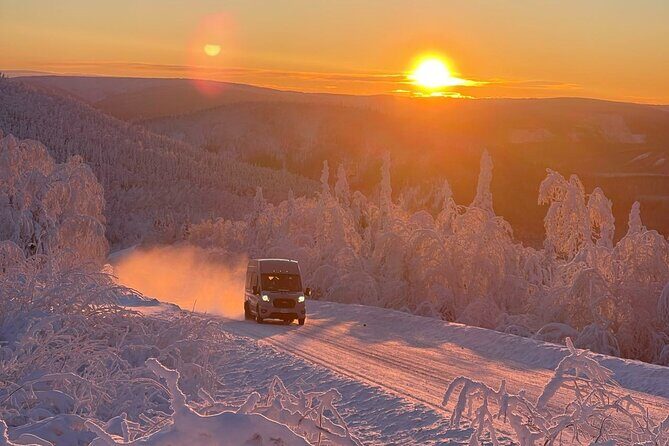
After Fairbanks, the drive heads north on the Elliot Highway toward the start of the Dalton Highway, roughly 73 miles of changing terrain. Expect roadside scenery that gradually shifts from forested hills into tundra valleys with streams and small rivers.
You’ll cross the Yukon River and continue toward Finger Mountain, a treeless high point. There are short walkways and kiosks here, which is your chance to learn the geology without turning the trip into a hike. This is also where the day adds a “you are here” feeling: higher ground, wide views, and a colder, more open atmosphere.
The Arctic Circle turnout is where the day gets practical: there are bathrooms and a picnic area. That matters because it’s easy to underestimate how cold and how long a winter day tour can feel once you’re sitting in the van for hours.

Yukon River Camp at Mile 56: fuel, restroom breaks, and dinner on the return
Yukon River Camp is located at the Yukon River Bridge (Mile 56 Dalton Highway), and the tour stops there twice. The first visit is on the way north for fuel and restroom. The second visit is on the way back for dinner.
The tour description notes a winter menu at the camp’s Yukon River Noodle House, including freshly made Bahn Mi sandwiches and filling noodle soups. Dinner isn’t included, so treat this as your planned meal option rather than a quick snack stop.
Two small realities make Yukon River Camp important:
- You likely won’t find many easy choices along the Dalton Highway, so having a meal plan reduces stress.
- The camp provides a real break from driving, which helps you arrive at the Arctic Circle sign feeling human.
This stop also helps explain why lunch needs to be handled by you. Lunch is not included, so bring what you can eat comfortably in the vehicle or before dinner timing.
The Arctic Circle sign at 66º33’: your crossing moment and the certificate
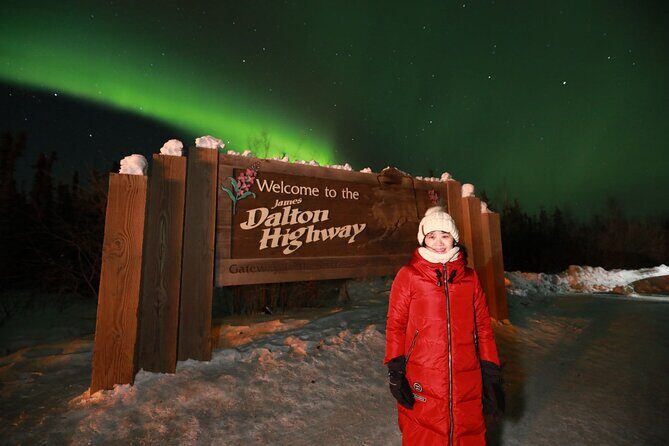
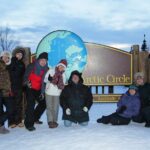
The Arctic Circle monument sign is at 66º33’. This is the spiritual payoff point of the whole day, and it’s also where the trip becomes official.
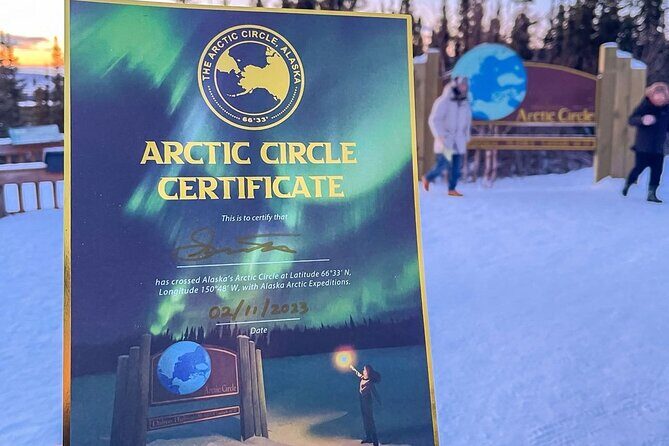
You’ll have about 30 minutes at the sign. Your guide marks the crossing and explains the seasonal sun behavior—on June 21 the sun doesn’t set, and on December 21 the sun doesn’t rise. Then you get your official Arctic Circle Certificate, which is included in the tour price.
This is also the moment to slow down and do the thing many people forget: look around. The Arctic Circle location is remote for a reason, and the stillness of the area (plus the wide sky) is part of the impact.
Photo tip: plan for cold fingers. Keep your camera or phone reachable and use short bursts. You don’t want to fight with gloves right after you’ve gotten a clear moment at the sign.
Northern Lights chances on the drive home: how to be ready
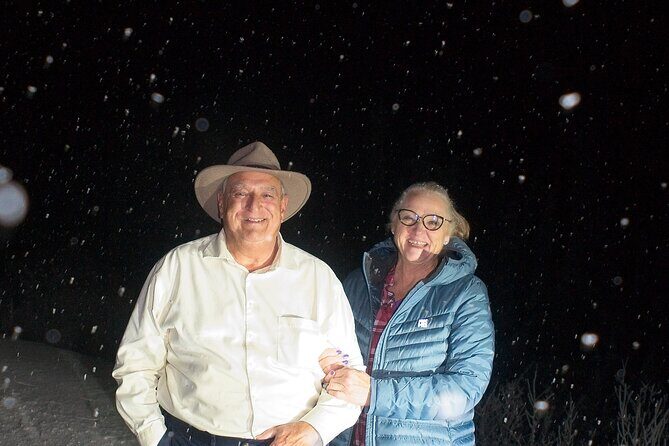
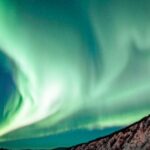
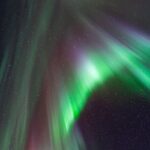
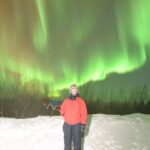
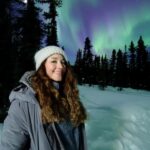
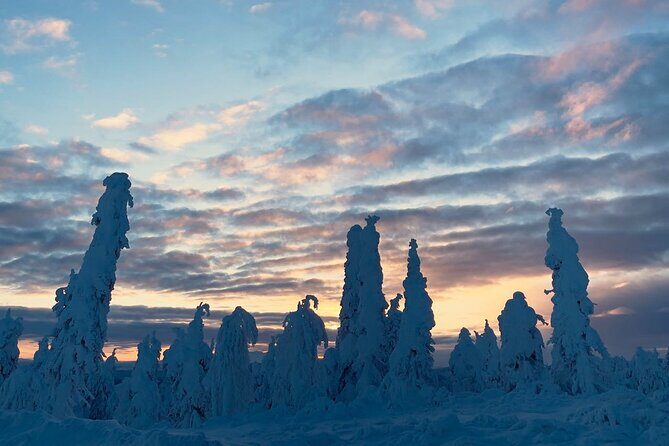
Northern Lights sightings come up repeatedly for this route, often on the way back after the Arctic Circle sign. When the sky is clear, guides may take extra time to stop and help people view and photograph the aurora.
But there’s no guarantee. One of the most useful things you can take from this type of tour is that aurora depends on cloud cover and weather. On days with fog or heavy cloud, you might not get the display you were hoping for.
What you can control:
- Bring layers that you can still move in for short viewing stops.
- Have hand protection that lets you operate your phone or camera.
- Keep your eyes up even during the drive. The aurora doesn’t always wait for the perfect roadside stop.
If you’re planning a winter trip to Alaska, this tour can be a practical way to tack on aurora time without adding a separate night excursion.
Guides and the difference between a talkative ride and a quiet one
Guide style seems to vary more than you’d expect on a day this long. Many departures highlight friendly, patient guiding and lots of extra attention for photo moments—people describe guides like Nick and Alan as helpful with picture-taking, safety, and Dalton Highway etiquette.
At the same time, a smaller number of experiences describe long stretches of quiet driving with fewer interpretive stops. That’s not necessarily unsafe or poorly run, but it can feel disappointing if you booked expecting constant storytelling.
My practical advice: decide what you want from the “guide” part. If you love frequent context and history snippets, bring a backup mindset. If you’re mostly here for scenery and the Arctic Circle sign, you’ll likely be happy as long as the stops are timely and the driving is handled well.
What to pack for a 12-hour winter van ride
This tour is warm inside, but you’re still going to be outside in cold air at multiple stops. Pack like you’re doing roadside viewing, not just commuting.
A solid packing list:
- Extra layers (you’ll likely warm up in the van, then cool fast outside)
- Gloves that work for phones/cameras
- Water and snacks for the long stretch (dinner isn’t until after the Arctic Circle stop)
- Lunch you can eat without needing a full restaurant setup
- Comfortable shoes for short walkways (pipeline viewpoint and Finger Mountain paths are not long, but they’re icy-prone)
Some people also mention the road being bumpy, and that means a small comfort kit helps: lip balm, tissues, and something to keep you comfortable during long sitting.
If you’re sensitive to tight seating, consider bringing a small travel pillow or cushion.
Who should book this Arctic Circle day tour, and who should skip it
This tour fits best if you want:
- A first-time Arctic Circle moment from Fairbanks with an actual certificate
- A structured route that covers the pipeline, Yukon River area, and Arctic Circle sign
- A day plan that can include aurora chances on the return drive
- Comfort features like WiFi and an air-conditioned vehicle
You might want to skip if:
- You hate long, cramped vehicle rides and you need lots of legroom
- You’re only interested in a highly guided, talk-through narrative all day
- You’re looking for a short “see a few things and relax” outing
If you’re traveling with kids, this can still work well because the day includes frequent stops and lots of “wow” scenery, plus the excitement of reaching the Arctic Circle sign.
So, should you book it?
I think this tour is worth booking if your goal is a real Arctic Circle destination day with meaningful stops and the odds of aurora timing. The combination of the pipeline viewing context, the Yukon River Camp break, and the included Arctic Circle Certificate makes it feel like a complete remote-day experience.
If you’re booking for comfort only, you may find the long van ride tiring. If you’re booking for the roads and the destination, you’ll likely feel satisfied by the time you’re standing at 66º33’.
My final nudge: pack snacks, bring real cold-weather layers, and plan for a bumpy, long day. Then enjoy the payoff—because the Arctic Circle stop is the kind of memory that sticks.
FAQ
What is the starting location for this tour in Fairbanks?
The tour starts at Hyatt Place Fairbanks, 400 Merhar Ave, Fairbanks, AK 99701, USA.
What time does the tour start?
The listed start time is 10:00 am.
Is pickup included, and how do I find the van?
Pickup is offered. Wait in your hotel lobby and look for a passenger van with the Alaska Arctic Expeditions logo. Be ready about 5 minutes early, and allow up to 15 minutes for pickup.
How long is the tour?
The duration is about 12 hours.
What’s included in the price?
Included features are an air-conditioned vehicle, WiFi on board, a driver/guide and local professional guide, an Arctic Circle Certificate, and a mobile ticket. Admission for the listed stops is free.
What is not included?
Dinner is not included; you can purchase dinner at Yukon River Camp. Lunch is not included, so you’ll need to prepare lunch.
What stops are on the itinerary?
You’ll stop at Alyeska Pipeline Viewing Point, Yukon River Camp (twice), and the BLM Arctic Circle Monument Sign at 66º33’.
How much time do you spend at the Arctic Circle sign?
The Arctic Circle Monument Sign stop is about 30 minutes.
What is Yukon River Camp like, and when do you go there?
Yukon River Camp is at Mile 56 Dalton Highway by the Yukon River Bridge. You stop there first for fuel and restrooms going north, and later for dinner on the way back.
Is there a maximum group size?
Yes. The tour maximum is 24 travelers.
Is the tour suitable for most people?
The tour states that most travelers can participate.