REVIEW · FAIRBANKS
Arctic Circle Winter Drive Adventure
Book on Viator →Operated by Northern Alaska Tour Company · Bookable on Viator
Winter in Alaska has a way of changing your scale. A 16-hour drive from Fairbanks takes you onto the Dalton Highway in frozen conditions, with stops built for photos, stories, and that moment you cross an invisible line. I love how this trip mixes practical road-trip fun with real Arctic context from the guide, and I especially liked the official Arctic Circle certificate you earn at Milepost 115.
You’ll also get a genuine “watch the world change” day: the Trans-Alaska pipeline sightlines, Yukon River views along the way, and multiple chances to step outside and feel the cold up close. The group size stays small enough to stay friendly (up to 26), and the bus ride is handled like a day plan, not a chaos show.
One drawback to plan for: it’s a long day of sitting with hours on the road, plus food choices can be limited once you’re out in the Arctic—so if you have diet needs, bring your own backup snacks.
In This Review
- Key Highlights to Know Before You Go
- Why Driving the Dalton Highway in Winter Feels Different Than Flying
- Check-In, Duration, and the Reality of a 16-Plus-Hour Day
- Northern Alaska Tour Company: Starting With Context, Not Confetti
- Dalton Highway Mileposts: Pipeline Views and the Coldfoot Question
- Arctic Circle Trading Post: Short Stop, Meaningful Homesteading Stories
- Yukon River Camp Stops: Food Options, Bathroom Breaks, and Cold-Weather Relief
- The Arctic Circle Monument Sign: The Moment You Actually Earn
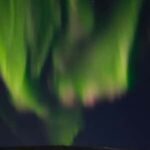
- Aurora Borealis: How This Drive Can Still Find Light
- What the Tour Does Well: Guides, Storytelling, and Keeping You Moving
- Price and Value: Is $299 a Fair Deal for the Arctic Circle Day?
- Practical Tips Before You Book: What to Pack and What to Plan
- Who Should Choose This Tour (and Who Might Want Another Option)
- Should You Book the Arctic Circle Winter Drive Adventure?
- FAQ
- How long is the Arctic Circle Winter Drive Adventure?
- Where does the tour start and end?
- What’s included in the price?
- What isn’t included?
- What is the check-in time window?
- Does this tour go all the way to Coldfoot?
- Do I receive an Arctic Circle certificate?
- What happens if the weather is bad?
Key Highlights to Know Before You Go
- Dalton Highway winter road trip from Fairbanks with guided storytelling and frequent stops
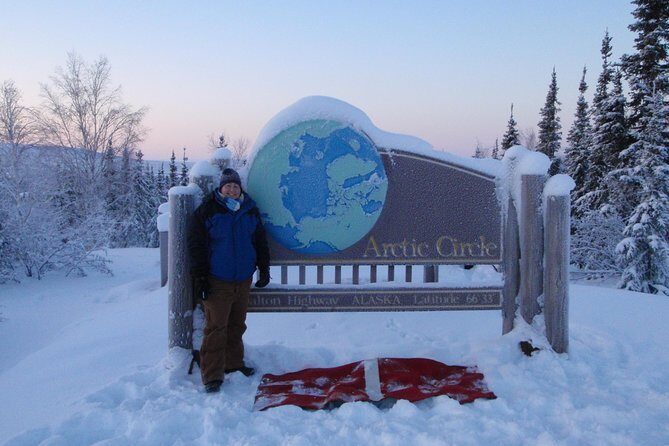
- Arctic Circle Monument Sign at Milepost 115 (about 200 miles north of Fairbanks) and an official certificate
- Trans-Alaska pipeline and Yukon River sights along the route (very “Alaska in one frame” moments)
- Yukon River Camp breaks for meals and time to stretch, plus chances to explore outside
- Guide-led attempts to catch aurora light are possible even when the day isn’t marketed as an aurora-only trip
Why Driving the Dalton Highway in Winter Feels Different Than Flying
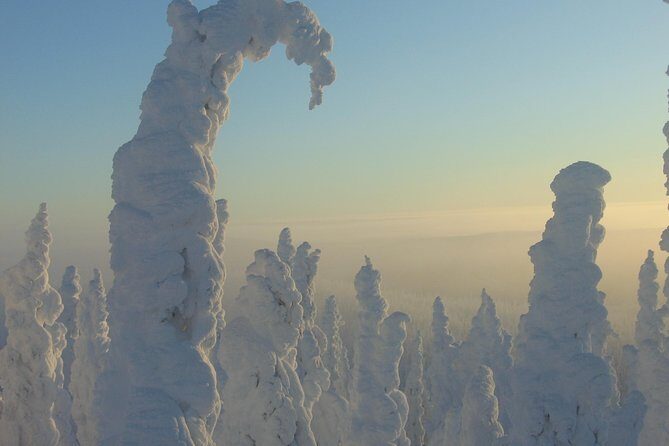
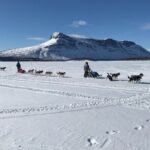
The big reason to do this by road is simple: you actually travel through the Arctic. From Fairbanks, you spend most of the day working your way up Alaska’s Dalton Highway, then returning the same way. In winter, that means long windows of snow country, wide-open views, and a clear sense of distance that you don’t get from a short flight.
This is also where the guide matters. The best part isn’t just that someone points out landmarks—it’s that you get the “why” behind what you’re seeing. In the reviews, guides like Don K and Shawn are repeatedly praised for safety, strong narrative, and keeping people engaged on a long day.
And yes, winter adds friction. Cold makes everything slower: pictures take more effort, your hands get tired sooner, and you’ll want warm clothing that doesn’t trap sweat. Still, if you’re after that big Arctic feeling—silence, scale, and surprise light shows overhead—this drive delivers.
Other Arctic Circle tours in Fairbanks
Check-In, Duration, and the Reality of a 16-Plus-Hour Day
Plan for a long haul. The tour runs about 16 hours (and at least one guest reported a longer day closer to 19 hours). That time adds up because the Dalton Highway is the point of the trip. Even with stops, you’ll be riding for extended stretches.
Check-in is time-sensitive: it opens at 9:00 AM and closes at 9:15 AM. If you miss that window, you risk losing the tour. Also note that the parking fee isn’t included and is paid at check-in.
One more small but important detail: there’s seat rotation on the bus. Some guests loved this because it spreads the best viewing angles around the group. Others found it inconvenient—moving your bag, finding your seat again. Either way, it’s smart to travel with what you’ll need close at hand so you’re not rummaging in winter coats.
You’ll get live commentary and an experienced driver/guide, and the schedule includes breaks that help you stay human.
Northern Alaska Tour Company: Starting With Context, Not Confetti
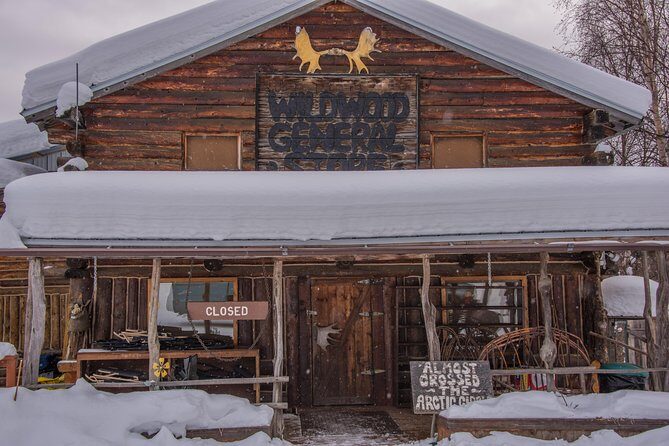
Early in the day, you stop at the Northern Alaska Tour Company—where the day’s approach gets set. This first stop is a “get oriented” moment: you’re getting into Arctic mindset before you hit the long stretches of road.
I like this because it matters for what you’ll notice later. When the guide gives you context upfront—about the Dalton Highway, how this region is lived in, and why the stops are placed where they are—you’ll understand the sights faster on the road back-to-back.
Also, this is where you’ll feel the tone of the operation: small groups, steady pacing, and staff focused on keeping everyone on track. In reviews, guests repeatedly mention guides doing real work—safe driving, steady narration, and helpful photo moments—so you’re not just along for the ride.
Dalton Highway Mileposts: Pipeline Views and the Coldfoot Question
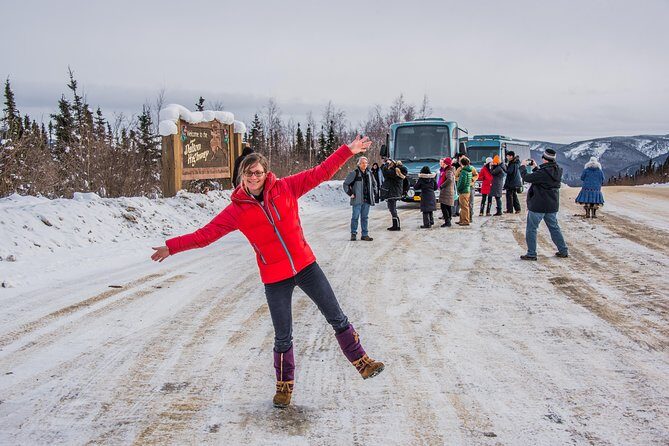
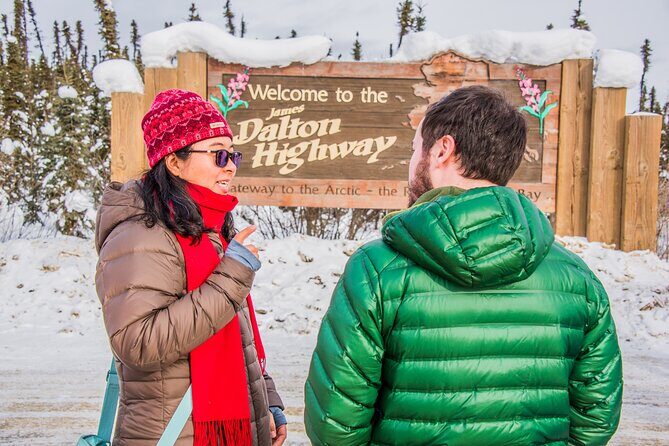
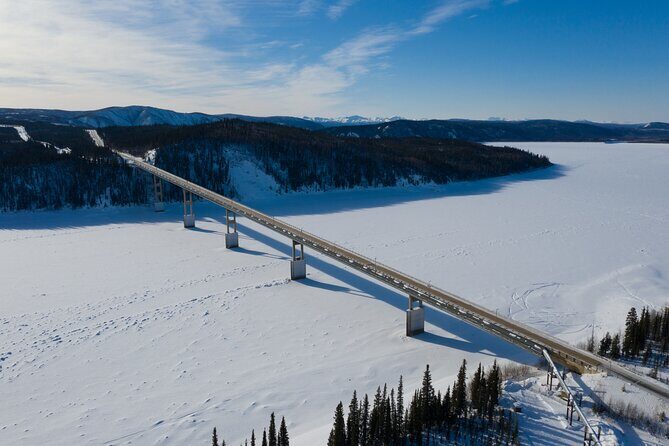
The main north-road energy is the Dalton Highway itself. This is Alaska’s “built for logistics” road, created to move goods toward the Prudhoe Bay oil fields. In winter, it becomes an “open sky” route where you can actually see how engineering and wilderness share space.
You’ll stop along the James Dalton Highway portion, but here’s the key: this experience does not go all the way to Coldfoot. You’ll still get out to experience the Arctic made accessible by the Dalton Highway—think short walks for photos, quick scenery stops, and that moment when the road feels like it ends and the horizon takes over.
One highlight you should plan around: the Trans-Alaska pipeline. Multiple guests mention seeing it from the road and that it’s even cooler when you’ve been given the story behind it. The pipeline isn’t just a long metal line in your photo—it’s a whole era of Alaska industry explained in context.
You’ll also pick up Yukon River scenery along the way. Even when you can’t stop at every vista, the guide can help you recognize what you’re looking at, so you’re not guessing.
Arctic Circle Trading Post: Short Stop, Meaningful Homesteading Stories
At the Arctic Circle Trading Post, you get about 20 minutes. That’s not a long browse time. The goal here is to give you a quick cultural break, learn a bit, grab a snack if you need one, and keep moving.
What makes this stop worthwhile is the theme: early homesteading in Alaska and how pioneers tried to forge a home in the middle of wilderness. In a day where you’re mostly focused on snow, road, and distance, this is a useful mental reset. It turns the Arctic from scenery into a place where people actually lived and adapted.
If you want shopping time, keep expectations modest. This stop works best for information and atmosphere, not for a full souvenir hunt.
A few more Fairbanks tours and experiences worth a look

Yukon River Camp Stops: Food Options, Bathroom Breaks, and Cold-Weather Relief

You’ll stop at the Yukon River Camp on the way north and again on the way south. The schedule includes about 1 hour 30 minutes connected with this stop area, giving you a real break for meals and getting out.
Here’s what to know about food: you can bring your own food, or purchase lunch/dinner at the camp. For many people, that’s a relief—hot food plus a chance to warm up. But if you have dietary restrictions, don’t count on the choices being broad. One review specifically warned that limited options can make things difficult, and that BYO snacks helps.
The camp also functions as a practical checkpoint: warm-up, bathrooms, and a chance to explore the river area. You’ll get time to step out and look at the Yukon River banks. Some guests even mention walking along the frozen river area, which is exactly the kind of “this is real now” moment winter travel is built for.
One small tip: if you care about comfort later, use the camp stop to refuel and reset your gear. Cold drains energy fast, and you’ll appreciate having done the snack-and-layers check before the drive continues.
The Arctic Circle Monument Sign: The Moment You Actually Earn
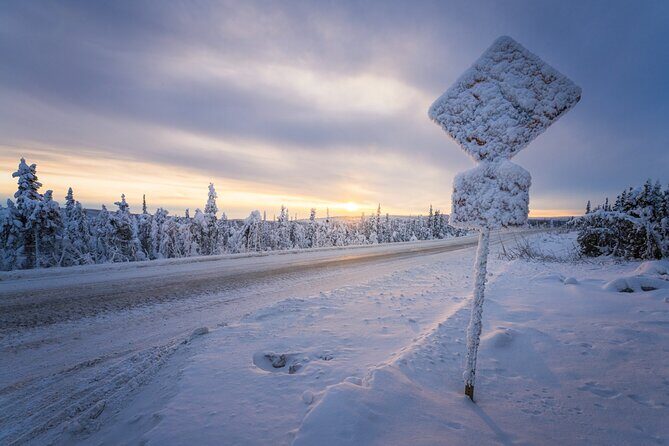
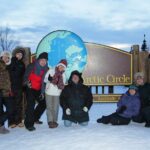
This is the centerpiece. The tour reaches the BLM Arctic Circle Monument Sign at Milepost 115 (about 200 miles north of Fairbanks). You’ll have about 30 minutes there, which is just enough time to take photos, feel the moment, and get the formal part of it done.
Every guest earns an official Arctic Circle certificate. That small paper is surprisingly satisfying because it turns a distant point on the map into something you completed in real life, with a name and a location attached.
Guests also mention a simple ceremony feel when arriving at the sign, and the overall vibe is usually focused: cameras out, people quiet for a minute, then right back to jokes and warmth. You’re crossing into the Arctic in winter—so expect cold to do most of the “audience participation.”
If you want the best photos, move quickly and dress for what’s actually happening: wind + snow + bright sky glare can be intense even when your phone battery is begging for mercy.
Aurora Borealis: How This Drive Can Still Find Light
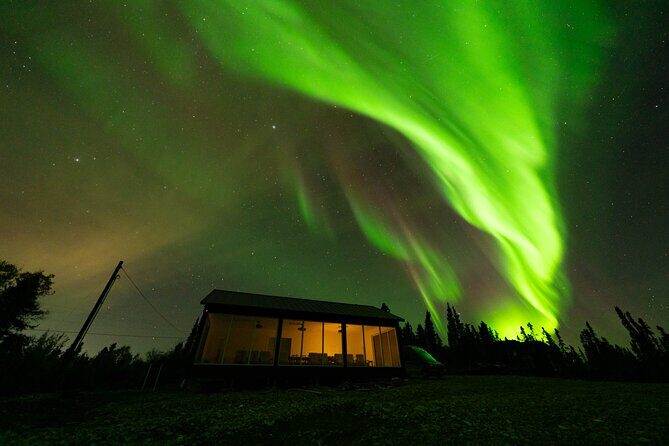
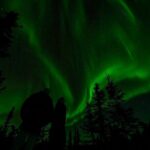
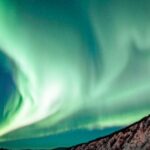
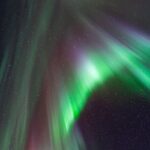
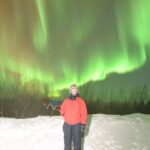
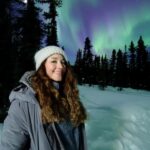
This is an Arctic Circle drive adventure, not a guaranteed aurora tour. Still, you can see why people love it: guides may spot aurora activity and adjust the plan when conditions allow.
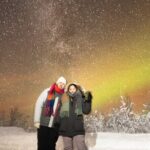
Multiple reviews mention guides trying hard to catch Northern Lights sightings, including an added viewing effort later in the evening. One guest described the guide making extra stops and even pausing for aurora photo opportunities. Another described trying for aurora later even though the first attempt didn’t pay off due to weather.
So here’s the honest takeaway: if aurora is your main goal, treat it as a bonus. But if you’re willing to wait, dress properly, and trust the guide’s judgment, your chances improve simply because the day keeps you positioned out where aurora might show.
If you do see the lights, it’s one of those “no photo can replace it” things. Not because the camera is broken—because your brain catches up to what you’re seeing a half second later, and that delay is the magic.
What the Tour Does Well: Guides, Storytelling, and Keeping You Moving
The most praised aspect across the experiences is the guide effort. Names like Tim, Will, Avery, Jamie, Mike, and Dan come up again and again, and the common thread is control: safe driving, clear explanations, and keeping the group engaged so the long road doesn’t become tedious.
You’ll also see repeated praise for practical tour flow: frequent stops, ample photo breaks, and the sense that the guide is actively managing the day rather than reacting to it. The bus is described as comfortable and warm, which is a big deal when your body already feels like it’s working overtime.
Even when the reviews disagree on one or two logistics points, they agree on the same core: the day is long, but the guide makes it worth it.
Price and Value: Is $299 a Fair Deal for the Arctic Circle Day?
At $299 per person, you’re paying for a guided long-distance winter drive, not just a bus ride to a sign. You also get live commentary, transportation, and the official Arctic Circle certificate. When you’re this far north, that guide support is practical: you’re choosing someone who knows the timing, the route, and how to keep a group safe in winter conditions.
You’re also buying convenience. Driving yourself means handling a lot of cold-weather risk and logistics on your own: vehicle prep, winter driving confidence, fuel planning, and figuring out where to stop and when. Here, those responsibilities are bundled into a day plan.
Where the value can dip is food. The price does not include food and drinks, and options at the camp may be limited depending on what you need. If you come prepared, you’ll keep costs under control and reduce stress.
Practical Tips Before You Book: What to Pack and What to Plan
This is a winter day in Alaska. Dressing wrong is the fastest way to make the trip feel longer than it is.
Bring layered winter gear that you can adjust during stops, and keep a spare pair of gloves if you tend to lose or soak them. Your hands and face take most of the punishment. Also plan for light conditions: even when it’s dark outside, bright snow glare can make photos tricky.
Cash can help. One review specifically suggested bringing cash to tip the guides, and many people appreciate having it ready even if you tip based on your own style.
Most importantly, food planning is not optional. If you have dietary restrictions, bring your own snacks and likely a small backup meal. If you don’t, you still benefit from packing extra bars, tea packets, or warm drinks for the road since you’ll be spending long stretches out there.
Who Should Choose This Tour (and Who Might Want Another Option)
This is a great match if you want a single-day Arctic Circle adventure without renting a vehicle or doing route planning. It also suits people who enjoy the “road trip” part of travel as much as the destination.
It’s also a good fit for families and mixed-age groups, since the tour includes guided storytelling and structured stops. Reviews frequently mention families enjoying the full day even with the cold.
The one group that should think twice: anyone who can’t handle long sitting time. Even with frequent breaks, the day includes extended driving.
Also consider your aurora expectations. If you need guaranteed Northern Lights, this isn’t described that way in the core tour concept. It’s more realistic to treat aurora as something you might catch if weather allows and your guide is watching the sky.
Should You Book the Arctic Circle Winter Drive Adventure?
If you want to check the Arctic Circle off your list in a way that actually feels like travel—snow, distance, stories, and the big “we’re really here” moment—this is a strong booking.
Book it if:
- You like road-trip pacing and photo stops, not just a quick sightseeing sprint
- You want an official certificate and a structured day plan
- You’re happy to follow a guide’s lead in winter conditions, including aurora chances if they happen
- You’re prepared to pack your food needs for a long Arctic day
Consider another option if:
- You’re sensitive to long hours on the road
- You rely on specific meals and don’t want to bring your own backup food
- You need guaranteed aurora, not a winter-drive possibility
FAQ
How long is the Arctic Circle Winter Drive Adventure?
The tour is about 16 hours (approx.).
Where does the tour start and end?
It starts at 3820 University Ave S, Fairbanks, AK 99709, USA, and ends back at the meeting point.
What’s included in the price?
It includes transportation and guide services, plus a driver/guide with live commentary on board.
What isn’t included?
The price does not include parking fees (paid at check-in), food and drinks, or hotel pickup and drop-off.
What is the check-in time window?
Check-in opens at 9:00 AM and closes at 9:15 AM. Arriving after 9:15 AM risks missing the tour.
Does this tour go all the way to Coldfoot?
No. The tour does not go all the way to Coldfoot.
Do I receive an Arctic Circle certificate?
Yes. When you reach the Arctic Circle Monument Sign at Milepost 115, you earn an official Arctic Circle certificate.
What happens if the weather is bad?
This experience requires good weather. If it’s canceled due to poor weather, you’ll be offered a different date or a full refund.
If you want, tell me your travel month and whether you care more about aurora or about road-trip scenery, and I’ll help you decide if this exact day format matches your priorities.