REVIEW · FAIRBANKS
North Pole Alaska: Guided Fairbanks Snowmobile Tour
Book on GetYourGuide →Operated by Rod's Alaskan Guide Service · Bookable on GetYourGuide
A snowmobile ride in winter feels like a different planet. This guided Fairbanks snowmobile tour out of North Pole, Alaska mixes real driving time with heated gear so you can focus on the view, not the cold. You pick single or double riding, get geared up on site, then follow trails matched to your comfort level.
I really like two things here. First, the setup is built for cold-weather survival: heated helmet, warm layers, gloves, boots, and even heated handgrips in the mix you’ll be using. Second, you get a confidence-building start: you practice with your guide before you’re sent onto the main trails, and the guide adjusts the pace based on skill.
One consideration: snowmobiling is not a casual stroll. If you’re driving, you need a valid driver’s license and you must clearly understand the safety instructions in English, and the tour requires good weather to run.
In This Review
- Key takeaways
- North Pole, Alaska: The Snowmobile Ride That Still Feels Wild
- The Gear Setup: Heated Comfort Beats Guessing
- Where You Start at Repp Road (And Why That Matters)
- Safety Brief and Practice Ride: Learning Before You Go Fast
- Riding Single or Double: How to Choose What Fits Your Group
- Trails Matched to Your Ability: Speed With a Safety Net
- Through Spruce Forests and Willows: The Best Part Is the Motion
- Wildlife Spotting: How to Actually Get a Moose Moment
- Price and Value for $175: One Hour, Done Right
- Who This Tour Is Best For (And Who Should Skip It)
- The Practical Downsides to Plan For
- Should You Book This Guided Fairbanks Snowmobile Tour?
- FAQ
- How long is the North Pole Alaska guided snowmobile tour?
- Where does the tour start?
- Do I need a driver’s license to drive the snowmobile?
- What equipment is included in the tour?
- What are the age and weight limits?
- Is the tour dependent on weather?
Key takeaways
- Heated helmet and layered gear help you stay comfortable even when it gets brutally cold.
- Practice ride first means you’re not thrown straight into fast trails.
- Trails match your ability so beginners still feel safe and confident.
- Wildlife spotting is part of the ride with chances to see animals like moose.
- Single or double riders lets you tailor the experience to your group.
- Equipment condition and guidance are repeatedly praised, with guides like Victoria, Josh, Andrew, and Will highlighted.
North Pole, Alaska: The Snowmobile Ride That Still Feels Wild
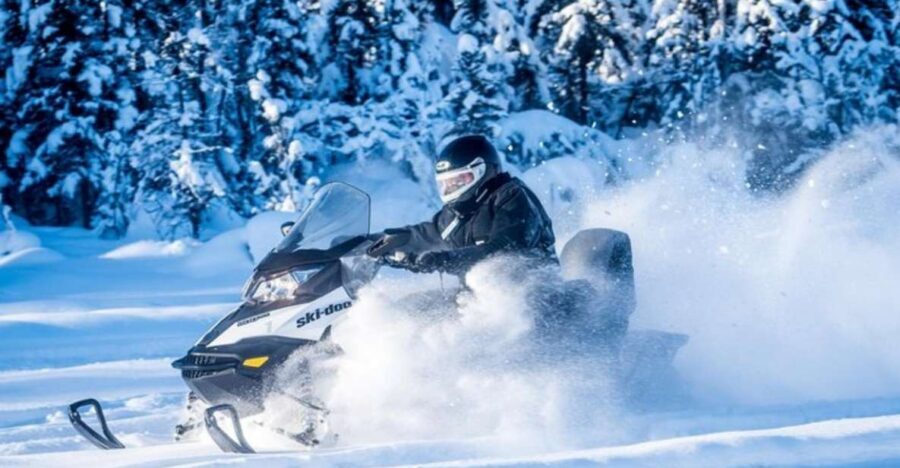
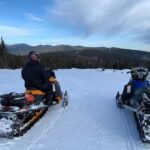
If your idea of Alaska is long views and snowy silence, this tour fits the vibe. You start from Rod’s Alaskan Guide Service in North Pole, then head onto winter trails through spruce forests and willows. The best part is that it’s not just scenic. It’s hands-on. You’re actually driving, learning the machine, and moving through the woods at winter speed.
For me, value here comes from the blend: guided riding plus the kind of gear that makes the experience practical. In cold weather, comfort is not a bonus. It changes how much you enjoy the ride. If your hands and head are warm, you look up more. You notice tracks, tree lines, and animals.
Keep one thing in mind: you’re riding on trails chosen to fit your ability. That’s great for safety, but it also means the experience can feel different depending on how you handle the machine. If you want full-throttle the whole time, you’ll have to communicate your comfort and trust the guide’s pacing.
Other snowmobile and snowmachine tours in Fairbanks
The Gear Setup: Heated Comfort Beats Guessing
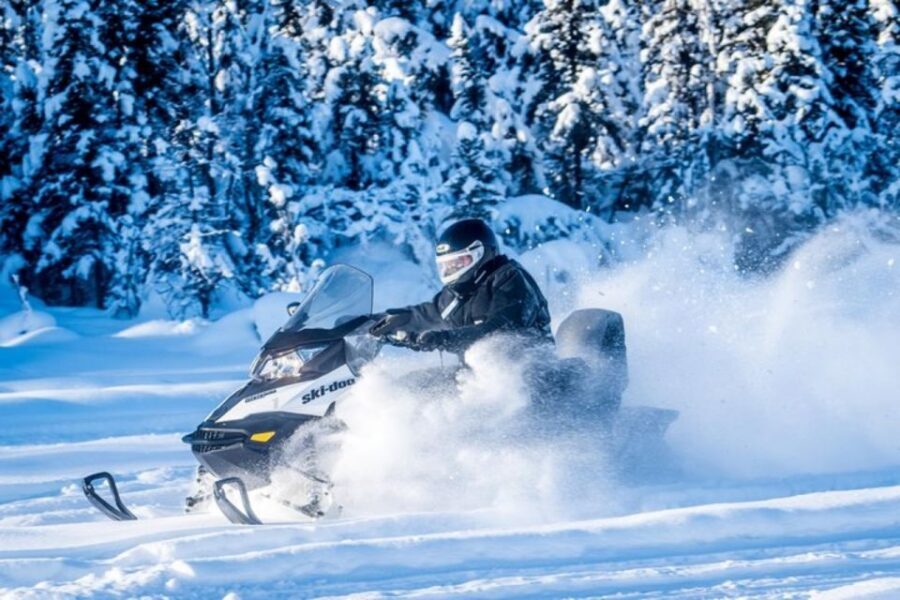
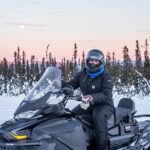
This is where the tour earns its money. You don’t show up in a random winter jacket and hope for the best. You get a full layer system designed for Alaskan cold: heated helmet, gloves, boots, snow gear, neck gator, bibs, and jacket. The goal is simple. Keep your core warm and protect your extremities so your body doesn’t turn the ride into a survival test.
In real cold, gloves and hand warmth matter more than people expect. One reason riders keep recommending this tour is that the gear is in excellent condition and stays effective. Several mentions point to heated components and the fact that boots and layers make a big difference, even in very low temperatures.
If you’re the type who always packs extra layers, you might still bring a spare base layer, but you likely won’t need to overcompensate. The provided gear is meant to work as a system. That also reduces stress the day of your ride. You’re not digging through luggage at the last second to find what might work.
Where You Start at Repp Road (And Why That Matters)
The meeting point is clear and specific: the end of Repp Road in North Pole, at Rod’s Alaskan Guide Service. There’s no hotel pickup or drop-off, so plan on getting yourself there on your schedule. This isn’t a deal-breaker, but it does affect how you organize your day.
Starting at one fixed location is actually a benefit for a tour like this. You avoid long road transfers and you get geared up with your guide right away. That means more time riding and less time shivering while waiting for transport.
Also, think about timing. The ride is only one hour, so every minute spent getting ready is part of the total experience. When the operation runs smoothly, the whole day feels more efficient.
Safety Brief and Practice Ride: Learning Before You Go Fast
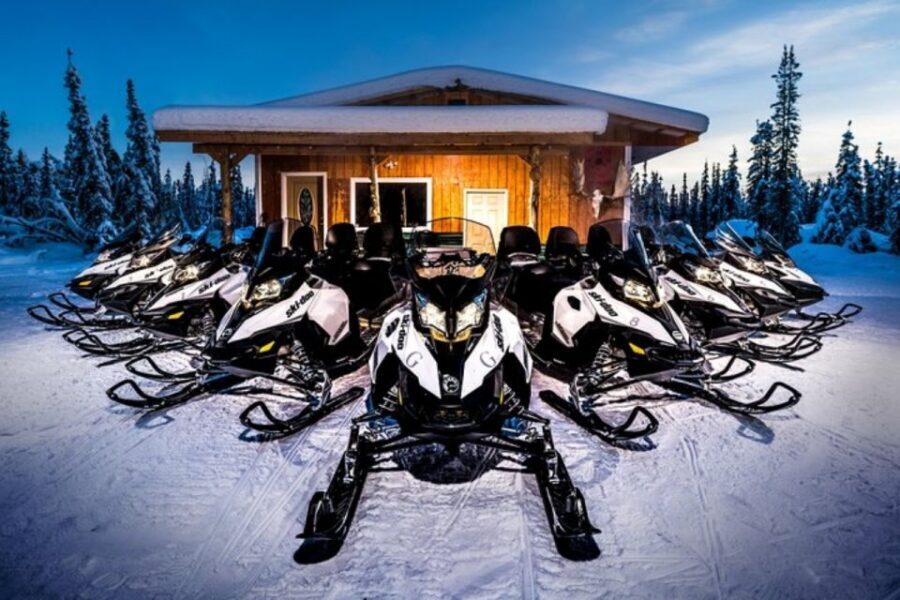
Before you drive, you get a safety brief and driving instructions from your guide. You’ll also do a practice ride on the snowmobile until you feel confident. This is a big deal, even if you’re an experienced driver. Snowmobiles handle differently than cars or motorcycles, and winter terrain changes everything.
There’s a particular kind of reassurance in this approach: you’re not learning in front of everyone on a high-speed stretch. You’re learning with your guide nearby, and the guide can gauge your comfort level early.
If you’ve felt nervous before gear-heavy outdoor activities, this tour’s structure helps. Riders describe a warm-up track that makes the machines feel manageable fast. You also get guidance on how to handle speed and control so you can enjoy the trails instead of fighting them.
One important rule: if you’re a snowmobile driver, you need a driver’s license and must be able to understand safety instructions in English. If that requirement isn’t met, refunds aren’t offered. It’s worth double-checking this well before the day of the tour.
Riding Single or Double: How to Choose What Fits Your Group
You can ride single or double, and that choice affects the whole vibe.
- Single rider: You get full control and full responsibility for your line through the trees. If you like independence and want to focus on your own driving, this is the straightforward choice.
- Double rider: If your partner or you want a more shared experience, it can feel calmer. You’ll still ride in a guided setup, but the machine’s dynamics and how you coordinate may feel different.
There are also limits. The maximum total weight for double riders is 300 pounds (140 kg). And the minimum passenger age is 5 years old. If you’re planning a family group, this matters.
If someone in your group is comfortable driving and someone isn’t, you may be able to match the trail difficulty more safely because the guide gauges driving ability. But the practical choice is still about what kind of attention you want to put into controlling the snowmobile.
Other North Pole tours in Fairbanks
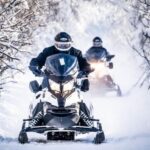
Trails Matched to Your Ability: Speed With a Safety Net
One reason this tour keeps getting recommended is that the guide doesn’t treat everyone the same. Trails are determined by your driving ability, and your guide gauges your skill level before moving you onto the main route.
That means a mixed group can still have fun. Riders who want slower pacing can often stay closer to the guide for extra care, while those who feel confident may be allowed to hang back less and go faster. Some riders even note the guide can adjust based on how the ride is going, so the trip doesn’t feel like a one-size-fits-all video montage.
In practice, this gives you a better chance of matching your expectations. If you come in thinking you’ll be cruising and sightseeing, you’ll likely get that. If you come in thinking you want speed, you still need to earn it through a safe start and clear control on the machine.
Also pay attention to how you feel after the practice segment. If you’re tense, tell the guide. It’s better to calibrate early than to force confidence.
Through Spruce Forests and Willows: The Best Part Is the Motion
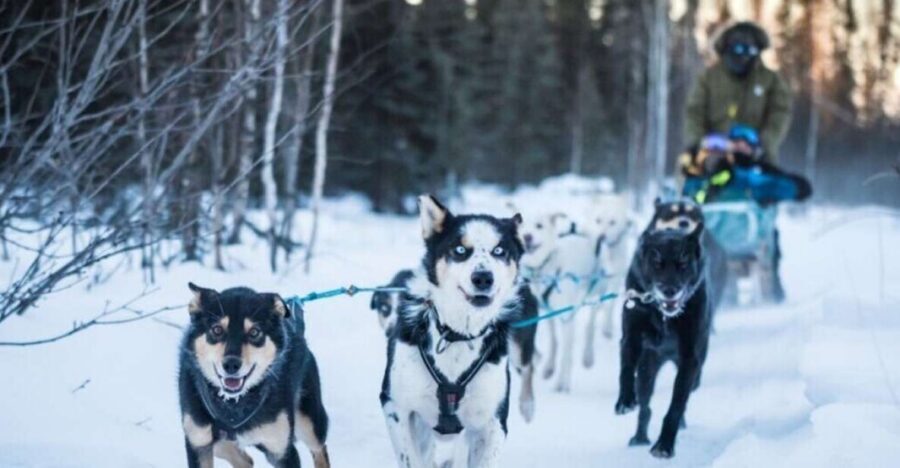
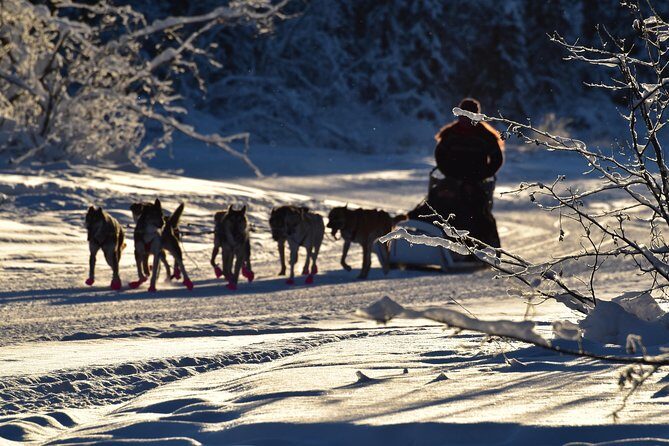
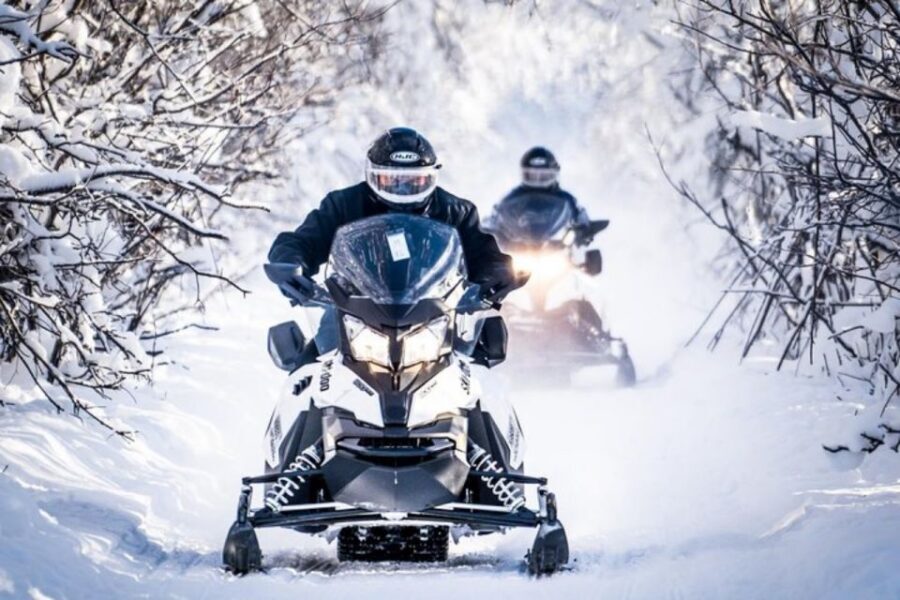
Once you’re ready, you head into Alaska’s winter wonderland: dense spruce forests and willows, with enough variety to keep the hour from feeling repetitive. Snowmobiles change how you experience the woods. You’re moving fast enough to feel the wind, but guided enough that you’re not constantly thinking about navigation.
This is where you get the fun mix: crisp air, winter light, and the sensation of being out there. Some riders describe getting up to higher speeds in stretches, and others talk about beautiful runs as the sun rises. Your exact experience depends on the day and conditions, but the atmosphere is consistent: it feels remote and real.
You should also expect chances to stop for photos. Several riders mention photo opportunities, and stopping matters more than you’d think. It gives you a clean moment to capture the scene before you’re back to driving and watching for wildlife.
Wildlife Spotting: How to Actually Get a Moose Moment
Wildlife is one of the big attractions. You keep an eye out while zooming through the wilderness, and moose sightings are specifically mentioned by multiple riders, including close encounters.
To improve your odds, treat wildlife like a shared activity: keep your eyes scanning, but listen for guide signals. Your guide’s job is to keep the ride smooth and safe, so when something looks promising, they’ll help you react the right way.
The reality: sightings aren’t guaranteed. But the tour’s setup puts you in the right kind of habitat and keeps the pace controlled enough for occasional animal spotting. When you do see something, the whole ride feels different. It’s no longer just scenery; it becomes a real moment in the wild.
Price and Value for $175: One Hour, Done Right
At $175 per person for a one-hour guided ride, you’re not paying for a long-day expedition. You’re paying for a high-impact, tightly run activity where equipment and instruction are handled for you.
The value equation looks like this:
- You’re paying for experienced guidance and instruction.
- You’re also getting complete gear that’s specifically designed for cold weather, including heated equipment.
- You get a safer learning curve with a practice ride before the longer trail portion.
If you tried to DIY this—renting machines, getting proper gear, and figuring out routes in winter—you’d spend money and time fast, and you’d still face safety risks. Here, the cost buys the framework that makes snowmobiling enjoyable instead of stressful.
The biggest “hidden” factor isn’t the money. It’s weather. This experience requires good weather, and if it’s canceled, you’re offered a different date or a full refund. Plan with flexibility.
Who This Tour Is Best For (And Who Should Skip It)
This is a great fit if you want:
- an hour of hands-on adventure without a full all-day commitment,
- guided snowmobile riding through real winter terrain,
- warm, included gear that makes it worth dressing for Alaska.
It’s also a good option for people who get nervous with machines. The practice ride and ability-based trails lower the pressure. Multiple riders explicitly mention feeling nervous at first, then relaxing quickly once they got the warm-up and guidance.
Who should skip:
- children under 5,
- pregnant women,
- people with back problems,
- people with heart problems,
- people with pre-existing medical conditions,
- people over 300 lbs (136 kg) (as noted for suitability limits).
If you’re bringing along a driver, remember the language rule too: drivers must understand safety instructions in English. That’s not a paperwork detail. It affects safety, and it affects whether the tour can go forward.
The Practical Downsides to Plan For
Every winter activity has tradeoffs, and snowmobiling is no exception.
- No hotel pickup: you’ll need your own way to the meeting point at Rod’s Alaskan Guide Service near North Pole.
- Short duration: one hour goes fast, especially if you stop for photos or spend time spotting wildlife.
- Weather dependent: if conditions aren’t good, the tour may be rescheduled or refunded.
- Driver requirements: driver’s license and English understanding are essential, and refunds won’t be issued if you don’t meet them.
If you’re okay with those points, you’ll probably find the tour efficient and fun rather than frustrating.
Should You Book This Guided Fairbanks Snowmobile Tour?
I’d book this tour if you want a guided snowmobile experience that prioritizes comfort, safety training, and time actually riding. The heated gear is a big reason, and the practice-first approach makes it feel welcoming even if you’re not a hardcore snowmobile person.
I’d think twice if you:
- need your hotel picked up and dropped off,
- are unsure about driver language/safety comprehension requirements,
- have medical or mobility limits listed as not suitable,
- or you’re planning this as a rigid, non-flexible part of your schedule.
If your priority is one hour of real winter driving, out of North Pole with a guide who matches trails to your ability, this is a strong bet. Bring a calm mindset, listen during the safety briefing, and you’ll come back with that Alaska feeling that stays with you.
FAQ
How long is the North Pole Alaska guided snowmobile tour?
It runs for 1 hour of riding time with the tour structure that includes gearing up, a safety orientation, and a practice ride.
Where does the tour start?
The meeting point is at the end of Repp Road in North Pole, at Rod’s Alaskan Guide Service.
Do I need a driver’s license to drive the snowmobile?
Yes. All snowmobile drivers must have a driver’s license and be able to clearly understand safety instructions in English. Refunds are not issued if requirements are not met.
What equipment is included in the tour?
The tour includes all equipment, including a heated helmet, snow jacket, snow bibs, neck gator, boots, and gloves.
What are the age and weight limits?
The minimum passenger age is 5 years old. For double riders, the maximum total weight is 300 pounds (140 kg).
Is the tour dependent on weather?
Yes. This experience requires good weather. If it’s canceled due to poor weather, you’ll be offered a different date or a full refund.