REVIEW · FAIRBANKS
1/2 Day Fairbanks Fishing Trip W/ transportation
Book on Viator →Operated by Reel Alaskan Adventures · Bookable on Viator
Cold rivers. Quick lessons. Real fishing country.
I like how this half-day trip gets you out of town fast with pickup options and a small group cap of 8, so you spend more time on the water and less time sorting logistics. I also like that you get all the core fishing stuff included—waders, boots, rods/reels, and flies or lures—plus hands-on help, whether you want fly fishing or spin casting. The one drawback to plan for: you still need an Alaska sport fishing license ($15 per person), and on slower bite days you may leave with memories more than a tackle box full of trophies.
This is a guided wade-fishing style outing based around state-park river fishing near Fairbanks. Expect a true “learn and try” day, with flexibility depending on season and water conditions, and a guide who will keep working the water and helping you improve fast. The half-day format usually runs about 4–5 hours, and you’ll get a small snack and water, not lunch.
In This Review
- Quick hits
- Fairbanks half-day fishing: why 4–6 hours feels like the sweet spot
- Pickup, timing, and the smooth start from Olnes Pond Campground
- Lower Chatanika State Recreation Area: where the guide hunts for the bite
- What to realistically expect on a half-day
- Gear and waders included: the part that saves you money and stress
- Fly vs spin casting: who this helps and how the guide coaching usually plays out
- The fishing day vibe: scenic, focused, and wildlife-friendly
- Price and value: what $185 gets you (and what costs extra)
- What to pack for Fairbanks wading: don’t fight the cold
- Who should book this fishing trip, and who might want something else
- Should you book Reel Alaskan Adventures half-day fishing in Fairbanks?
- FAQ
- How long is the half-day fishing trip?
- What time does the trip start, and where does it end?
- Do I get pickup in Fairbanks?
- What fishing gear is included?
- Do I need a fishing license?
- What kinds of fish are in the Lower Chatanika area?
- Can I fish if I’ve never fished before?
- What if weather is bad?
- Is there a physical fitness requirement?
Quick hits
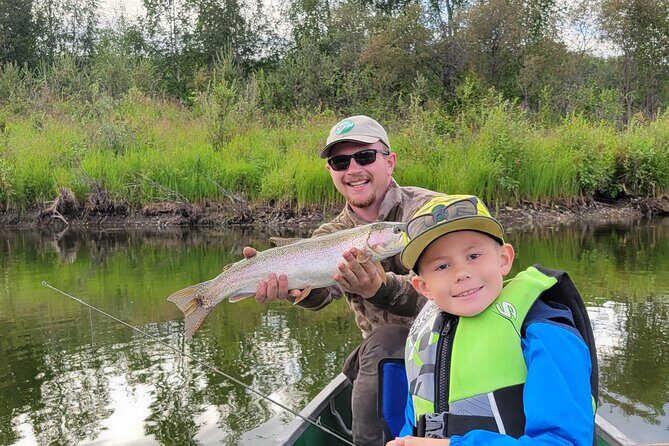
- Pickup available from your hotel or other park and pick-up locations around Fairbanks
- Small group max of 8 travelers, so you’re not lost in the shuffle
- All gear included: waders/boots, rods/reels, and flies or lures
- Lower Chatanika State Recreation Area fishing for species like grayling and northern pike
- Fly or spin casting, with coaching for all skill levels
- Good weather required, and you’ll either be moved to another date or refunded if conditions don’t cooperate
Fairbanks half-day fishing: why 4–6 hours feels like the sweet spot
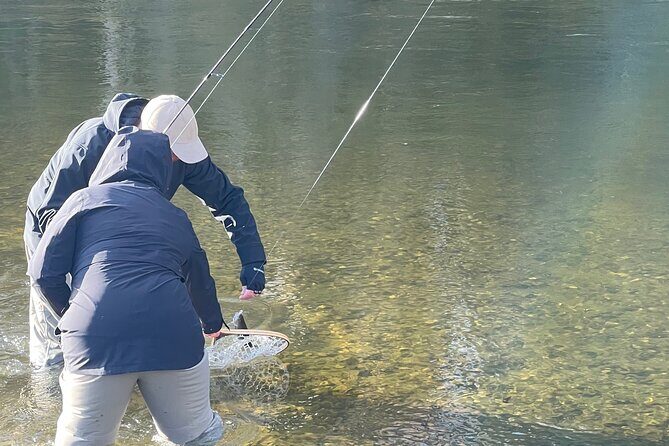
A half-day trip is the smart move if you want Alaska outdoors without turning your day into a whole production. You get a start time of 9:00 am, and the trip is designed to land you on the water and keep things moving, typically in the 4–5 hour range.
What makes the timing work is the way the day is built around wade fishing. That style means you can fish actively—walk to a promising spot, set up, try a few approaches, and then shift when the bite slows. Instead of spending your best hours driving all day or standing around, you’ll be doing the work, with a guide staying close enough to help you adjust.
This is also the kind of trip where you can go in with zero confidence and still leave having learned a real skill. The guides provide personalized help, and they’ll support both fly fishing and spin casting. If you’ve never cast before, you’re not expected to magically “figure it out” on your own.
Other ice fishing trips in Fairbanks
Pickup, timing, and the smooth start from Olnes Pond Campground
You’ll start at Olnes Pond Campground, Mile 10.5, Old Elliott Hwy, Fairbanks, AK 99712, and the trip ends back at that meeting point. The key detail for your day planning: you can also be picked up from a hotel or other listed park and pick-up spots.
That matters because Fairbanks can eat time if you’re driving yourself while also trying to get organized for cold-water fishing. With pickup, you can focus on the essentials: layers, gloves, and your license.
Duration is listed as 4 to 6 hours (approx.), and a half-day is usually 4–5 hours. In practical terms, you’re getting a real morning outing, not a “quick demo.” If you’re trying to fit fishing into a packed itinerary, this format is easier to slot than full-day trips.
Group size stays under control too. With a maximum of 8 travelers, the guide can still give real attention, instead of handing you a rod and disappearing for an hour.
Lower Chatanika State Recreation Area: where the guide hunts for the bite
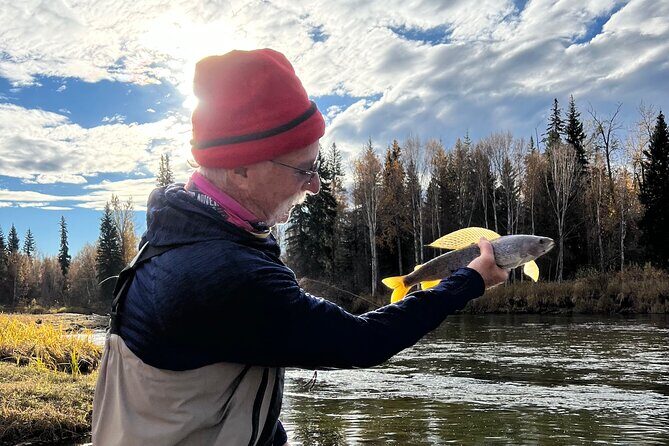
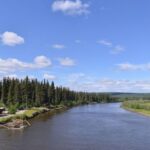
Most of the action on this outing centers on Lower Chatanika State Recreation Area, based on the water conditions and season. This is river-country with clearwater stretches, and it’s set up for wading, not boat fishing.
Fish that can be part of the day include:
- Grayling
- Burbot
- Humpback whitefish
- Northern pike
- Sheefish
There’s also a seasonal note worth knowing. In late July through October, there can be runs of king, silver, and chum salmon in the broader area. But the trip also notes that fishing may be closed during those salmon periods due to low returns. In other words: don’t build your whole hope around a single species, because regulations and conservation timing can change what’s available.
The setting itself is a big part of the value. You’re fishing in a place with the kind of Alaska wildlife that makes you look up between casts: black and brown bears, moose, wolves, river otters, and beavers are all listed in the area.
If you’re hoping for the thrill of seeing how a guide reads water, this stop is built for it. The guide’s job isn’t just casting. It’s picking spots where fish are likely to move, then adjusting when the bite doesn’t show up right away.
What to realistically expect on a half-day
A half-day gives you momentum, but it doesn’t guarantee action every hour. Some days are about landing a fish or two. Other days are about learning the technique and walking away with a better understanding of where fish should be.
This is exactly where the “guided” part matters. The best days come from the guide putting you in the right zone and sticking with you as you learn what to change—casting angle, lure/line choice, where you’re standing, and how you manage snags.
Gear and waders included: the part that saves you money and stress
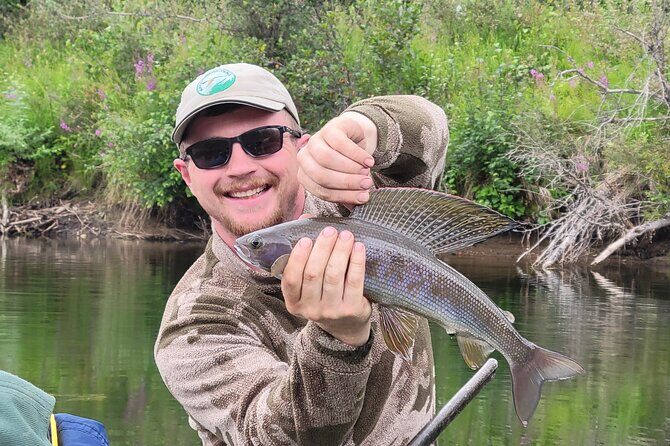
This trip includes all the core fishing setup you’d normally have to solve on your own. That means rods/reels, flies or lures, and wading gear are provided. There’s also snacks and water supplied—plus a small bag of chips or similar snacks.
For cold-weather fishing, gear support is the difference between a fun day and a frustrating one. Wading gear isn’t just comfort. It helps you stay steady while you concentrate on casting and reading the water.
You should still bring your own snacks if you want extra food during the trip. The day includes a small snack/waters, but it’s not lunch. If you tend to get hungry on long walks or in cool temps, pack light snacks in addition to what’s provided.
One more money-saver: you’re not paying for rentals or sourcing fly boxes last-minute. The only add-on fee called out is the Alaska sport fishing license.
A few more Fairbanks tours and experiences worth a look

Fly vs spin casting: who this helps and how the guide coaching usually plays out
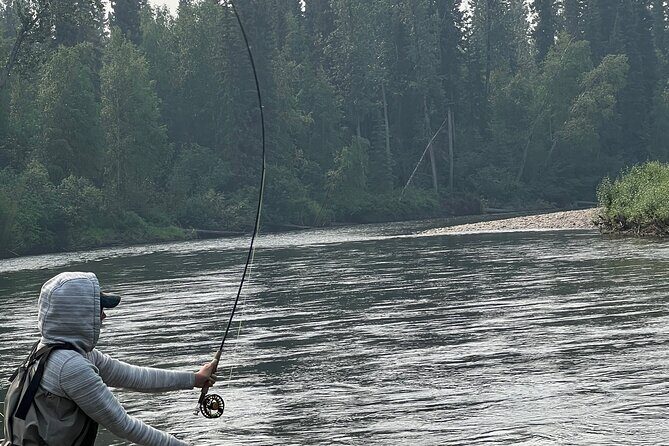
You get both options: the trip offers fly fishing and spin casting, and the guides help you with technique. That’s huge if you’re unsure which style you want to try, or if you’re traveling with someone who has a preference.
What “coaching” means in real life on a wade fishing day is practical, not theoretical. You need help with how to cast around rocks and trees, how to avoid tangles, and how to adjust when your first few tries aren’t smooth. The trip is built for all skill levels, and the guide support is clearly part of the value proposition.
If you do get a guide like Jake Barrette (he’s specifically mentioned in multiple experiences), the emphasis you’ll likely feel is patience and movement. Even if bite time is inconsistent, the guiding approach focuses on getting you to fishable spots and staying engaged with each person.
You’ll also be out there long enough to get a real sense of the learning curve. With only a half-day, you won’t master everything. But you will understand what to try next time.
The fishing day vibe: scenic, focused, and wildlife-friendly
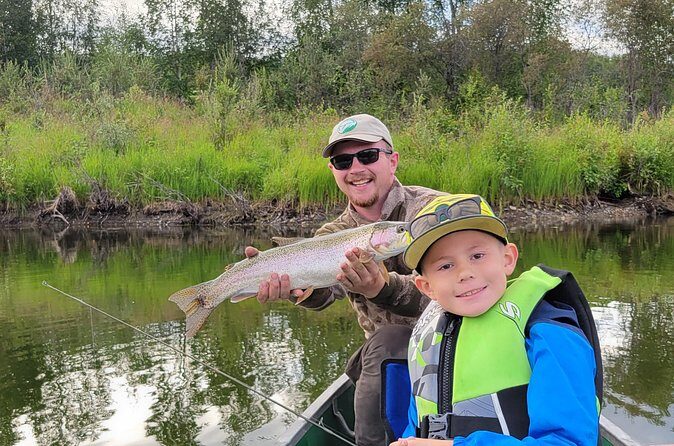
The Lower Chatanika area is described as scenic and peaceful in the way that matters for your experience. You’re not stuck in a busy staging area. You’re walking into the day, casting, and taking in the river-country calm.
That calm can be interrupted by the real Alaska part: cold, wind, bugs, or rain can show up. The good news is that the trip is built around being outside and learning on the water. If the weather isn’t great, it doesn’t automatically mean the day is a bust—just expect you might need warm layers and practical rain protection.
Wildlife is part of the setting, and you may see animals while you’re fishing. That’s one reason a guide’s local familiarity helps. When people stay quiet and pay attention, it’s easier to notice movement and understand what’s happening around you.
Also, with a small group, you’re less likely to feel like you’re sharing the same narrow strip of river with too many people. You can spread out a bit more, which helps both comfort and fish-finding.
Price and value: what $185 gets you (and what costs extra)
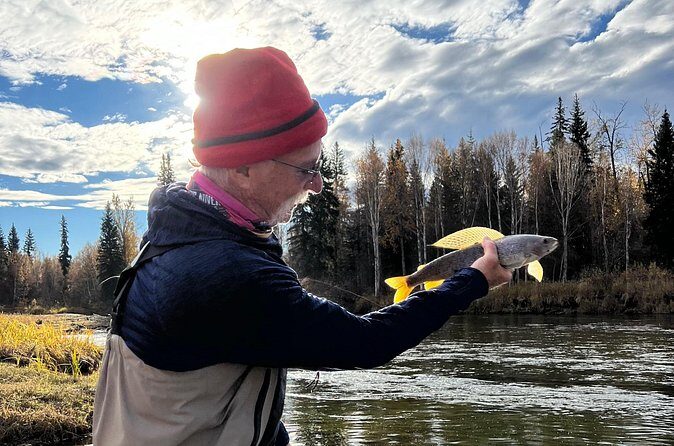
At $185.00 per person, this half-day trip isn’t a budget gimmick, but it also isn’t priced like a private expedition. The value comes from three big things you don’t have to solve separately:
- Guiding and local help throughout the fishing time
- All necessary gear included, including waders and flies/lures
- Transportation pickup options so you’re not spending your morning driving and parking
The cost is also easier to justify when you factor in cold-weather logistics. Waders, boots, and a proper setup can be a hassle for visitors. Here, that piece is handled for you.
There is one clear extra cost: the Alaska Sport Fishing License is $15.00 per person. Plan for that in your total trip math.
When I look at value like this, I use a simple test: will you still have fun if you don’t catch a lot of fish? In this format, you’re guided, you’re learning, and you’re in an Alaska river setting for several hours. Even on a slow bite day, that tends to make the trip feel worthwhile.
What to pack for Fairbanks wading: don’t fight the cold
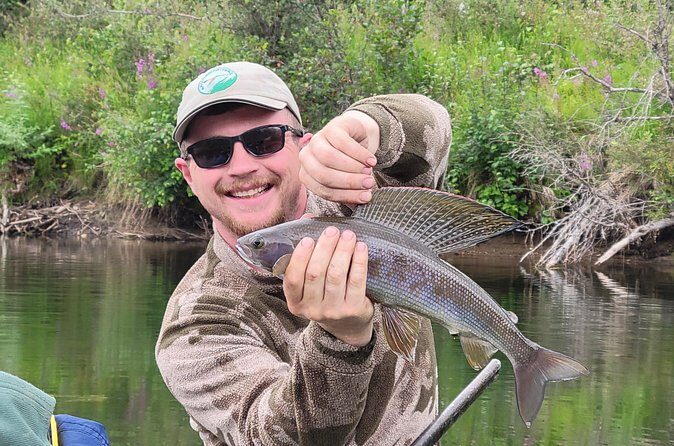
Because this is a wade fishing trip, comfort is everything. The trip includes waders and boots, but you’ll still need your own layers to stay warm and dry enough to concentrate on casting.
Here’s what I suggest you bring, based on what cold-water wading usually demands:
- Warm base layers and a mid-layer you trust
- A windproof outer layer or rain shell
- Gloves you can still cast and feel line through
- Sunglasses (even in shoulder seasons) to help with glare off the water
- Light snacks in addition to the included snack and water
Also plan for physical effort. The trip notes moderate physical fitness is recommended. Wading takes balance and leg strength, especially if you’re learning foot placement while also trying to fish.
Who should book this fishing trip, and who might want something else
This trip fits best if you want:
- A guided outdoors day in Fairbanks without a full-day commitment
- Real instruction for fly or spin casting
- A smaller group setting that keeps your guide attention close
- Included gear that removes a big chunk of hassle
It’s also a solid choice if you’re traveling with a mixed group—someone who’s brand new and someone who has cast before—because the day is described as open to all skill levels and abilities.
Who might consider another option: if you’re looking for guaranteed big catches, a half-day wade trip will always have some uncertainty. It’s fishing. Some days are better than others.
Still, the guiding style here is designed to help you stay active and try new spots. That’s the difference between feeling stuck and feeling like you’re getting chances.
Should you book Reel Alaskan Adventures half-day fishing in Fairbanks?
I’d book this if you want a practical, small-group fishing outing where the hardest parts—waders, gear, and coaching—are handled for you. At $185, the trip makes sense especially because you get transportation pickup options, the core tackle, and enough time on the water to learn something real.
I’d hesitate only if you’re not willing to handle basic wading effort or if you’re only coming for one specific species. The rivers can be fantastic, but bite times vary, and there’s also a note that salmon fishing may be closed during certain periods due to low returns.
If you want a confident Alaska experience with less guesswork, this is a good bet. You’ll spend the day outside, learning to fish properly, and soaking up the quieter side of Fairbanks river life.
FAQ
How long is the half-day fishing trip?
The experience is listed as 4 to 6 hours (approx.), and a half-day trip is usually 4–5 hours.
What time does the trip start, and where does it end?
The start time is 9:00 am. The activity ends back at the meeting point.
Do I get pickup in Fairbanks?
Yes. A guide can pick you up from a hotel or from other park and pick-up locations around the area.
What fishing gear is included?
The trip includes all necessary fishing gear, including rods/reels, flies or lures, and wading gear. Snacks and water are also included.
Do I need a fishing license?
Yes. You need an Alaska Sport Fishing License, listed at $15.00 per person, and it is not included.
What kinds of fish are in the Lower Chatanika area?
The area includes fish such as grayling, burbot, humpback whitefish, northern pike, and sheefish. A late July through October salmon run is mentioned, but fishing may be closed due to low returns.
Can I fish if I’ve never fished before?
Yes. The trip is open to anglers of all skill levels, and the guides provide help with fly fishing and spin casting.
What if weather is bad?
This experience requires good weather. If it’s canceled due to poor weather, you’ll be offered a different date or a full refund.
Is there a physical fitness requirement?
It notes travelers should have a moderate physical fitness level, since the trip involves wading and time outdoors.