REVIEW · FAIRBANKS
8-12 Hour Private Arctic Circle Experience in Alaska with Lunch
Book on Viator →Operated by Basecamp Adventures · Bookable on Viator
The Arctic Circle is closer than you think. This private Dalton Highway outing is built for people who want real Interior Alaska time, with a guide who stays with your group and steers the day based on what you care about—wildlife, photos, and stories along the way. I especially like the fully private, customized format and the chance to scan for iconic animals like moose and wolves on the drive.
One thing to calibrate up front: the Arctic Circle moment is short and photo-focused, so if you’re expecting a long, wildlife-heavy stop at the sign, you might feel shortchanged. Long daylight and weather help, but wildlife isn’t guaranteed.
In This Review
- Key things to know before you go
- Dalton Highway in private: what this day is really like
- Price and value: $449.50 per person adds up, but here’s why it might work
- Getting started in Fairbanks: pickup, timing, and the feel of a private day
- Stop 1: Yukon River time—big water, big Alaska stories
- Stop 2: Trans Alaska Pipeline—up close, with context
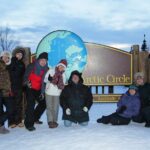
- The Arctic Circle sign: quick photos, real bucket-list payoff
- The drive north: where the wildlife and stories live
- Basecamps and breaks: why short stops matter on long rural drives
- Lunch included: what to plan for on a long day
- What to wear and pack for the Arctic Circle day
- Wildlife expectations: how to think about “seeing things” on the Dalton Highway
- Who this private Arctic Circle tour suits best
- Weather and changes: plan for flexibility
- Should you book this private Arctic Circle experience?
- FAQ
- How long is the Arctic Circle private experience?
- What time does the tour start in Fairbanks?
- Is pickup offered?
- Is this tour private?
- What wildlife might I see?
- Are there admission costs at the stops?
- Is lunch included?
- What’s the price per person?
- What happens if the weather is poor?
Key things to know before you go
- Private guide, customized pace: Your guide’s attention stays on your group, and they respond to what you want to see.
- Yukon River + pipeline stops: You get planned photo/view time at two big Alaska icons before heading north.
- A quick Arctic Circle sign visit: Expect pictures and a quick look, not a full day of sightseeing at the sign.
- Wildlife scanning is the main event: Moose, caribou, wolves, and ptarmigan may show up along the route.
- You might catch Denali on the return: Some guides time views when conditions allow.
- Lunch is included: You’ll eat during the long day so you’re not managing food stops out on the highway.
Dalton Highway in private: what this day is really like
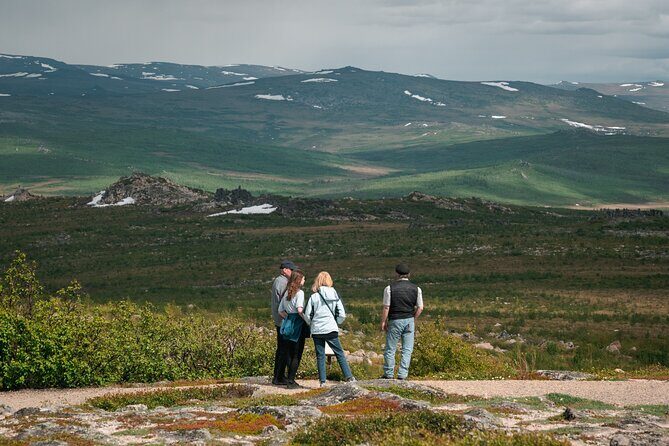
This is a private Arctic Circle experience out of Fairbanks with pickup offered and a mobile ticket. Start time is 9:00 am, and the day runs about 8 to 12 hours depending on conditions and what you do along the route. The operator is Basecamp Adventures, and the big idea is simple: you trade crowds for time with one focused driver-guide out on one of Alaska’s most famous highways.
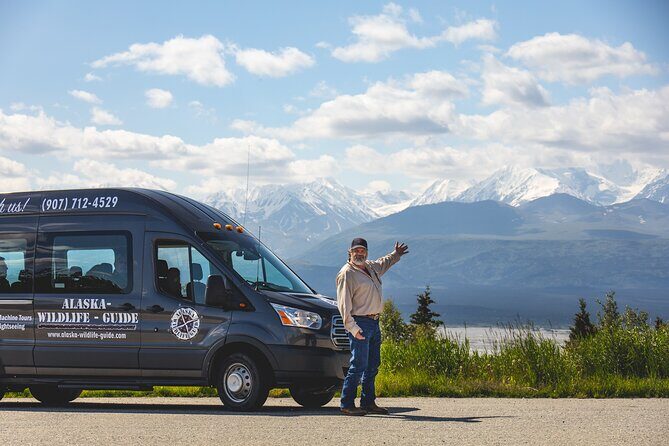
What you’re buying here is not just a destination. You’re buying a guided long drive with frequent chances to stop, look, and learn. Guides on this route spend years driving the Dalton Highway, so the day tends to feel calm and organized instead of rushed. And because it’s private, you’re not stuck with a group’s agenda when you’d rather spend extra minutes scanning a roadside area for movement.
Other Arctic Circle tours in Fairbanks
Price and value: $449.50 per person adds up, but here’s why it might work
At $449.50 per person, this isn’t a budget excursion. For two people, you’re looking at roughly $899 total (before any extras like the Arctic Circle sign admission, which is noted as not included). So you should ask yourself: do I value a dedicated guide and a personalized day enough to pay for it?
Here’s where the value can make sense. First, private time means your guide can adjust stops and pacing to your interests—especially wildlife and photography. Second, the itinerary includes major Alaska landmarks: the Yukon River and the Trans Alaska Pipeline. Those aren’t “drive-by” points; they’re planned for viewing time. If you’re the type who likes learning as you travel—why something matters, what to notice, and how life works out here—this format can feel worth it.
If you’re traveling alone or on a tight budget, the price can feel heavy. But if you’re going for a bucket-list drive with a guide who talks history and wildlife while you roll north, the cost is closer to buying a service than buying a ticket.
Getting started in Fairbanks: pickup, timing, and the feel of a private day
The tour begins at 9:00 am. Pickup is offered, which matters because the logistics of long rural drives are easier when someone else handles the start. Private also means there’s less stress about meeting a moving target; your driver-guide coordinates with your group.
Because this is an 8–12 hour day, you’ll want to treat it like a full outing, not a quick trip. I’d plan your morning like an event: eat something solid before pickup if you can, and keep your phone charged for photos at the river and sign stops. The mobile ticket helps at check-in, but your real focus should be the day ahead: the drive itself is a major part of the experience.
Stop 1: Yukon River time—big water, big Alaska stories
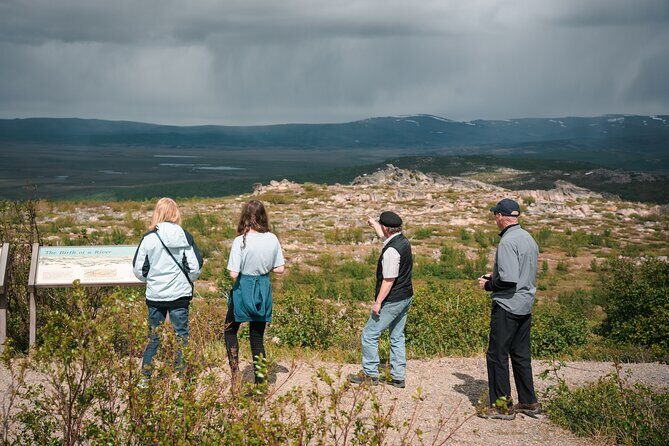
The first planned stop is the Yukon River, with about 30 minutes and admission ticket free. The Yukon is over 2,000 miles long, running from the Canadian sub-arctic through Alaska and onward toward the Bering Sea. That length matters because it makes the river feel less like a local feature and more like a continent-spanning system.
At this stop, you’re likely to get what makes sense for most river viewpoints: time to look, time to photograph, and time for your guide to connect the dots between what you’re seeing and the scale of Alaska and the North. It’s also an early moment that helps you start paying attention to what the country is like—weather, vegetation, and the way wildlife uses water.
If you love quick, purposeful stops, this one tends to fit. If you were hoping for a long hike along the river, you might find 30 minutes short. But for a full Arctic Circle day, it’s a smart use of time.
Stop 2: Trans Alaska Pipeline—up close, with context
Next comes the Trans Alaska Pipeline stop, about 20 minutes with admission ticket free. The pipeline is described as spanning Alaska from Prudhoe Bay to Valdez, over 800 miles, moving crude oil across the state. That’s a mind-bending distance. Even when you know the basic facts, seeing the scale in person can make the story land differently.
This stop works best if you enjoy practical explanations. A good guide will connect why the pipeline exists, what it does, and what it means for remote communities. If you’re hoping for a deep technical tour, this is more about getting oriented and understanding the big idea, not a full engineering lecture. Some people will leave with a clearer picture simply because the drive provides the context.
I’d treat this stop as a focused checkpoint: short time, high relevance, and a chance to ask your guide questions before you head further north.
Other private tours in Fairbanks


The Arctic Circle sign: quick photos, real bucket-list payoff
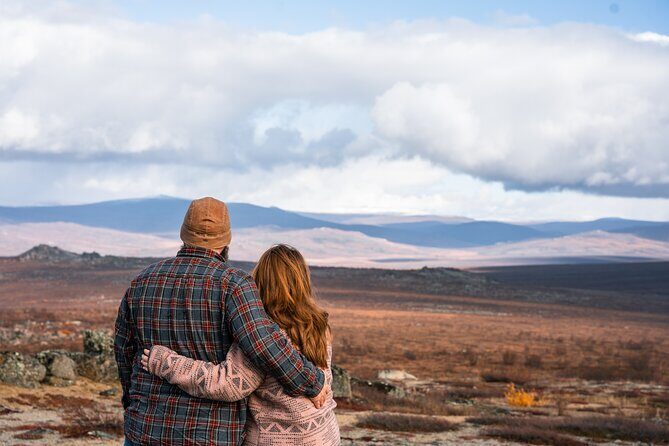
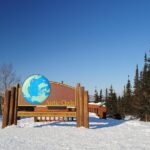
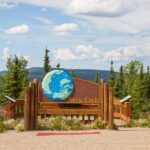
Then you hit the Arctic Circle sign for about 10 minutes. Photo time is the main goal here, and admission isn’t included for this stop. That short window is the clearest “expectation mismatch” risk on the whole itinerary. If Arctic Circle is your dream destination and you think you’ll spend hours there, this part may feel too brief.
But if you approach it like a photo-and-meaning moment, it can be satisfying. Ten minutes is just enough time to get the shot, take in the surroundings, and mentally mark the achievement. This is also a good moment to ask your guide practical questions while you’re stopped—wildlife patterns, how guides look for animals, and what to watch for on the drive back.
The main trick is to want the whole day, not only the sign. In the best version of this experience, the sign is just the waypoint while the Dalton Highway drive does the heavy lifting.
The drive north: where the wildlife and stories live
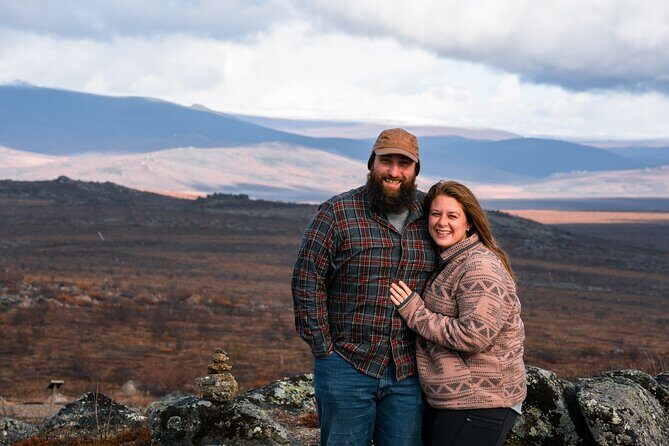
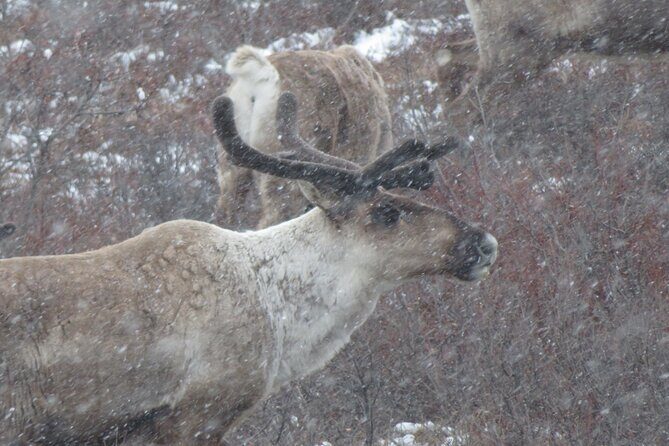
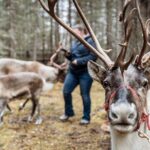
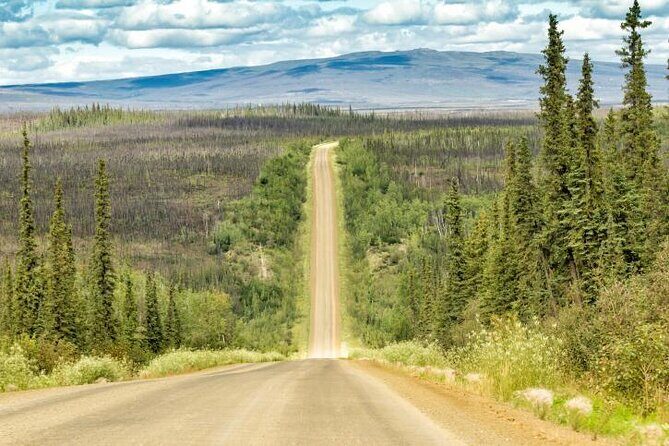
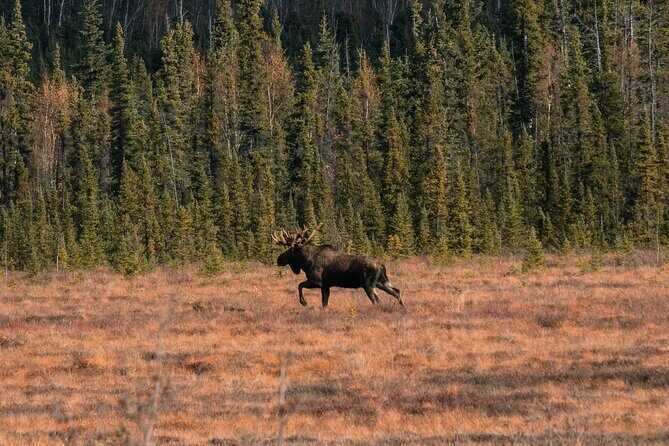
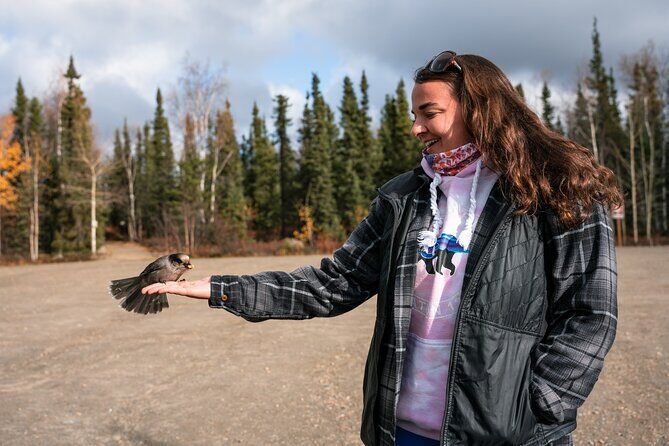
After the planned checkpoints, the big phase begins: the experience of the farthest north highway, with your guide pointing out what they notice along the route. This is where you’re most likely to see animals—moose, wild caribou, wolves, and the Alaska state bird, the ptarmigan. The guide also shares information about plant life and other features you see, plus stories about remote Alaska.
This is the part you should treat as a “scan-and-possibly” situation. Wildlife sightings depend on conditions and timing, and a long drive can go either way. Some days feel full of sightings, while other days feel quiet. That doesn’t mean the drive isn’t worth it; it means your expectations should be flexible.
One reason private helps: a guide who’s focused on your group can adjust how you stop, how long you pause, and how you reposition for a better view—when wildlife does show up. And if wildlife doesn’t show, their narration and interpretation still give you something to experience beyond the view through the windshield.
I also like that guides here often bring local context into the story. In examples like David and Paul, you can see how guide narration can turn a long road into an education about ecosystems and Alaska history—while still leaving room to ask questions in the moment.
Basecamps and breaks: why short stops matter on long rural drives
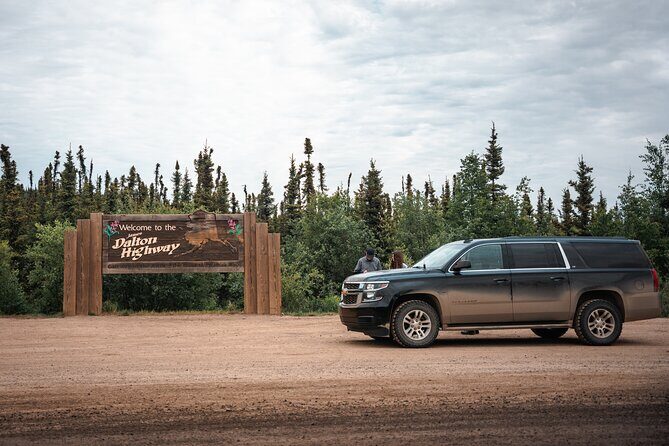
Some versions of this day include time at basecamps—including mention of Boreal base camp—as part of the route experience. Think of these breaks as practical resets: stretch your legs, warm up or cool down a bit, and regroup for the next stretch of highway.
Even when you’re not doing anything “big,” these pauses help you stay mentally fresh for the next wildlife scan. On an all-day drive, that matters. You’re not just watching scenery; you’re watching for movement, subtle changes, and the kind of wildlife that doesn’t always announce itself.
Lunch included: what to plan for on a long day
Lunch is included in this experience, but the provided details don’t specify where it happens or the exact style of meal. So plan like this: treat lunch as your main break in the middle of the day, and don’t assume you’ll find easy food stops during the remote stretches.
Bring whatever you need to be comfortable while you wait—water if you’re the type who drinks steadily, and snacks if your stomach runs on a schedule. Even with lunch included, long rural drives can stretch your routine. If you’re a photographer, remember that lunch planning also affects when you might get the best light for photos.
What to wear and pack for the Arctic Circle day
The tour requires good weather, which tells you the outing is at the mercy of the sky. That also means you should dress for changing conditions. Even without exact temperatures listed, you’ll be outside during pull-offs and photo stops, and you’ll likely get out of the vehicle more than once.
My practical packing list:
- Layering clothes you can add or remove fast
- Warm outer layer for roadside stops
- Gloves and a hat you don’t hate wearing for hours
- Sunglasses (light can bounce off snow and open ground)
- Charged phone/camera for quick Arctic Circle sign photos
- A thermos or water plan for your personal comfort, even with lunch
And one more tip: if you care about wildlife photos, keep your gear ready. The best sightings are often brief, and you don’t want to start digging while an animal is already in view.
Wildlife expectations: how to think about “seeing things” on the Dalton Highway
This tour sets you up with a real chance at iconic Interior Alaska wildlife—moose, wild caribou, wolves, and ptarmigan—plus whatever else your guide spots. That’s a strong lineup on paper, and some days do deliver big moments.
Still, the route is long and remote. If your plan is based on a guarantee, you may feel disappointed. The more realistic goal is a guided day where you’re actively searching for wildlife, learning what to look for, and having a guide who can help interpret tracks, terrain, and behavior when you do spot something.
If you want the best odds:
- Be mentally ready for early scanning and quiet observation.
- Keep your focus on roadside cues instead of only the horizon.
- Treat the guide’s stop decisions as part of the experience, not interruptions.
Even when sightings are limited, the narration and stop points can still make the day feel like a proper Arctic Circle journey rather than just a driving day.
Who this private Arctic Circle tour suits best
This is a good fit if you want:
- A private guide who can answer questions and tailor the day to your interests
- Meaningful roadside stops at the Yukon River and pipeline, not just a quick “photo and go”
- Wildlife scanning as a primary activity, with learned guidance
- A full-day experience starting in Fairbanks at 9:00 am and lasting 8–12 hours
It may be less ideal if you only care about the Arctic Circle sign itself and want a long on-site experience there. It also might not feel right if you’re very wildlife-dependent and can’t tolerate the chance of a quieter day.
Weather and changes: plan for flexibility
The experience requires good weather. If it’s canceled due to poor weather, you’ll be offered a different date or a full refund. That’s exactly what you want for an Arctic Circle-style day: you’re not locked into a plan that ignores reality outside.
Also, cancellation is free up to 24 hours in advance for a full refund, so you have some flexibility if forecasts change.
Should you book this private Arctic Circle experience?
I’d book it if your dream isn’t only the Arctic Circle sign, but the whole Dalton Highway day: Yukon River views, pipeline context, lots of scanning time, and a guide who stays with your group. The private format is the real advantage here, especially if you like learning while you travel and you want your guide to respond to your priorities.
Skip it (or at least adjust expectations) if you’re imagining a long, activity-heavy Arctic Circle stop, or if you’re not willing to accept the possibility of limited wildlife sightings. For the right traveler, though, this is one of the most focused ways to reach the far north from Fairbanks without feeling rushed or lost in a crowd.
FAQ
How long is the Arctic Circle private experience?
The tour runs about 8 to 12 hours.
What time does the tour start in Fairbanks?
The start time is 9:00 am.
Is pickup offered?
Yes, pickup is offered.
Is this tour private?
Yes. It’s a private tour/activity, and only your group participates.
What wildlife might I see?
The tour highlights a chance to see moose, wild caribou, wolves, ptarmigan (Alaska’s state bird), and other Interior Alaska wildlife.
Are there admission costs at the stops?
The Yukon River stop and the Trans Alaska Pipeline stop list admission as free. The Arctic Circle sign stop notes admission is not included.
Is lunch included?
Yes. This experience is listed as including lunch.
What’s the price per person?
The price is $449.50 per person.
What happens if the weather is poor?
The experience requires good weather. If it’s canceled due to poor weather, you’ll be offered a different date or a full refund.